Metabolic health is your body's ability to regulate blood sugar, insulin, triglycerides, blood pressure, and waist circumference — all within healthy ranges, without medication. By that clinical definition, only about 12% of American adults qualify. The other 88% have at least one marker out of range, and most don't know it.
18 million people die from cardiovascular disease every year. That's twice the number who die from cancer — and the overwhelming majority of those deaths trace back to one underlying condition: poor metabolic health.
Yet when you search for information on this topic, what comes up first is advice to avoid saturated fat and eat more whole grains. That narrative was built on a myth established 50, 60, 70 years ago that still stays with us, even though the evidence is very, very clear it is not how it works.
This guide explains what metabolic health actually is — the mechanisms, the real causes, the warning signs you might be misreading, and what the evidence actually says about improving it. Once you understand how this works, you'll never be confused by a list or a headline again.
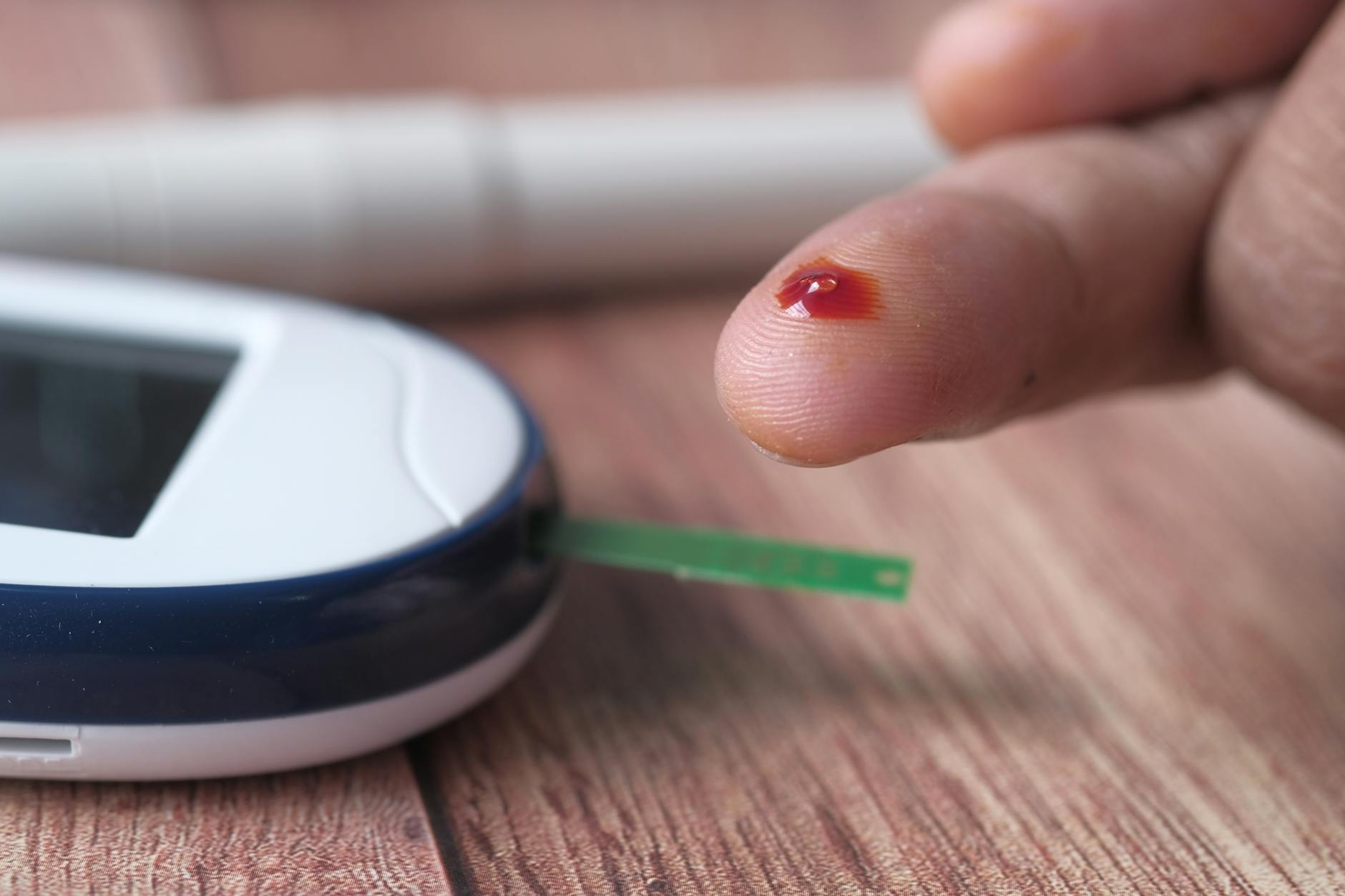
The 5 Biomarkers That Define Metabolic Health
Metabolic health is not a feeling. It is a clinical state, defined by five specific measurements — all within healthy range, simultaneously, without medication. That last condition is non-negotiable: a drug can force a number into range while the underlying dysfunction continues. That is not metabolic health. That is a managed disease.
| Marker | Optimal Range |
|---|---|
| Fasting blood glucose | Below 100 mg/dL |
| Triglycerides | Below 150 mg/dL |
| HDL cholesterol | Above 40 mg/dL (men) / 50 mg/dL (women) |
| Blood pressure | Below 120/80 mmHg |
| Waist circumference | Below 40 in / 102 cm (men) · Below 35 in / 88 cm (women) |
According to the landmark 2019 study by Araújo et al. in Metabolic Syndrome and Related Disorders, only 12.2% of American adults meet all five criteria simultaneously. The research looked at over 8,700 adults — and found that across every age group, body weight category, and socioeconomic bracket, the vast majority fell short on at least one marker.
One correction to a common misconception: body size does not equal metabolic health. A lean person with a normal BMI can have poor blood glucose control, high triglycerides, and elevated insulin. Someone at a higher body weight can be entirely metabolically healthy. The biomarkers are the measure — not the bathroom scale.
The "without medication" qualifier matters more than it sounds. Treating a number into range is not the same as fixing the system. Metabolic health means the body is regulating these markers by itself, which is an entirely different physiological state.

How Glucose and Insulin Actually Work
Every carbohydrate you eat — whether it's a doughnut, a bowl of brown rice, or a banana — breaks down into glucose. That glucose enters the bloodstream as blood sugar, and the body cannot let it stay there. So the pancreas releases insulin, which acts as the signal that unlocks the cell door and lets glucose in to be converted into energy.
That system works beautifully — until we chronically overload it.
When we raise blood sugar at every meal, every day, year after year, the cells start ignoring insulin's signal. This is insulin resistance — the locks start sticking. The pancreas compensates by producing more and more insulin to force glucose through. Blood sugar stays elevated for longer after meals. The liver converts the excess fuel into fat and stores it. The liver itself fills up with fat, becomes insulin resistant, and the dysfunction spreads to the rest of the body.
Here is what most health content misses entirely: insulin resistance is not a disease — it is a reversible adaptation. The NIH defines insulin resistance as a condition in which cells don't respond normally to insulin — and underscores that lifestyle changes can reverse it. The body is doing exactly what it was designed to do when given too much fuel too often. Change the inputs, and the adaptation reverses. This is why type 2 diabetes is almost completely reversible in almost all cases — something the mainstream framing of it as a lifelong condition almost never acknowledges.
What drives insulin resistance in the first place?
- Chronically elevated blood sugar from excess refined carbohydrates
- Fructose overload on the liver (more on this below)
- Chronic sleep deprivation — even one bad week reduces insulin sensitivity by 25%
- Chronic psychological stress and elevated cortisol
- Physical inactivity — muscle is the primary site of glucose clearance
- Gut microbiome disruption, which impairs short-chain fatty acid production

Warning Signs of Poor Metabolic Health
Most people with poor metabolic health feel fine — or misattribute the signals to stress, ageing, or not sleeping well. Here is what metabolic dysfunction actually feels like day to day:
- Energy crashes after meals — that post-lunch fog is your blood sugar spiking and crashing. It is not normal, even though it is extremely common.
- Persistent cravings for sugar or refined carbohydrates, especially within an hour or two of eating
- Difficulty losing weight despite restricting calories — because the problem is insulin, not calories
- Brain fog and poor afternoon concentration
- Sleep problems or sleep apnoea — obesity and insulin resistance are primary drivers of sleep apnoea, and poor sleep worsens the metabolic dysfunction in a vicious cycle
- Frequent urination or unusual thirst — classic early signs of glucose dysregulation
- Skin tags on the neck or torso — a direct external marker of high circulating insulin
- Darkened skin patches around the neck, armpits, or groin (acanthosis nigricans) — visually identifiable insulin resistance
- Abdominal bloating and irregular digestion
- Increasing waist size even without significant weight gain — visceral fat accumulating around the organs
These symptoms often appear years before a standard blood test flags anything. A fasting glucose of 95 mg/dL looks "normal" on paper while insulin resistance has been building for a decade underneath it. Fasting insulin — not fasting glucose — is the earlier, more sensitive signal. Most standard blood panels don't include it. Ask for it specifically.

The Real Cause Nobody Talks About: Fructose
Here is a fact that almost never makes it onto mainstream health lists, and it changes how you understand everything about metabolic health.
Glucose — the sugar from starch and carbohydrates — can be processed by virtually every cell in the body. That makes it hard for any one organ to get overwhelmed. But there are two substances that only the liver can process: alcohol and fructose.
You already know what alcohol does to a liver in excess. Society built regulations around it for exactly that reason — age limits, drink driving laws, health warnings. Fructose operates by nearly the same mechanism, and it is almost entirely unregulated, found in virtually every processed food, and consumed in enormous quantities.
Ordinary table sugar — the white sugar in your coffee, the sugar in salad dressing, the sugar in bread — is 50% glucose and 50% fructose. When you eat 100 grams of sugar, which is roughly what the average person consumes in a day, 50 grams of that is fructose going straight to the liver. Eat more than the liver can process, and it does exactly what it does with alcohol: converts the excess into fat and stores it. This is the origin of non-alcoholic fatty liver disease — now far more common than the alcoholic version.
Once the liver is congested with fat, it becomes insulin resistant. And because the liver is the metabolic hub, that insulin resistance spreads — to the muscle, to the abdominal cavity, to the rest of the body. Fatty liver does not cause insulin resistance as a coincidence; it is mechanistically how most insulin resistance begins.
The "natural sugar" misconception
The body cannot tell the difference between fructose from a can of Coke and fructose from a glass of orange juice. The liver processes them identically. A handful of berries carries a small fructose load that the liver handles easily. Two mangoes, a banana, and a glass of apple juice before noon is a liver load that competes with a modest alcohol intake — and the liver treats it accordingly.
This is not an argument against fruit in general. It is an argument against the popular instruction to "eat more fruits and vegetables." The honest version of that advice is: eat more vegetables, and be strategic about fruit. The vegetables — especially non-starchy ones — carry almost no fructose and are actively good for the liver. The fruit is contextual, depending on your current metabolic state.
Sugar is probably more dangerous than alcohol for one specific reason: with alcohol, you know when you have had too much. With sugar — especially fructose — there is no satiety signal, no legal limit, and the food industry has spent decades engineering products that make it impossible to feel full from it.

Metabolic Syndrome vs. Metabolic Health: What's the Difference?
These terms are often used interchangeably. They should not be.
Metabolic health is the optimal state — all five biomarkers within healthy range, no medication required, the body regulating itself as designed.
Metabolic syndrome is the clinical diagnosis given when three or more of the five markers fall outside healthy range simultaneously. It is a recognised precursor to type 2 diabetes, cardiovascular disease, non-alcoholic fatty liver disease, and several cancers.
Most people sit somewhere in the middle — not sick enough to be diagnosed with metabolic syndrome, but far from metabolically healthy. That is the dangerous grey zone, because in that zone the dysfunction is accumulating silently. Lab values look "fine." Symptoms feel like ordinary tiredness. And the damage continues unchecked.
Think of it as a spectrum: optimal metabolic health → subclinical dysfunction → metabolic syndrome → type 2 diabetes. The whole spectrum is driven by the same underlying mechanism — insulin resistance — and the whole spectrum is addressable by handling the root cause. That is the part that almost never gets communicated clearly.
Why Metabolic Health Is the Foundation of Almost Everything
Poor metabolic health is not just a risk factor for other diseases. It is the mechanism driving most of the chronic conditions that dominate modern healthcare:
- Cardiovascular disease: Insulin resistance drives both inflammation and oxidative stress in blood vessel walls — the two mechanisms that initiate atherosclerosis, arterial stiffening, and blood clot formation. This is why cardiovascular disease kills 18 million people a year globally, twice as many as cancer.
- Type 2 diabetes: Advanced insulin resistance. The body has been fighting its own fuel overload for so long that the compensatory mechanisms have broken down.
- Non-alcoholic fatty liver disease: Directly caused by fructose and alcohol overloading the liver's capacity to process them.
- PCOS: Strongly linked to insulin resistance in women — often the underlying driver, not just a comorbidity.
- Alzheimer's disease: Increasingly referred to as "type 3 diabetes" in research literature. The brain becomes insulin resistant and loses the ability to efficiently use glucose for fuel.
- Several cancers: Cancer cells are preferential glucose consumers. Chronically elevated blood sugar creates a more permissive growth environment.
When metabolic health is good, almost everything else improves — energy, mood, sleep quality, body composition, hormonal balance, immune function, and cognitive performance. It is the foundation, not a subcategory.
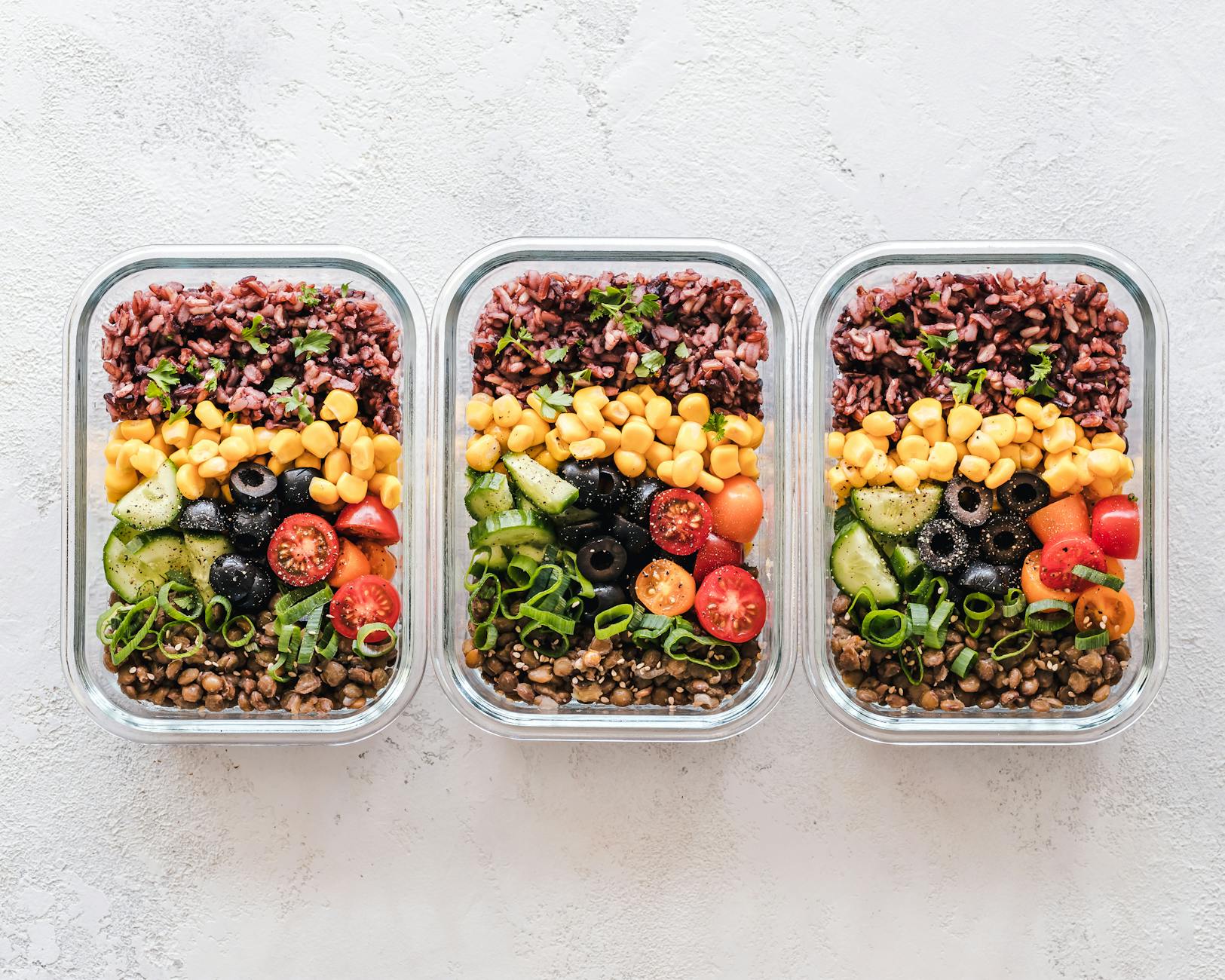
How to Improve Your Metabolic Health
1. Diet: Remove the Bottlenecks First
The most important dietary change is not what you add — it is what you stop putting through the liver bottleneck. Start there.
Remove first:
- Added sugar and fructose — sodas, juices, sweetened coffees, packaged snacks. This is the highest-leverage single dietary change available. The fructose load is what congests the liver and drives insulin resistance upstream of everything else.
- Industrial seed oils — soybean oil, canola oil, corn oil. These are not bad because they're from plants. They're bad because extracting oil from seeds requires solvents, intense heat, bleaching, and deodorising — processes that leave an oxidised, highly inflammatory product. The reason to avoid fried food is not the calories or the fat; it is the quality of the oil. If you fry something in lard or coconut oil at home, that is an entirely different situation.
- Ultra-processed foods — engineered with seed oils, sugar, and chemical flavour systems designed to override satiety signals. Seventy-three percent of the calories consumed in the United States come from these products.
- Refined starches — white bread, crackers, breakfast cereals. These are 100% glucose with the fibre stripped out, absorbed almost as fast as sugar.
Build the diet around:
- Protein at every meal — 0.7–1g per pound of lean body weight. Protein barely raises insulin, is the most satiating macronutrient, and preserves the muscle tissue that is your primary metabolic engine.
- Non-starchy vegetables first — eating fibre and protein before carbohydrates blunts the post-meal glucose spike by up to 73%. That's not a supplement. That's just meal sequencing.
- Quality fats — eggs, meat, extra virgin olive oil, avocado. These are stable, non-inflammatory, and do not raise insulin. The fear of saturated fat in these foods is one of the more persistent and well-disproven myths in nutrition science.
A word on whole grains — because they appear on every politically correct food list regardless of the health topic. The honest question is always: better than what? They are better than white bread and sugar. That is a low bar. Most whole grains are still primarily glucose, still stimulate insulin, and still contribute to the very cycle you are trying to interrupt. Context-dependent — fine if you are metabolically healthy and tolerant. Not a recovery tool.

2. Exercise: The Most Powerful Non-Drug Intervention
Exercise is the most potent non-pharmacological intervention for insulin resistance. Muscle contraction pushes glucose into cells through a pathway that is completely independent of insulin — meaning a 10-minute walk after dinner can lower blood glucose by 30–50 mg/dL before insulin even gets involved.
Two types of exercise both matter, and neglecting either is leaving significant metabolic gains on the table:
- Zone 2 cardio — low-intensity aerobic exercise at 60–70% of maximum heart rate (the pace where you can hold a full conversation). This builds mitochondrial density and trains the body to burn fat efficiently as a primary fuel. Target: 150–180 minutes per week. This is the most underrated metabolic intervention in existence, and it costs nothing.
- Resistance training — 2–3 sessions per week. Skeletal muscle is the body's primary metabolic sink for blood glucose. More muscle means more capacity to clear glucose from the bloodstream. You cannot out-walk a sedentary, muscle-poor physique.
One practical note: if you do nothing else, add a 10-minute walk after each meal. That single habit, done consistently, will move your post-meal glucose numbers in measurable ways within days.

3. Sleep: The Metabolic Lever Most People Ignore
Sleep is arguably the most underrated metabolic intervention available — and the most commonly sacrificed.
One week of sleeping fewer than 6 hours per night produces insulin resistance equivalent to six months on a high-fat diet. A single night of 4–5 hours reduces insulin sensitivity by up to 25% the next day. The mechanisms are direct: poor sleep elevates cortisol (which raises blood glucose), disrupts leptin and ghrelin (the hormones that control hunger and satiety), and impairs the liver's overnight glucose regulation.
The practical targets are 7–9 hours in a cool (65–68°F), fully dark room. Consistency of timing matters as much as total hours — irregular sleep schedules disrupt the circadian rhythm in ways that impair glucose metabolism independently of how long you slept. The body regulates blood sugar differently at different times of day, and disrupting that clock carries a real metabolic cost.
4. Stress Management: A Direct Biochemical Pathway
This is not a soft recommendation. Chronic psychological stress raises cortisol. Chronically elevated cortisol raises blood glucose (the body's "prepare for danger" signal), promotes visceral fat storage specifically around the organs, and over time produces insulin resistance — even in people with otherwise good diets and exercise habits.
Managing stress is metabolic medicine. Evidence-based approaches:
- 10 minutes of daily diaphragmatic breathing or structured mindfulness — consistently shown to reduce cortisol in controlled studies
- Social connection — loneliness measurably elevates cortisol and inflammatory markers
- Time outdoors in natural light — reduces cortisol and supports circadian rhythm
- Removing or restructuring the source where possible — stress management that does not address the stressor has limited ceiling

Your Gut Microbiome and Metabolic Health
The gut microbiome — roughly 38 trillion bacteria living in your digestive tract — has a direct, bidirectional relationship with metabolic health. This connection is one of the most active areas of current metabolic research, and the signal is clear.
Certain gut bacteria ferment dietary fibre into short-chain fatty acids (SCFAs) — butyrate, propionate, and acetate. These molecules improve insulin sensitivity, reduce systemic inflammation, strengthen the gut lining, and regulate appetite hormones. A disrupted microbiome produces fewer SCFAs, more inflammatory metabolites, and actively contributes to the insulin resistance cycle.
The most metabolically favourable microbiome is built through diet:
- High dietary fibre — 30+ grams per day from vegetables, legumes, and intact whole foods feeds the SCFA-producing bacteria that most support metabolic function
- Fermented foods — yogurt, kefir, sauerkraut, kimchi add live bacterial diversity shown in trials to improve glucose variability
- Polyphenol-rich foods — berries, extra virgin olive oil, dark chocolate, green tea selectively feed beneficial bacterial strains
Probiotic supplements can help — specific strains including Lactobacillus acidophilus, Bifidobacterium longum, and Akkermansia muciniphila have shown improvements in fasting glucose and insulin sensitivity in randomised trials. But the hierarchy is clear: fix the diet first, then consider targeted probiotics. A probiotic cannot survive, let alone thrive, in a gut fed primarily on ultra-processed food and sugar.

How to Test and Track Your Metabolic Health
The only way to know your metabolic status with certainty is to measure it. Here is what to request, and why each one matters:
The essential lab panel
- Fasting metabolic panel — covers four of the five core markers (fasting glucose, triglycerides, HDL cholesterol, blood pressure) in a single blood draw
- HbA1c — reflects your 3-month average blood glucose. Optimal: below 5.4%. Prediabetic range: 5.7–6.4%. Many people discover they are prediabetic for the first time on this test.
- Fasting insulin — the most sensitive early signal of insulin resistance, rising years before fasting glucose does. Optimal: below 5–7 µIU/mL. Above 10 suggests significant resistance is already present. Most standard panels do not include this. Ask for it specifically.
- HOMA-IR — calculated from fasting glucose + fasting insulin. A quantified score for insulin resistance. Optimal: below 1.5.
- Advanced lipid panel (NMR) — measures LDL particle number and size, which predicts cardiovascular risk far more accurately than standard LDL cholesterol. A person can have normal LDL and have very high-risk particle characteristics.
Beyond the lab: continuous glucose monitoring
A 14-day continuous glucose monitor (CGM) session gives you something a blood test cannot: your real-world glucose response to your specific foods, in your actual life. You can see which meals spike you, how long you stay elevated, what a bad night of sleep does to your next morning's fasting glucose, and how much a post-meal walk actually changes the curve.
Platforms like Levels Health pair CGM hardware with interpretation software that shows you the patterns rather than raw numbers. Even a single 2-week session tends to be the turning point for lasting dietary change — because it turns abstract concepts into immediate, visible, personal feedback.
Reversing vs. Maintaining: Why Context Changes Everything
Here is a distinction that almost no health content addresses clearly — and it is responsible for enormous amounts of confusion and frustration.
Someone who is fully metabolically healthy can eat some rice, some fruit, even some bread occasionally, and be completely fine. Their system processes and clears the glucose load without lasting consequences. When that person says "I eat rice every day and I feel great" — they are probably telling the truth.
But that anecdote tells you nothing about what someone with an existing fatty liver, elevated fasting insulin, or pre-diabetes needs to do.
If you are already insulin resistant, you are not maintaining health — you are trying to undo damage. And the dose of intervention required to reverse a condition is always much higher than the dose required to maintain health. That is not a nuance. It is a fundamental principle that changes what "good enough" looks like.
Reversing metabolic dysfunction requires strict reduction of the inputs driving it — primarily fructose, refined starches, and seed oils — for long enough that the liver clears, insulin sensitivity recovers, and the body's set point shifts. Maintaining health after recovery is more flexible. Treating both situations as requiring the same level of dietary precision is one of the most common reasons people fail to improve.
The good news: measurable improvements appear fast. Most people see meaningful changes in energy, glucose control, and waist circumference within 2–4 weeks of consistently removing the primary drivers. The body responds quickly when the inputs actually change.
Frequently Asked Questions
Metabolic health is the optimal state — all five biomarkers (blood glucose, triglycerides, HDL, blood pressure, waist circumference) within healthy range without medication. Metabolic syndrome is the clinical diagnosis given when three or more of those same five markers fall outside healthy range simultaneously. They sit at opposite ends of the same spectrum, driven by the same underlying mechanism: insulin resistance.
Yes — and this is one of the most important corrections to the mainstream framing of metabolic health. A person at a higher body weight can have all five biomarkers in healthy range and be genuinely metabolically healthy. A lean person can have poor blood glucose control, elevated triglycerides, and high blood pressure. Body size and metabolic health are related but they are not the same thing. The biomarkers are the measure, not how someone looks.
The only reliable way to know is to measure the five markers. Ask your doctor for a fasting metabolic panel, fasting insulin, and HbA1c at your next visit. Fasting insulin in particular is the most sensitive early signal — it rises years before fasting glucose does, and most standard panels don't include it, so you have to request it. Day-to-day warning signs — energy crashes after meals, persistent carbohydrate cravings, brain fog, poor sleep, increasing waist size — often appear well before any lab value shifts out of the "normal" range.
No single marker tells the full story — all five work together and all five need to be in range simultaneously. That said, fasting insulin is arguably the earliest and most sensitive signal of emerging dysfunction. Insulin begins rising years before fasting glucose does, which means it catches problems at the stage when they are most reversible. Most doctors don't order it automatically. Ask for it specifically at your next blood panel.
Faster than most people expect. Measurable improvements in energy, post-meal glucose, and early marker shifts typically appear within 2–4 weeks of consistently reducing fructose and refined carbohydrates. HbA1c (which reflects a 3-month average) takes longer to show change. Insulin sensitivity improves rapidly with consistent Zone 2 exercise — sometimes visibly within 2 weeks of daily walking. Sleep improvements show metabolic effects within days. The body adapts quickly when the inputs change.
Fruit is not categorically bad — but the popular instruction to "eat more fruit" is not metabolically sound advice for everyone. The body cannot tell the difference between fructose from fruit and fructose from a soft drink — the liver processes it identically. For someone who is metabolically healthy, some fruit is fine. For someone with insulin resistance, fatty liver, or pre-diabetes, fruit needs to be kept to a minimum — primarily low-fructose options like berries — until metabolic function is restored. The better instruction is: eat more vegetables, and be strategic about fruit.
Remove the one substance that only the liver can process: fructose. That means cutting added sugar, eliminating sugary drinks (including juice), and being honest about fruit intake if your metabolic health is already compromised. Then add a 10-minute walk after dinner tonight. Those two changes, consistently applied, will move every one of the five markers in the right direction — and they cost nothing.