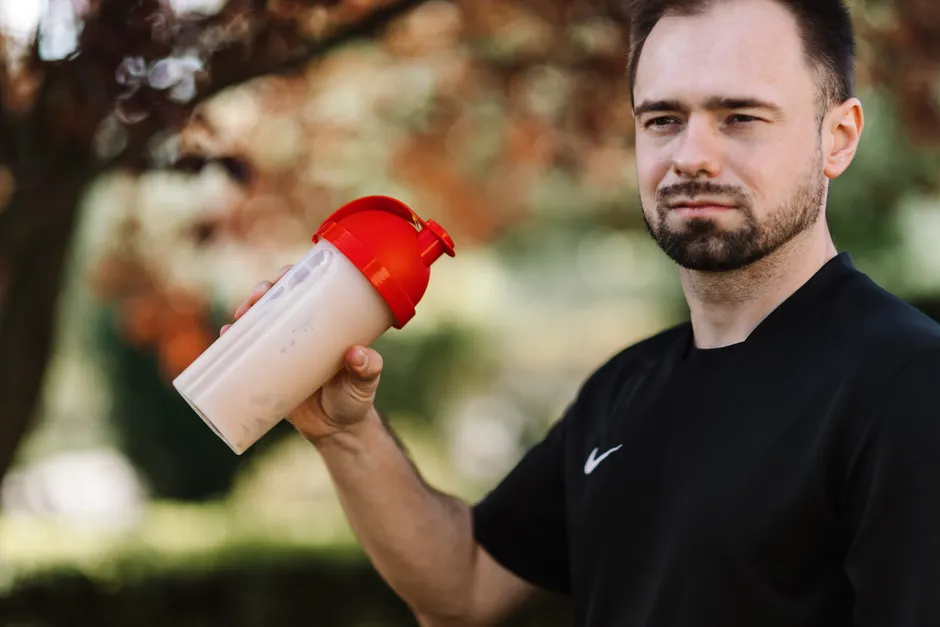
The best protein shakes for GLP-1 users are whey protein isolates delivering 25–30g of protein with at least 2.5g of leucine per serving. Top picks: Optimum Nutrition Gold Standard 100% Isolate and Dymatize ISO100 for whey; Garden of Life Sport for plant-based; Premier Protein RTD for convenience. Target 1.6–2.2g of protein per kg of body weight daily to prevent the lean mass loss that affects up to 40% of total weight lost on GLP-1 without adequate protein.
Here is the number no GLP-1 prescriber puts in the welcome pack: in clinical trials without structured nutrition support, roughly 25–40% of total weight lost on semaglutide and tirzepatide is lean tissue — muscle, bone mineral, and organ mass. Not fat. You are, in a meaningful sense, becoming a smaller version of yourself rather than a leaner one. The scale reads lower. The metabolic picture is worse.
The mainstream framing around GLP-1 drugs is relentlessly positive and frustratingly incomplete. Suppress appetite. Eat less. Lose weight. That sequence is accurate. But it stops at the point where the biology gets complicated. What you lose matters as much as how much you lose. Losing 15 kilograms of fat is a fundamentally different metabolic outcome from losing 9 kilograms of fat and 6 kilograms of muscle. One of those outcomes improves insulin sensitivity, preserves metabolic rate, and extends long-term weight maintenance. The other undermines all three.
The mechanism is not mysterious. GLP-1 receptor agonists reduce total caloric intake by 30–40% by slowing gastric emptying and signalling satiety centrally. When total calories fall, protein intake falls proportionally — unless you actively replace it. When protein falls below roughly 1.2g per kilogram of body weight per day, the body's protein balance tips negative. Muscle is broken down faster than it is synthesised. That process is called catabolism, and GLP-1's sustained appetite suppression is one of the most efficient triggers for it in clinical practice.
The fix is not complicated. It is specific. It involves protein — the right amount, the right type, at the right time. Protein shakes are the practical mechanism that makes it achievable when appetite is suppressed and food feels impossible. Here is what the evidence actually supports. We cover the full supplement picture for GLP-1 users in our complete GLP-1 supplement guide — this article focuses on protein specifically.
If you want to protect your muscle on GLP-1 and meet your protein target without cooking, a high-quality whey isolate is the most practical tool available. 25g of complete protein per serving, multiple flavours, and over 8,000 five-star ratings:

Why GLP-1 Users Have a Higher Protein Demand, Not Lower
The intuition most people have is backwards. You're eating less. Surely you need less of everything, including protein? That logic works if your body is scaling down uniformly — if every tissue, every metabolic function, every repair process reduces in proportion. It doesn't.
When you are in a sustained caloric deficit — which every GLP-1 user is — your body's demand for protein to preserve lean tissue actually increases relative to your caloric intake. The reason: protein is the signal that tells the body not to dismantle muscle for fuel. Without a strong enough protein signal, a caloric deficit is interpreted by the body as a famine, and muscle is sacrificed to keep vital organs running. GLP-1 creates the caloric deficit. You have to provide the protein signal.
According to the International Society of Sports Nutrition's protein position stand, protein intakes above 1.6g per kilogram of body weight per day are necessary for lean mass preservation during caloric restriction. That's the baseline. For GLP-1 users over 50, who experience greater muscle protein synthesis resistance, the target climbs to 2.0–2.2g/kg. For a 75kg person, that is 120–165g of protein per day — from a diet providing 30–40% fewer calories than before.
The math is structurally impossible without supplementation for most people. If you were eating 2,000 calories per day before GLP-1 and that included 80g of protein, you're now eating roughly 1,300 calories. Even if every single gram of protein survived the caloric reduction, you'd still be at 80g — far below the 120g minimum. In practice, the protein is the first thing to go because it requires deliberate planning, and GLP-1's appetite suppression removes the drive to plan. Our Metabolic Health hub covers why this distinction between fat loss and lean mass loss has such large downstream effects on long-term metabolic rate.

The Leucine Signal — Why Protein Quality Matters More Than Quantity on GLP-1
Not all protein is equally useful for muscle preservation. The specific trigger for muscle protein synthesis is leucine — an essential amino acid that acts as the molecular signal activating the mTORC1 pathway, which switches on the cellular machinery that builds and repairs muscle protein. You need approximately 2.5–3g of leucine per meal to generate a meaningful muscle protein synthesis response.
This is where protein source selection becomes mechanistically important — not just nutritionally important. Different protein sources deliver different leucine concentrations per gram of total protein. Whey protein isolate contains roughly 10–12% leucine by weight: a 25g scoop delivers approximately 2.7–3g of leucine, clearing the threshold in a single serving. According to Stokes et al. 2018, whey protein stimulates muscle protein synthesis at a meaningfully greater rate per gram than most plant sources due to this leucine content and its rapid digestion kinetics.
Pea protein contains roughly 6–8% leucine. A 25g serving delivers 1.5–2g of leucine — below the threshold. This is not a disqualifying flaw in plant protein. It is a dosing instruction. At 35–40g of pea and rice protein per serving, you clear the leucine threshold. The muscle protein synthesis stimulus is equivalent to whey — you just need more of it per serving.
The leucine threshold is the key variable in selecting a protein shake on GLP-1. It is not about the total grams of protein on the label. It is about whether each serving delivers ≥2.5g of leucine. For whey isolate: 25g per serving achieves this. For plant protein: 35g per serving achieves this. Below these thresholds, you are stimulating some muscle protein synthesis — but not enough to offset the catabolism that GLP-1's appetite suppression induces.

Best Whey Protein Shakes for GLP-1 Users
Whey protein isolate is the first-choice protein source for GLP-1 users who tolerate dairy. It is rapidly absorbed — peak plasma amino acids within 60–90 minutes of ingestion — it has the highest leucine content of any complete protein source, and it delivers 25–27g of protein per scoop with less than 2g of fat and carbohydrate. In a context where total food volume is severely reduced, this caloric efficiency matters.
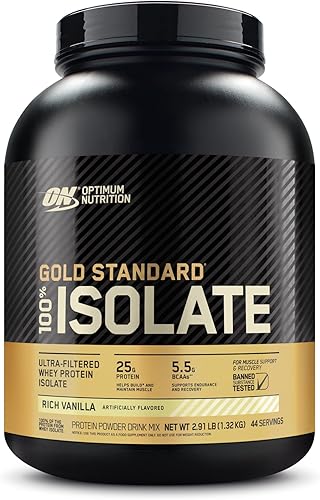
Optimum Nutrition Gold Standard 100% Whey Isolate ✓ Best Overall
The most widely used whey isolate in clinical nutrition research. Each scoop delivers 25g protein from hydrolyzed and ultra-filtered whey protein isolate — meaning the protein is pre-processed for faster absorption, and the lactose and fat content are virtually eliminated. Leucine content: approximately 2.7g per scoop. Multiple flavors, clean ingredient list, mixes well in cold water without a blender. This is the benchmark for what a whey isolate should be.
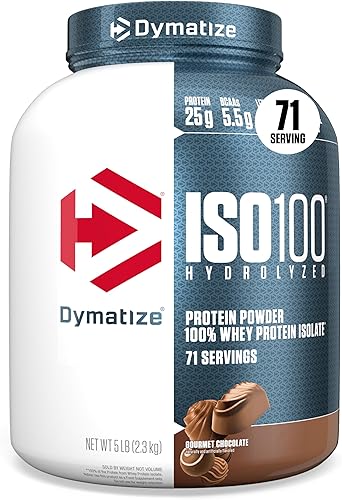
Dymatize ISO100 Hydrolyzed Whey Isolate ✓ Fastest Absorption
Dymatize ISO100 is a hydrolyzed whey protein isolate — the protein chains are enzymatically pre-broken, reducing gastric digestion time and making it the fastest-absorbing complete protein available. For GLP-1 users with delayed gastric emptying (already a feature of the drug's mechanism), this is a meaningful practical advantage. 25g protein, 5.5g BCAAs, less than 120 calories, gluten-free. The Gourmet Chocolate 5lb is the highest-reviewed variant with a loyal following from athletes who care about muscle retention during cuts.
Timing Consideration on GLP-1 Practical Note
GLP-1 slows gastric emptying — protein shakes linger in the stomach longer than usual. Taking a shake too close to a planned meal results in compounding fullness. The practical rule: use a protein shake as a meal, not a supplement. First thing in the morning or within 45 minutes post-resistance exercise are the two slots where it works best without disrupting appetite.
If you want the fastest-absorbing whey isolate on the market — pre-digested through hydrolysis, 25g protein, under 120 calories, with over 10,000 five-star reviews — Dymatize ISO100 is the pick:

Best Plant-Based Protein Powders for GLP-1 Users
A lot of people assume plant protein is categorically inferior for muscle preservation. That assumption was never quite right, and it has become less defensible as research has accumulated. The difference is not in the protein's ceiling — it is in the required serving size to reach that ceiling.
Pea protein (yellow split pea) is the best single plant protein source for GLP-1 users. It has a favourable amino acid profile, is rich in arginine, and is gentle on a nausea-sensitive digestive system. Paired with rice protein in a 70:30 ratio, the combined profile closely matches whey's essential amino acid distribution. The critical variable is the dose: 35–40g of pea-rice blend per serving to hit the leucine threshold that drives muscle protein synthesis. At that dose, the muscle preservation signal is equivalent.
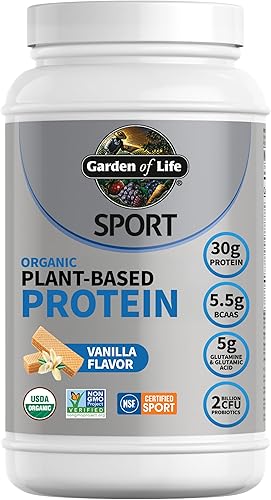
Garden of Life Sport Organic Plant-Based Protein ✓ Best Plant Pick
30g of organic plant protein per serving from a blend of organic peas, navy beans, lentils, and garbanzo beans, certified by NSF for Sport. Each serving delivers probiotics and digestive enzymes — a practical benefit for GLP-1 users already experiencing digestive motility changes. Certified organic, non-GMO, gluten-free. At 30g protein per serving it sits at the lower end of the leucine-sufficient range — add a half-scoop (15g) on resistance training days to ensure you're clearing the threshold.
Who Should Choose Plant Protein Selection Guide
Plant protein is the right choice if you are lactose intolerant, have dairy sensitivity, experience nausea specifically from whey protein (uncommon but real), or prefer a product aligned with plant-based dietary values. If you tolerate dairy without issues, whey isolate has a modest practical edge due to higher leucine density per gram. Neither is wrong. Both preserve muscle when dosed correctly.
If dairy doesn't agree with you or you prefer plant-based, 30g of protein per serving with NSF Certified for Sport verification is a genuinely hard combination to beat. Here's the version we'd recommend:

Best Ready-to-Drink Protein Shakes for GLP-1 — For the Nausea Phase
During the first 8–16 weeks of GLP-1 therapy — the titration phase — nausea affects a significant proportion of users. The idea of measuring protein powder, adding it to a blender, and drinking a thick shake is genuinely unappealing when nausea is present. This is precisely the period when protein intake is most at risk, and when lean mass loss begins to accelerate.
Ready-to-drink (RTD) shakes solve the practical problem. Pre-chilled from the fridge, no preparation, no smell from blending, small enough to sip over 20–30 minutes rather than consuming all at once. For the nausea phase specifically, RTD shakes are the format most likely to actually be consumed.
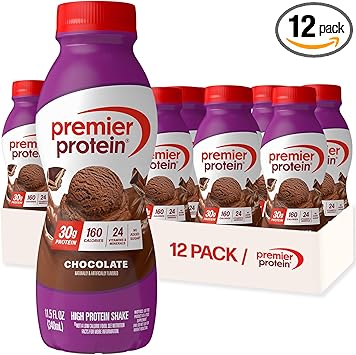
Premier Protein is the category benchmark: 30g of protein per 11.5 fl oz carton, no added sugar, 24 vitamins and minerals, 160 calories. It is widely available, refrigerated or shelf-stable, and covers a meaningful fraction of daily protein requirements in a format that tolerates nausea better than most alternatives. I keep a case on hand for the days when appetite drops so low that real food feels impossible. Not because it replaces food — because it bridges the gap until food is possible again.
If nausea is making shakes impossible to blend and prep — Premier Protein RTDs are the easiest way to get 30g of protein into a two-minute routine. Pre-made, shelf-stable, and the most-rated protein shake on Amazon:

How to Use Protein Shakes on GLP-1 — The Practical Protocol
The practical side of protein supplementation on GLP-1 requires adjusting the default rules most people follow. Standard sports nutrition advice assumes a normal appetite and the ability to eat large protein-rich meals. GLP-1 users have neither. The protocol needs to be adjusted accordingly.
Rule 1: Replace Meals, Don't Add to Them
GLP-1 slows gastric emptying. A protein shake added to a meal creates compounding fullness and often triggers nausea. The more effective approach: use a protein shake as a complete meal replacement for the slot where appetite is lowest — typically breakfast or the first meal of the day. This delivers 25–30g of protein without competing with food intake later.
Rule 2: Prioritise the Post-Exercise Window
The 30–60 minute window after resistance exercise is when muscle protein synthesis is most responsive to leucine. A whey protein shake in this window — even a partial serving of 15–20g — provides the leucine signal at the moment it has the greatest anabolic impact. Pair this with your creatine dose (see our dedicated guide to creatine on GLP-1, plus the full GLP-1 supplement stack) for maximum muscle preservation.
Rule 3: Spread Protein Across the Day
Muscle protein synthesis is triggered per meal, not per day total. Three meals each delivering 30–40g of protein generates a stronger cumulative anabolic stimulus than one meal with 90g and two with 15g each. Use protein shakes to fill the gaps where solid food falls short. The target is 30g+ per eating occasion, spread across 3–4 occasions per day — achieving 90–120g minimum.
Rule 4: Resistance Exercise is Non-Negotiable
Protein alone does not preserve muscle — it provides the raw material. Resistance exercise provides the signal that tells the body the muscle is needed. Without mechanical loading, even optimal protein intake has diminished muscle preservation effects during caloric restriction. Two to three resistance training sessions per week, even at low-to-moderate intensity, dramatically improve the protein signal's effectiveness. The GLP-1 weight loss timeline shows that users with structured exercise preserve significantly more lean mass across all phases of treatment.
Best Protein Shakes for GLP-1 Users: Full Comparison
The table below summarises every protein product covered in this article — with protein per serving, leucine threshold status, and affiliate link. All prices are approximate and reflect Amazon pricing at time of publication.
| Product | Type | Protein/Serving | Best For | Rating | Buy |
|---|---|---|---|---|---|
| ON Gold Standard 100% Whey Isolate | Whey isolate | 25g · ~2.7g leucine | Best overall | ★★★★½ 4.6 | Amazon → |
| Dymatize ISO100 Hydrolyzed | Whey hydrolysate/isolate | 25g · ~2.7g leucine | Fastest absorption | ★★★★½ 4.7 | Amazon → |
| Garden of Life Sport Organic | Plant (pea, bean, lentil) | 30g · ~2.1g leucine | Dairy-free / plant-based | ★★★★½ 4.5 | Amazon → |
| Premier Protein RTD Shake | Ready-to-drink whey blend | 30g · ~3.0g leucine | Nausea phase / convenience | ★★★★½ 4.7 | Amazon → |
For the full picture of what to take alongside these protein shakes — including creatine, magnesium, vitamin D3+K2, and electrolytes — see our evidence-based overview of the best metabolic health supplements on WiseGoodness.
Frequently Asked Questions
The best protein shake for GLP-1 users is a whey protein isolate providing 25–30g of protein with at least 2.5g of leucine per serving. Optimum Nutrition Gold Standard 100% Isolate and Dymatize ISO100 are the most evidence-aligned options. For dairy-free users, Garden of Life Sport organic plant protein at 30g per serving is the top plant-based pick. For the nausea phase, Premier Protein RTD (30g, no added sugar) is the most practical format.
GLP-1 users should target 1.6–2.2 grams of protein per kilogram of body weight daily to prevent lean muscle loss. For a 75kg adult, that is 120–165g per day. This range is significantly higher than the standard RDA of 0.8g/kg because caloric restriction increases the body's protein requirements for lean mass preservation. Most GLP-1 users eating 30–40% less food fall to 50–70g per day without deliberate supplementation.
Yes — the nausea phase (typically weeks 4–16 during titration) is precisely when protein shakes become most important. Solid protein foods are harder to tolerate during nausea, and appetite-driven eating choices during this phase are typically low in protein. Ready-to-drink shakes like Premier Protein are easier to tolerate: pre-chilled, no blending smell, can be sipped slowly in small volumes. Start with half a serving (about 6 fl oz) and build up.
Whey protein isolate has a modest evidence advantage due to higher leucine content and faster absorption. However, a pea and rice protein blend at 35g per serving provides an equivalent complete amino acid profile and produces comparable muscle protein synthesis rates. The practical conclusion: if you tolerate dairy, choose whey isolate. If you are dairy-sensitive or prefer plant-based, a well-dosed plant blend is a fully adequate substitute — dose is the variable, not source.
The two optimal windows are: (1) within 30–60 minutes after resistance exercise, when muscle protein synthesis is most responsive to leucine; and (2) first thing in the morning as a meal replacement, when appetite is lowest and protein intake most at risk. Never add a protein shake to a meal — GLP-1 slows gastric emptying, and compounding a shake with a meal creates significant fullness and nausea. Treat it as a meal, not an addition to one.
GLP-1-associated hair loss is primarily telogen effluvium — a physiological response to rapid weight loss rather than a direct protein deficiency. However, inadequate protein significantly worsens and prolongs it, as hair follicles are among the first tissues to be sacrificed during catabolism. Maintaining protein above 1.6g/kg per day, ensuring adequate zinc intake, and avoiding excessively rapid weight loss (greater than 1–1.5% of body weight per week) are the three most evidence-supported interventions.
For muscle preservation outcomes, RTD shakes and powder are equivalent when matched for protein quantity and leucine content. The meaningful differences are cost (RTD costs more per gram of protein), flavour variety, and convenience. During the GLP-1 nausea phase, RTD shakes have a clear practical advantage: no preparation, no blending smell, pre-portioned. Long-term, powder is more economical and flexible. Many users keep both on hand — powder for the normal routine, RTD for difficult appetite days.


