Health
Tech
Wearables, continuous glucose monitors, and GLP-1 access — reviewed against the accuracy data, not the marketing deck. What the device actually measures, how well, and whether it's worth your money.

The health tech industry would love you to believe its devices measure your body with clinical precision. The accuracy data tells a more interesting story. Optical heart rate sensors are genuinely good at rest — mean error under 10% in validation studies[1] — but they degrade during intense exercise; and while earlier reports raised concerns about darker skin, a 2020 study across a range of skin tones found accuracy varied mainly by activity, not skin colour.[2] A wearable is better than no data. Better than no data is not the same as accurate, is it?
This hub reviews the devices that matter — wrist and ring wearables, continuous glucose monitors, and the technology around GLP-1 access — on the only thing that counts: what each one actually measures, how reliably, and whether the number you're paying for changes anything you'd do. We're not anti-gadget. We use these devices. We just don't pretend a sleep score from an algorithm is the same as a sleep lab.
Below: the wearable comparisons and the finder tool to match a device to your goal, the CGM landscape now that monitors are over-the-counter, and an honest, safety-first look at GLP-1 access — including the grey-market routes we explicitly recommend against.
WiseGoodness · health tech map
Which Health Device Fits Your Goal?
Match your priority to the right device or section. The decider is the spec that actually settles the choice.
Decider: Multi-day battery + comfortable overnight wear — the ring wins for sleep, the watch for active features.
Decider: 3-year total cost — WHOOP's subscription ($959) vs the watch's one-time price ($249).
Decider: GPS + training-metric depth — Garmin for data depth, Fitbit for simplicity and value.
Decider: 6 questions map your priorities across 10 metrics to one of 5 devices.
Decider: OTC since 2024 — but no proven outcome benefit in non-diabetics. Awareness, not treatment.
Decider: Legitimate route (telehealth, manufacturer program, insurance) vs the grey market we advise against.
Wearables & Fitness Trackers
The wearable market is built on a clever sleight of hand: it sells you precision while delivering trends. That's not a scam — trends are genuinely useful — but it's worth knowing which is which. Optical heart rate sensors (the green lights on the back of your watch or ring) are accurate at rest and during steady-state activity, with validation studies showing mean absolute percentage error under 10%.[1] During interval training, where the wrist moves abruptly, accuracy falls. And while earlier reports raised concerns that the green-light technology reads less accurately on darker skin, a 2020 study across a range of skin tones found accuracy varied mainly by activity, not skin colour.[2] These are not reasons to avoid wearables — they're reasons to interpret the numbers correctly.
The real decision between devices is rarely about which sensor is "best." It's about which trade-off matches your life: a ring for unobtrusive 24/7 sleep tracking, a full smartwatch for active features and notifications, or a dedicated training watch for GPS depth. And critically, the true cost isn't the sticker price — it's the three-year cost including subscriptions, which is where devices like WHOOP and the Apple Watch diverge dramatically. Our comparisons run that math so you don't get surprised at month 13.
- → Oura Ring vs Apple Watch: Which Wearable Matches Your Goals? — sleep, HRV accuracy, women's health, battery, and real 24-month cost
- → WHOOP vs Apple Watch: Which Fitness Wearable Improves Your Health? — recovery scoring, sleep coaching, and the $959 vs $249 three-year cost gap
- → Fitbit vs Garmin: Which Fitness Tracker Is Worth It in 2026? — GPS accuracy, sleep tracking, battery, and long-term health metrics
Find the Right Wearable for You
The hardest part of buying a wearable isn't the money — it's that every device is marketed as the best one for everyone, which is statistically impossible. The right device depends on what you'll actually use: do you care most about sleep, recovery, GPS training data, women's health metrics, battery life, or smartwatch features? Ranking those priorities is the whole decision, and it's different for every person. A serious marathoner and someone tracking perimenopausal sleep disruption should not buy the same device, even though the marketing aims both at the same checkout page.
The Health Wearable Finder asks six questions, weights your answers across ten metrics, and matches you to one of five devices — Oura Ring, WHOOP, Apple Watch, Garmin Fenix, or Fitbit Sense — with a full spec comparison so you can see why. It's the fastest way to skip the review-reading and get to a shortlist that fits your actual priorities.
- → Health Wearable Finder — 6 questions, 10 metrics, 5 devices, with a full spec comparison table
Continuous Glucose Monitors (CGMs)
Continuous glucose monitoring used to require a diabetes diagnosis and a prescription. That changed in March 2024, when the FDA cleared Dexcom's Stelo as the first over-the-counter glucose biosensor, followed by Abbott's Lingo.[3] A small sensor on your arm now streams real-time glucose data to your phone, showing how a particular meal, a stressful meeting, or a poor night's sleep moves your blood sugar. For people with diabetes or prediabetes, this is genuinely valuable, clinically supported technology.
For metabolically healthy people, the picture is more honest than the marketing suggests. There is currently no strong evidence that CGM use improves health outcomes in non-diabetics. The data can build awareness — and awareness can motivate better choices — but a glucose spike after eating is a normal physiological response, not a problem to be eliminated. For some users, watching every fluctuation creates anxiety rather than insight. A CGM is a measurement tool, not a treatment. If you're curious about your metabolic response and willing to interpret the data calmly, it can be informative. Just don't expect a sensor to do what a sustained change in diet and activity does. You can't fix a poisoned lake by buying a better water-quality meter.
- → In-depth CGM-for-non-diabetics reviews (Stelo, Lingo, Levels) are in development. Subscribe below to be notified.
- → Related: Metabolic Health Test — what blood markers matter — from the Metabolic Health hub
GLP-1 Access, Cost & Safety
GLP-1 medications are the most in-demand metabolic drugs in a generation, and demand at those prices has created an entire ecosystem around access — some of it legitimate, some of it genuinely risky. Wegovy's retail price is roughly $1,349 a month, which is why most of the real-world action is in finding legal, lower-cost routes: licensed telehealth platforms, manufacturer savings programs, compounded options where permitted, and insurance or Medicare coverage. These exist and most patients never explore all of them.
Then there's the grey market. "Research peptide" vendors sell GLP-1 compounds online for a fraction of the price, labelled "research use only" specifically to sidestep the FDA approval process. These products are not manufactured to pharmaceutical standards, independent testing has found inconsistent purity and dosing, and self-administering them carries real safety and legal risk. WiseGoodness covers this category so you understand what's actually being sold — not as an endorsement. The honest recommendation is the legitimate route, through a clinician. For comparison shoppers weighing older options, we also break down how GLP-1 drugs differ mechanistically from a stimulant like phentermine, which explains the large gap in results.
- → Cheapest Ways to Get GLP-1 in 2026 — From $25/Month to Telehealth — seven legitimate routes most patients never explore
- → Phentermine vs GLP-1: What's the Difference? — 1959 stimulant (5–9% loss) vs hormone-based class (14–21%); the mechanism gap
- → GLP-1 Peptides for Sale: What to Know Before Buying — what "research use only" means legally and what independent testing found [grey-market category — not FDA-approved for human use; we advise the legitimate route via a clinician]
AI Diagnostics & Digital Health
Artificial intelligence in healthcare is simultaneously the most over-hyped and most genuinely promising category in health tech. The promise is real: machine learning models have demonstrated physician-level accuracy in narrow tasks like detecting diabetic retinopathy from retinal scans, flagging certain cancers on imaging, and identifying atrial fibrillation from ECG data. These are specific, validated, regulated use cases — not the "AI will replace your doctor" headline.
The hype is everywhere else: symptom-checker apps that confidently misdiagnose, "AI-powered" wellness products whose intelligence is a marketing adjective, and direct-to-consumer tools that generate impressive-looking output with no validation behind it. The distinction that matters is whether a tool has been clinically validated for the specific thing it claims to do, and whether it's regulated as a medical device or sold as "wellness" to avoid that scrutiny. We'll cover this category — telemedicine outcomes, AI diagnostics, and digital health tools — with the same evidence-first lens applied to wearables: what's validated, what's marketing, and how to tell them apart.
- → In-depth articles on AI diagnostics, telemedicine, and digital health tools are in development. Subscribe below to be notified.
Where to Start
If you're new to this hub, three questions point you to the right starting place:
- Shopping for a wearable but undecided? → Run the Health Wearable Finder first — it'll narrow five devices to a shortlist in six questions. Then read the head-to-head comparison for your top contenders (Oura vs Apple Watch, WHOOP vs Apple Watch, or Fitbit vs Garmin).
- Curious about glucose tracking? → Read the CGM section above for the honest evidence picture before you buy a sensor — and pair it with the Metabolic Health Test guide so you know which numbers actually matter.
- Navigating GLP-1 access or cost? → Start with the legitimate access routes. Avoid the grey-market peptide vendors — and discuss any GLP-1 decision with a licensed clinician, not a checkout page.
Every device on this hub is a tool for measurement or access — none replace clinical care. Wearables raise awareness; CGMs show trends; GLP-1 access guides point you to legitimate sources. For anything involving prescription medication or a medical diagnosis, the technology is a starting point, and your physician is the decision-maker.
Frequently Asked Questions
For resting and steady-state heart rate, modern optical (PPG) wearables are accurate — validation studies show mean absolute percentage error below 10%, often under 5% for well-designed devices. Accuracy drops during high-intensity interval exercise, where wrist motion interferes with the optical signal. On skin tone the evidence is mixed: some earlier work raised concerns about darker skin, but a 2020 study across a range of skin tones found accuracy varied by activity, not skin colour. For precise training zones, a chest-strap ECG monitor remains more reliable.
Consumer sleep trackers are reasonably good at detecting whether you are asleep or awake, and at three-stage classification (wake, NREM, REM) — roughly 78% accurate in one analysis. They are weaker at five-stage staging (around 65%) and tend to overestimate total sleep time. They are useful for spotting trends and patterns over time, but no wrist or ring device replaces a clinical polysomnography sleep study for diagnosis. Treat the numbers as directional, not diagnostic.
There is currently no strong evidence that continuous glucose monitoring improves health outcomes in people without diabetes or prediabetes. CGMs can build awareness of how specific foods, exercise, stress, and sleep affect your glucose, which some people find motivating. However, the data can be difficult to interpret and may cause unnecessary anxiety in otherwise healthy individuals. As of 2024, OTC options like Dexcom's Stelo are available without a prescription — but awareness is not the same as a proven health benefit.
They solve different problems. The Oura Ring is optimised for passive, comfortable 24/7 sleep and recovery tracking with multi-day battery life — it excels at awareness. The Apple Watch is a full smartwatch with active features (ECG, fall detection, notifications, apps) but requires near-daily charging and is bulkier for sleep. Choose Oura if your priority is sleep and recovery insight; choose Apple Watch if you want an active health-and-lifestyle device. Our comparison and the Wearable Finder map this to your specific goals.
No longer, for non-insulin users. In March 2024, the FDA cleared Dexcom's Stelo as the first over-the-counter continuous glucose monitor, and Abbott's Lingo followed. These are intended for adults not using insulin who want to track glucose trends. They are not designed for people with problematic hypoglycaemia, as they cannot reliably alert to dangerously low blood sugar. Anyone managing diagnosed diabetes should use a CGM under clinical guidance.
GLP-1 compounds sold online as "research peptides" are not FDA-approved for human use, are not manufactured to pharmaceutical quality standards, and are explicitly labelled "research use only" to sidestep regulation. Independent testing has found inconsistent purity and dosing in this grey market. Buying and self-administering them carries real safety and legal risk. The safer routes to legitimate GLP-1 medication are licensed telehealth platforms, manufacturer savings programs, and prescription through your physician — covered in our access guide.
Health Tech Guides & Tools
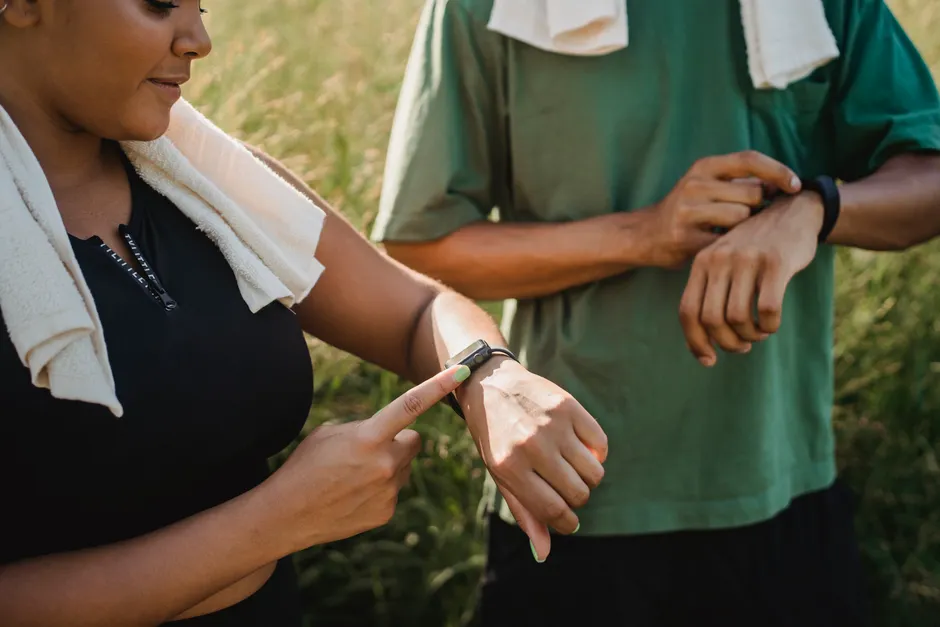
The Best Fitness Trackers of 2026, Matched to Your Goal
Fitbit, Garmin, Amazfit, Apple and Samsung compared on GPS, battery, validated accuracy and subscription — with a goal-based pick for every buyer.

Oura Ring vs WHOOP: Recovery Coaching or Readiness Tracking?
The two leading recovery wearables compared on accuracy, sleep, battery and the subscription both brands charge — matched to how you train.
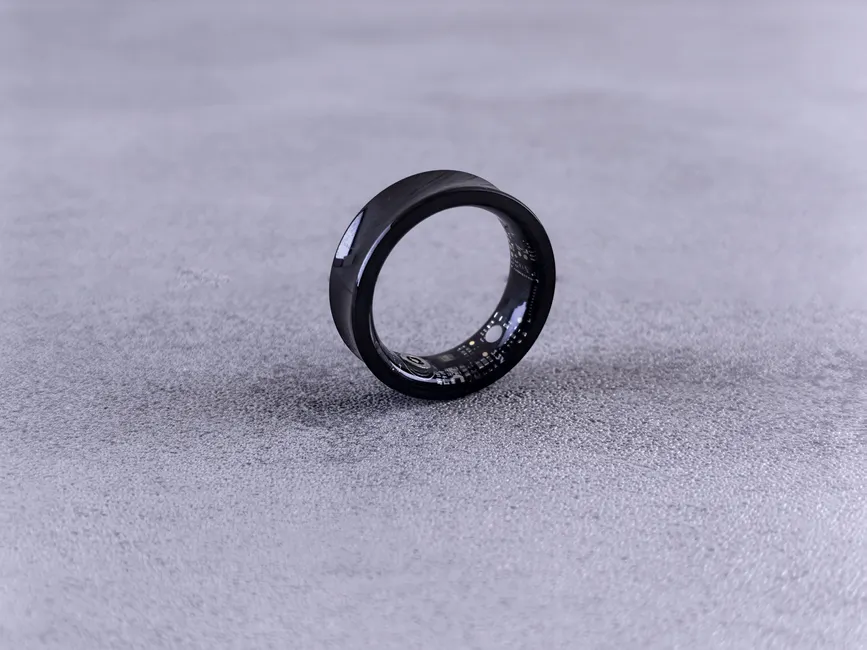
The Best Smart Rings of 2026, Ranked by the Evidence
Oura, RingConn, Samsung, Ultrahuman and Amazfit compared on validated accuracy, battery, and the subscription trap — with a goal-based pick for every buyer.

Oura Ring vs Apple Watch: Which Wearable Matches Your Health Goals?
Compared on sleep tracking, HRV accuracy, women's health, battery life, and real 24-month cost. One is built for awareness — the other for action.

WHOOP vs Apple Watch: Which Fitness Wearable Improves Your Health?
Compared on HRV recovery scoring, sleep coaching, battery, and 12-month cost. At Year 3, one costs $959 and the other $249 — here's which earns it.
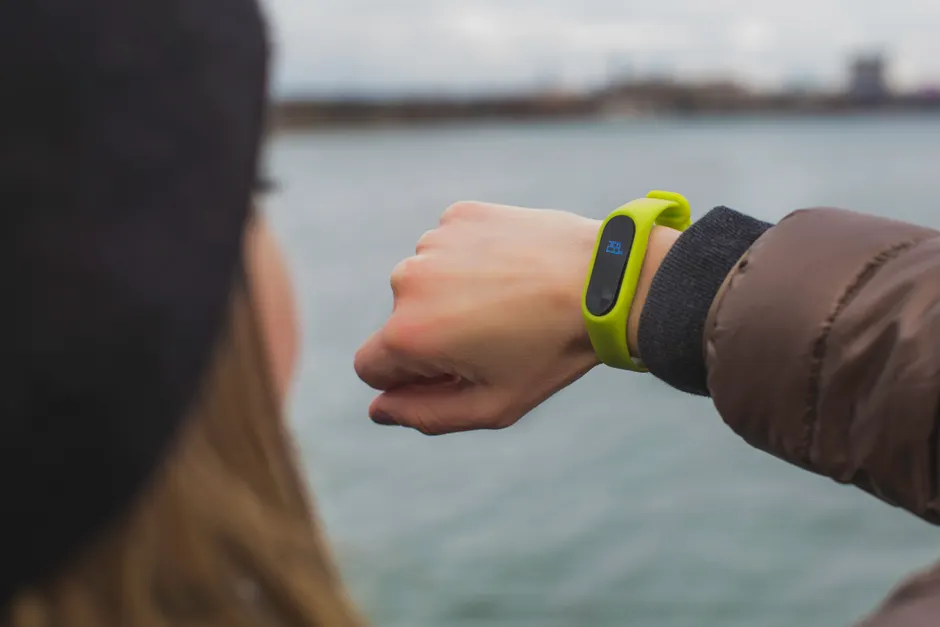
Fitbit vs Garmin: Which Fitness Tracker Is Actually Worth It in 2026?
Compared on GPS accuracy, sleep tracking, battery, and long-term health metrics. One wins on value — the other on data depth.
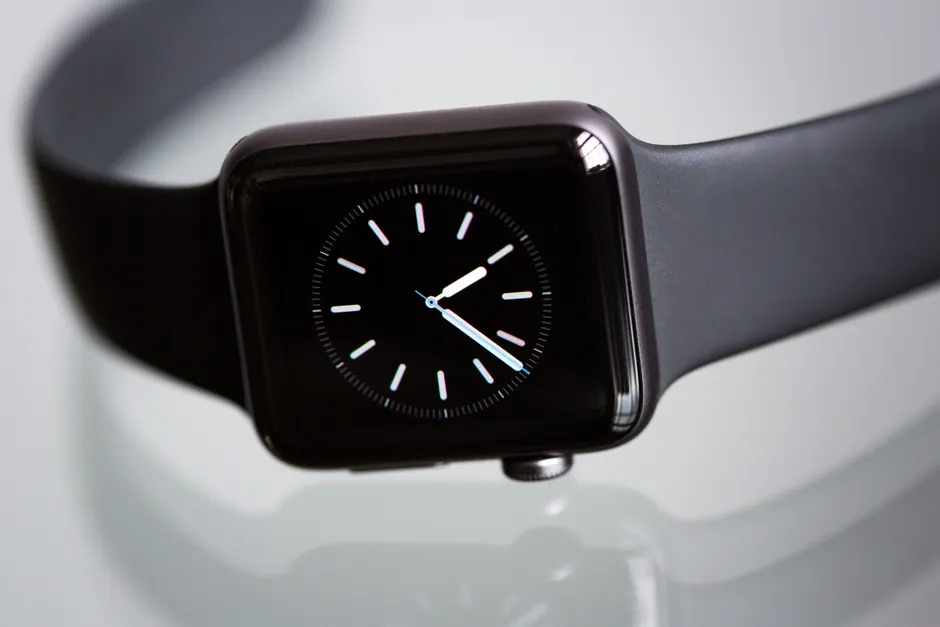
Health Wearable Finder
6 questions to match you to the right wearable — Oura Ring, WHOOP, Apple Watch, Garmin Fenix, or Fitbit Sense. Includes a full spec comparison across 10 metrics.

Cheapest Ways to Get GLP-1 in 2026 — From $25/Month to Telehealth
Wegovy's retail price is $1,349/month. Seven legitimate routes — manufacturer programs, telehealth platforms, and Medicare coverage — that most patients never explore.

Phentermine vs GLP-1: What's the Difference?
Phentermine is a 1959 stimulant producing 5–9% weight loss. GLP-1 drugs produce 14–21%. The mechanism gap explains the results gap — here's the full breakdown.

GLP-1 Peptides for Sale: What to Know Before Buying
"Research use only" vendors sell GLP-1 compounds for $50–$150 a vial. What that label means legally, what independent testing found, and why the legitimate route is safer.
Health tech reviews, weekly
Evidence-based reviews of wearables, glucose monitors, and digital health tools — what's worth your attention and your money, delivered every week.
Discover our other health pillars

Women's Health: Perimenopause, Hormones & ADHD
Mechanism-level guides on perimenopause, thyroid, ADHD, PCOS, and bone strength — built for women's biology, not adapted from male research.

Longevity: Sleep, Aging & Healthspan Science
Evidence-based guides on sleep apnea, biological age, cold exposure, and GLP-1 — the longevity levers with the strongest evidence for a longer, healthier life.

Metabolic Health: Insulin Resistance & GLP-1
Mechanism-first guides on insulin resistance, GLP-1 medications, metabolic testing, and evidence-graded supplements.