Metabolic
Health
Mechanism-first guides on insulin resistance, GLP-1 medications, metabolic testing, and evidence-graded supplements. Only 12.2% of US adults are fully metabolically healthy — this is the hub that explains why, and what to do about it.

Roughly 88% of American adults have at least one marker of metabolic dysfunction. That statistic comes from a 2019 study using actual NHANES biomarker data,[1] not a wellness blog's estimate. The standard response — eat less, move more, avoid processed food — is technically not wrong. It's just not specific enough to explain the mechanism or to guide the right intervention for the right person. A 20-minute post-meal walk, for instance, blunts post-prandial glucose by 25–30% through a completely different pathway than a fasted morning run. The effect is real; the mechanism is specific; and the mainstream advice misses both.
Metabolic health means that your blood glucose, insulin sensitivity, cholesterol ratios, blood pressure, and waist circumference are all within optimal ranges simultaneously. When any one is off, the others follow — because they share a root cause: insulin resistance. And insulin resistance is an adaptation to metabolic overwhelm, not a permanent structural change. The evidence base shows it's reversible. The question is which intervention addresses the mechanism versus which one just treats the downstream symptom.
This hub covers the full landscape: what the five clinical markers tell you, how insulin resistance develops and reverses, what GLP-1 medications do at the mechanism level, which supplements have real evidence (with the evidence tier stated clearly), and the tools to get personalised answers. Every article states its evidence quality. The mechanism always comes first.
WiseGoodness · metabolic health map
Where Is Your Metabolic Health Starting Point?
Match your current situation to the right section. The decider is the marker that confirms which track applies.
Decider: All 5 clinical markers simultaneously — fasting glucose, HDL, TG, BP, waist circumference.
Decider: HOMA-IR = fasting insulin × fasting glucose ÷ 405. Above 1.9 signals early insulin resistance.
Decider: Lean mass % tracked throughout — not just scale weight. 30–40% of GLP-1 loss is muscle without intervention.
Decider: Daily protein gram count + resistance training maintained — the two non-negotiables for lean mass retention.
Decider: Evidence tier (mechanism + RCT + independent vs. funded) — not price, brand, or label claims.
Decider: Pick the calculator that matches your specific variable — vitamin D, creatine dose, magnesium form, or GLP-1 vs berberine.
Metabolic Health Foundations
Metabolic health is defined by five simultaneous clinical criteria: fasting blood glucose below 100 mg/dL, HDL cholesterol above 40/50 mg/dL (men/women), triglycerides below 150 mg/dL, blood pressure below 120/80, and waist circumference below 102cm (men) or 88cm (women). A 2019 analysis of NHANES data found that only 12.2% of American adults meet all five without medication.[1] This is not a screening failure — it's what the modern food environment does to human metabolism, across a population, over decades.
The most clinically important gap in the standard annual blood panel is fasting insulin. Fasting glucose can sit at a healthy-looking 90 mg/dL while fasting insulin is at 20 µIU/mL, producing a HOMA-IR score (fasting glucose × fasting insulin ÷ 405) well above the 1.9 threshold that indicates early insulin resistance. By the time fasting glucose rises above the reference range, insulin resistance has often been present for 5–10 years. Requesting fasting insulin alongside the standard panel gives you a window into the mechanism that the standard panel misses entirely. This is not a fringe recommendation — it's basic endocrinology that most annual blood work simply doesn't include.
- → What Is Metabolic Health? The Complete Science-Backed Guide — 5 biomarkers, why 88% fall short, what actually moves the needle
- → Metabolic Health Test: What Tests and What Numbers Matter — exactly which tests to request and what optimal ranges look like
Insulin Resistance & Blood Sugar
Insulin resistance is the common root mechanism of type 2 diabetes, PCOS (in 70–80% of cases), non-alcoholic fatty liver disease, a substantial portion of cardiovascular disease, and several obesity-related cancers — which is exactly why a 2026 study linking GLP-1 drugs to slower cancer spread is best read as a metabolic-health finding, not a new cancer drug. It's an adaptation — the body's response to chronic hyperinsulinaemia driven by excess carbohydrate load, excess fructose, excess visceral fat, and insufficient muscle mass to buffer glucose. The important thing about adaptations is that they reverse when the conditions that created them are removed. The mainstream view that type 2 diabetes is progressive and permanent is a myth established when the only available interventions were symptom-management medications. Roy Taylor's research has shown remission through 10–15% weight loss in the first decade of diagnosis, specifically by reducing intrahepatic fat and restoring hepatic insulin sensitivity.
The most evidence-backed acute interventions for insulin sensitivity cost nothing: a 20-minute post-meal walk blunts post-prandial glucose by 25–30% through insulin-independent GLUT4 translocation in muscle, and simply eating your vegetables and protein before the carbohydrates cut the post-meal spike by 73% in one trial. Resistance training improves insulin receptor sensitivity over weeks by increasing GLUT4 transporter density. Reducing dietary fructose — not all carbohydrates, specifically fructose, which only the liver can process — is the highest-leverage dietary change for hepatic insulin resistance. These are mechanism-level statements, not a politically correct food list.
- → GLP-1 Weight Loss Timeline: Week by Week, Month by Month — average 14.9–22.5% total body weight loss at 18 months; why the scale stalls
- → How Long Does GLP-1 Take to Work? A Week-by-Week Timeline — from appetite suppression in 24 hours to 14.9% body weight loss at 68 weeks
- → GLP-1 vs Berberine: Which Is Right for You? (Tool) — side-by-side comparison including the mechanism difference most articles skip
GLP-1 Medications: What the Evidence Actually Shows
GLP-1 receptor agonists are the most clinically significant development in metabolic medicine in recent history. The mechanism is not complicated: GLP-1 receptors in the hypothalamus receive the drug signal and reduce hunger drive, producing spontaneous caloric reduction without the deliberate restriction that makes traditional diets difficult to sustain. Secondary mechanisms include slowed gastric emptying (extending satiety, blunting glucose spikes) and glucose-dependent insulin secretion (only when blood sugar is actually elevated). The STEP-1 trial published in the NEJM in 2021 showed 14.9% mean body weight loss at 68 weeks with semaglutide 2.4mg.[2]
The headline numbers require the full picture: 25–40% of GLP-1 weight loss is lean mass without active countermeasures. Two-thirds of lost weight returns within a year of stopping. The SELECT trial cardiovascular data is genuinely impressive — 20% reduction in major cardiovascular events in non-diabetic obese adults — but the drug's metabolic benefit is fully contingent on maintaining muscle through protein and resistance training during and after treatment. GLP-1 medications are prescription drugs. The content on this page is educational and should not replace your prescribing clinician's guidance. Discuss dosing, adjustments, and supplementation with your clinician.
- → How Long Does GLP-1 Take to Work? — clinical trial-based week-by-week timeline from first injection [prescription medication — consult your clinician]
- → GLP-1 Weight Loss Timeline — scale plateaus, lean mass loss, and what happens after stopping
GLP-1 Nutrition & Muscle Support
GLP-1 suppresses appetite nonselectively — it doesn't know whether you're eating protein or cereal. Without deliberate protein targeting, reduced total intake during treatment means proportionally high lean mass loss alongside fat. The countermeasures are specific: protein intake at minimum 1.2g per kg of body weight daily (ideally 1.5g/kg), prioritising leucine-rich sources (whey, dairy, meat, eggs) for their disproportionate muscle protein synthesis signalling. Creatine monohydrate at 3–5g daily has documented evidence for preserving lean mass during caloric restriction. Resistance training maintained continuously through treatment is the non-negotiable complement — without it, the supplement stack is doing work the muscle stimulus should be doing.
The gut microbiome side of GLP-1 nutrition is underappreciated. Akkermansia muciniphila levels below 0.1% are typical in metabolically unhealthy adults, and Akkermansia is directly involved in endogenous GLP-1 secretion. Certain probiotic formulations target this pathway — and the evidence for this specific mechanism is meaningfully stronger than general probiotic claims.
- → GLP-1 Meal Plan: Foods, Snacks & Delivery Options — 7-day protein-first meal table built around the drug's biology
- → Best Protein Shakes for GLP-1 Users — whey, plant-based, and RTD shakes ranked by evidence for lean mass preservation
- → Best Supplements to Take on GLP-1 — protein, creatine, magnesium, D3: the four that actually protect results [adjust supplement protocol with your clinician's input]
- → Best GLP-1 Probiotics: Pendulum & Supergut Reviewed — Akkermansia muciniphila pathway; which product wins on evidence
Evidence-Graded Supplement Protocols
Only approximately 20% of metabolic health supplements have meaningful clinical evidence behind them. The other 80% have mechanism plausibility — meaning there's a biological reason they could work — but the human trial data is thin, short, industry-funded, or absent. WiseGoodness states evidence tiers explicitly in every supplement article. That matters on a YMYL site.
By evidence strength: Magnesium (45% of US adults deficient; intracellular magnesium is required for insulin receptor tyrosine kinase activity — without it, insulin signalling is impaired regardless of insulin levels; glycinate form for daily supplementation, citrate for GI motility). Berberine — a 2008 head-to-head trial found similar HbA1c reductions to metformin at equivalent doses;[3] berberine should not replace prescribed diabetes medication and can cause hypoglycaemia in combination — discuss with your clinician. Vitamin D (correction of deficiency improves insulin receptor sensitivity). Creatine monohydrate (improves GLUT4-mediated glucose uptake and preserves lean mass). The standard metabolic supplement list often includes chromium and alpha-lipoic acid — both have supporting evidence at lower confidence levels.
- → Metabolic Health Supplements: What the Evidence Shows — berberine, magnesium, ALA, chromium ranked by mechanism and evidence tier
- → Thorne Metabolic Health: Ingredients, Quality & Honest Verdict — NSF-certified berberine HCl reviewed against the clinical evidence
- → Cymbiotika Metabolic Health: Ingredients & Honest Verdict — every ingredient reviewed; what works and for whom
- → Thorne vs Cymbiotika: Which Berberine Wins? — head-to-head: berberine HCl vs dihydroberberine, NSF certification, price, verdict
- → Magnesium Glycinate vs Citrate: Which Form Is Right for You? — 45% of adults deficient; most are taking the wrong form for their goal
- → How Long Does a Vitamin B12 Shot Last? — mechanism, timeline, and how often you actually need one
Calculators & Decision Tools
The WiseGoodness tools convert the evidence into personalised numbers. Vitamin D requirements vary 3–4× based on skin tone, latitude, and sun exposure — a calculator gives you a dose, not a generic "800 IU" recommendation. Creatine dosing for women is not simply scaled from male bodybuilder research. The GLP-1 vs berberine decision depends on your specific insulin picture, budget, and risk profile — the calculator maps those variables against mechanism differences that most comparison articles ignore.
The Magnesium Form Finder matches your symptom profile to the right magnesium compound using the same logic as our supplement article: form determines outcome, and most people taking "magnesium" are taking the wrong one for their specific goal.
- → Vitamin D Calculator — skin tone, sun exposure, latitude, and age → estimated D3 requirement and supplementation dose
- → Creatine Calculator for Women — personalised daily creatine dose based on women-specific clinical evidence
- → GLP-1 vs Berberine Calculator — personalised side-by-side comparison including the mechanism difference most articles skip
- → Magnesium Form Finder — select your symptoms to get matched to the right form: glycinate, malate, threonate, taurate, or citrate
Where to Start
If you're new to this hub, four questions identify the highest-leverage starting point:
- Do you know your HOMA-IR? → If not, start with the Metabolic Health Test article and request fasting insulin alongside your next standard blood panel. HOMA-IR above 1.9 is the earliest reliable signal of insulin resistance — often 5–10 years before fasting glucose rises above the reference range.
- Are you on or considering GLP-1 medication? → The GLP-1 timeline article sets realistic expectations; the supplements on GLP-1 and meal plan cover the muscle preservation protocol. Discuss all supplement additions with your prescribing clinician.
- Building a supplement stack? → Start with the evidence-ranked overview, then use the Magnesium Form Finder and Vitamin D Calculator to personalise the two most commonly underdosed micronutrients.
- Berberine vs GLP-1 — which makes sense for you? → The calculator maps your goals, health status, and budget against the mechanism difference. It's not the same decision for everyone.
For everything on this hub involving prescription medications (GLP-1) or supplements that affect blood sugar (berberine), the articles frame the mechanism and evidence — but clinical decisions should involve your physician or pharmacist. Blood sugar management can interact with prescribed medications in ways that require monitoring.
Frequently Asked Questions
The five clinical markers of metabolic health are fasting blood glucose below 100 mg/dL, HDL cholesterol above 40 mg/dL for men or 50 mg/dL for women, triglycerides below 150 mg/dL, blood pressure below 120/80 mmHg, and waist circumference below 102cm for men or 88cm for women. A 2019 NHANES analysis found only 12.2% of American adults meet all five simultaneously without medication. Most people have dysfunction in at least one marker — the question is which one is leading the cascade.
Insulin resistance is the state in which cells require increasingly high insulin levels to take up glucose from the bloodstream — the root mechanism behind type 2 diabetes, PCOS, and non-alcoholic fatty liver disease. The key evidence-based insight is that insulin resistance is an adaptation, not a permanent structural change, and adaptations reverse when the conditions driving them are removed. Weight loss of 10–15%, particularly of visceral and liver fat, has produced remission of type 2 diabetes in clinical trials, especially within the first decade of diagnosis.
A 2008 pilot trial directly comparing berberine (500mg three times daily) and metformin in 36 newly-diagnosed type 2 diabetics over 3 months found similar HbA1c reductions — roughly 2 percentage points in both groups — and berberine also lowered triglycerides. The mechanisms overlap (both activate AMPK and reduce hepatic glucose output), which makes berberine genuinely interesting. But context matters: this is a single small pilot, not the decades of safety and outcome data behind metformin. Berberine is an unregulated supplement with real drug interactions, it can cause hypoglycaemia, and it is not a substitute for a prescribed medication. Never stop or replace metformin — or any prescription — without your doctor.
By evidence strength: magnesium (45% of US adults deficient; required for insulin receptor signalling; glycinate form preferred at 300–400mg elemental daily), berberine (HbA1c reduction comparable to metformin at 1,500mg/day; do not combine with diabetes medications without clinician guidance), vitamin D (deficiency correction improves insulin sensitivity; target serum level 40–60 ng/mL), and creatine monohydrate (improves glucose uptake and preserves lean mass during caloric restriction). Alpha-lipoic acid and chromium have supporting but lower-confidence evidence.
GLP-1 receptor agonists produce weight loss primarily through central appetite suppression, not metabolic rate change. GLP-1 receptors in the hypothalamus reduce hunger drive, leading to spontaneous caloric reduction. Secondary mechanisms include slowing gastric emptying to extend satiety and blunt glucose spikes, and glucose-dependent insulin secretion (only when blood sugar is elevated). The STEP-1 trial showed 14.9% mean body weight loss at 68 weeks in adults without diabetes. GLP-1 medications are prescription drugs — discuss with your clinician.
The primary nutritional priority on GLP-1 is protein — at least 1.2g per kg of body weight daily, and ideally 1.5g/kg. GLP-1 suppresses appetite nonselectively; without deliberate protein targeting, reduced overall intake leads to proportionally high lean mass loss alongside fat. Leucine-rich proteins (whey, dairy, meat, eggs) are most effective for muscle protein synthesis. Creatine monohydrate (3–5g daily) preserves lean mass during caloric restriction. Resistance training maintained throughout treatment is the non-negotiable complement to the nutrition protocol.
Metabolic Health Guides & Tools

Thorne vs Cymbiotika Metabolic Health: Which Berberine Wins?
Same molecule, two different products. Berberine HCl vs dihydroberberine, NSF certification vs liposomal delivery, $60 vs $79 — the head-to-head with an honest verdict.
What Is Metabolic Health? The Complete Science-Backed Guide
The 5 biomarkers, why 88% of adults fall short, and the evidence-based steps that actually move the needle.
Metabolic Health Test: What Tests and What Numbers Matter
Your standard blood panel misses fasting insulin — the earliest signal of insulin resistance. Here's exactly which tests to request and what optimal ranges look like.
How Long Does GLP-1 Take to Work? A Week-by-Week Timeline
Appetite suppression begins within 24 hours. The clinical trial-based timeline from first injection to 14.9% average body weight loss at 68 weeks.

GLP-1 Weight Loss Timeline: Week by Week, Month by Month
Week 1: ~1 lb. Month 18: 14.9–22.5% total body weight loss. Here's what happens between those two points — including why the scale stalls.
Metabolic Health Supplements: What the Evidence Actually Shows
Only 20% of metabolic supplements have real clinical data. Berberine, magnesium, ALA, and chromium ranked by mechanism and evidence — with exact dosages.

Magnesium Glycinate vs Citrate: Which Form Is Right for You?
45% of US adults are deficient — and most are supplementing the wrong form. Mechanism-based breakdown of which matches your specific goal.

GLP-1 Meal Plan: Foods, Snacks & Delivery Options
A protein-first meal plan built around the drug's biology — 7-day table, foods to avoid, snack guide, and delivery options reviewed.
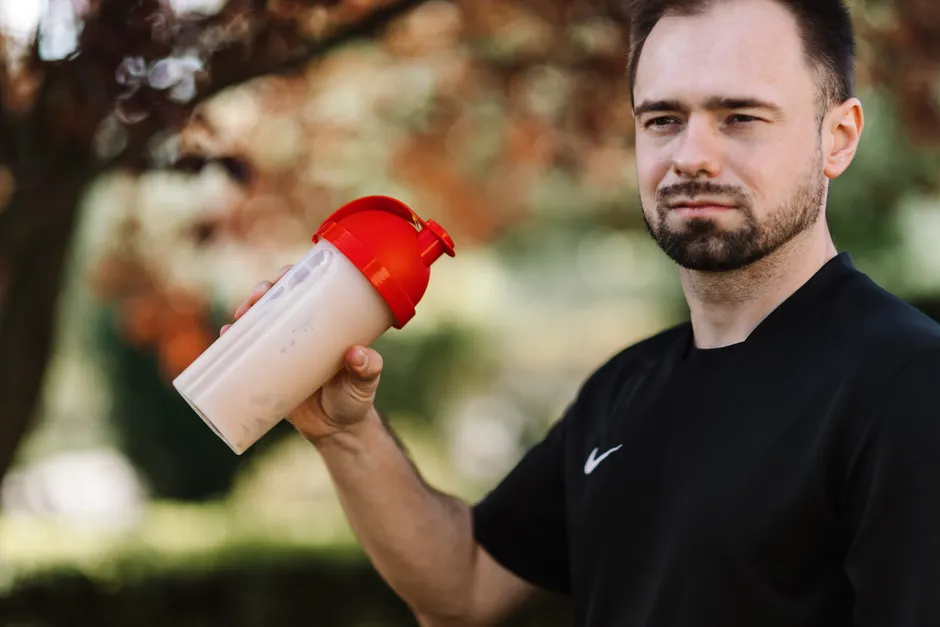
Best Protein Shakes for GLP-1 Users: Science-Backed Picks
Up to 40% of GLP-1 weight loss can be lean muscle without adequate protein. Whey isolate, plant-based, and RTD shakes ranked by evidence.

Best Supplements to Take on GLP-1: What Actually Works
Protein, creatine, magnesium, and vitamin D3 are the four that protect your results. Here's the evidence and the protocol.

Best GLP-1 Probiotics: Pendulum & Supergut Reviewed
Akkermansia muciniphila levels below 0.1% are typical in metabolically unhealthy adults. Pendulum vs Supergut — which wins on evidence.

Thorne Metabolic Health: Ingredients, Quality & Honest Verdict
NSF Certified for Sport — fewer than 5% of brands qualify. Berberine HCl formulation reviewed against the clinical evidence, with honest comparison vs alternatives.

Cymbiotika Metabolic Health: Ingredients & Honest Verdict
Every ingredient reviewed against the clinical evidence. Berberine, ALA, chromium — what works and for whom, with an honest conclusion.

Vitamin D Calculator
Enter your skin tone, sun exposure, latitude, and age to get your estimated daily D3 requirement and the supplementation dose needed to close the gap.

Creatine Calculator for Women
Personalised daily creatine dose based on the clinical evidence for women specifically — not adapted from male bodybuilding research.

GLP-1 vs Berberine: Which Is Right for You?
Enter your goals, health status, and budget to get a personalised side-by-side comparison — including the mechanism difference that most articles ignore.
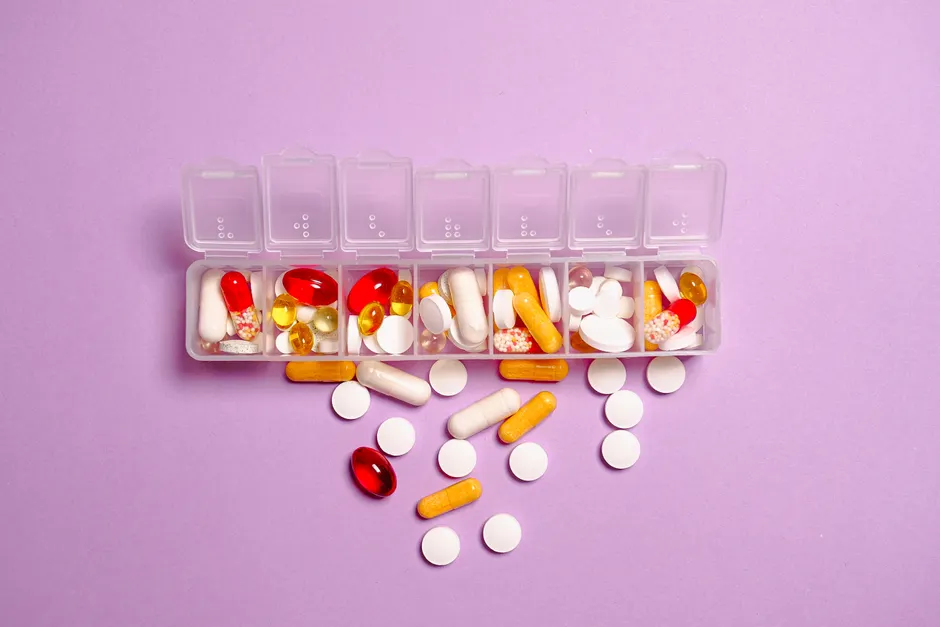
Magnesium Form Finder
Select your symptoms to get matched to the right magnesium form — glycinate, malate, threonate, taurate, or citrate. The form matters as much as the dose.
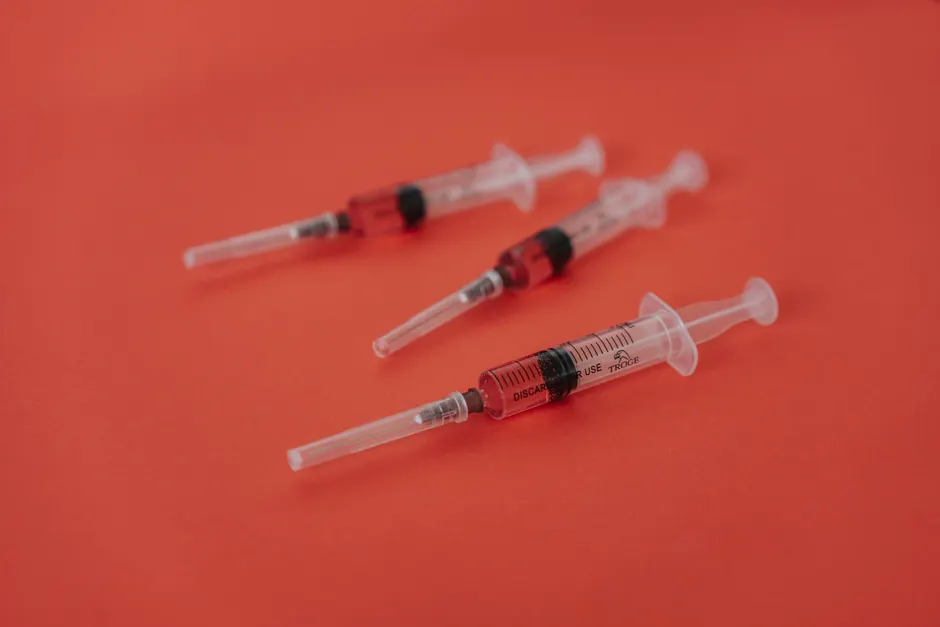
How Long Does a Vitamin B12 Shot Last?
A single B12 injection can replenish liver stores enough to last months — or years. The mechanism, the timeline, and how often you actually need it.
Metabolic health science, weekly
Evidence-based insights on insulin resistance, GLP-1, supplements, and metabolic testing — mechanism first, delivered every week.
Discover our other health pillars

Women's Health: Perimenopause, Hormones & ADHD
Mechanism-level guides on perimenopause, thyroid, ADHD, PCOS, and bone strength — built for women's biology, not adapted from male research.

Longevity: Sleep, Aging & Healthspan Science
Evidence-based guides on sleep apnea, biological age, cold exposure, and GLP-1 — the longevity levers with the strongest evidence for a longer, healthier life.

Wearables & Health Tech
Evidence-based guidance on health wearables, continuous glucose monitors, and the devices worth your data.