Pendulum GLP-1 Probiotic and Supergut GLP1 Daily Support both support natural GLP-1 production — but through different mechanisms. Pendulum uses live Akkermansia muciniphila bacteria to directly stimulate intestinal L-cells; Supergut uses prebiotic fiber that ferments into short-chain fatty acids that independently trigger GLP-1 release. Neither works like semaglutide. Both produce real, modest improvements in gut-based satiety signalling when used consistently for 4–8 weeks.
There are approximately 100 trillion bacteria living in your gut right now. One species among them — typically comprising less than 0.1% of that population in metabolically unhealthy adults — has a documented, direct line to the neurons that control hunger and satiety. Its name is Akkermansia muciniphila. And the supplement industry noticed.
The marketing around GLP-1 probiotics has outpaced the science by about three years. The claim — that specific probiotic strains can "naturally boost GLP-1" the same way semaglutide or tirzepatide does — is partially correct in a way that almost entirely misleads you. Prescription GLP-1 drugs are DPP-4-resistant analogs engineered to circulate systemically with a half-life of up to 7 days. Natural gut GLP-1 has a plasma half-life of 2 minutes. They are not the same pathway. They don't produce remotely the same effect.
That doesn't mean GLP-1 probiotics are useless. It means they work differently — through a local, vagal nerve pathway rather than through circulating blood levels. The distinction matters profoundly if you're choosing between products, evaluating the evidence, or deciding whether to add one to an existing prescription GLP-1 protocol. This article covers exactly that: what Pendulum's GLP-1 Probiotic and Supergut's GLP1 Daily Support actually do, what the evidence actually says about each, and which one to choose — if either.
We will review both formulas strain by strain and ingredient by ingredient, explain the mechanism with enough precision that you can assess any GLP-1 probiotic claim you encounter in future, and give you an honest verdict. No supplement is going to give you the appetite suppression of a weekly injection. But some of them are doing something real — and the ability to distinguish real from marketing is worth the 12 minutes this takes. For the full picture on supplements during GLP-1 therapy, our guide to the best supplements to take on GLP-1 covers the broader stack.
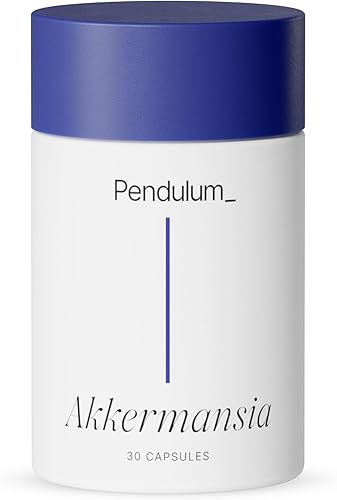
If you want to start with the most studied Akkermansia supplement on the market — Pendulum's single-strain formula is the most established option for gut-based GLP-1 support and the one with the longest track record on Amazon:

The Gut-GLP-1 Connection: Why Your Microbiome Controls Appetite
Your gut produces GLP-1 every time you eat. Specifically, a population of specialised cells called L-cells — located throughout the distal small intestine and colon — sense incoming nutrients and fermentation products. When stimulated, they release GLP-1 locally into the intestinal wall.
This local GLP-1 does not circulate systemically in meaningful concentrations. It activates sensory nerve endings of the vagal nerve embedded in the intestinal wall. The vagus nerve carries that signal directly to the brainstem. The brainstem interprets it as satiety, slows gastric emptying, and reduces appetite drive.
The connection to your gut microbiome is direct. Akkermansia muciniphila — a gram-negative bacterium that colonises the mucus layer lining your intestinal wall — upregulates L-cell GLP-1 secretion through two mechanisms. First, a protein on its outer membrane called Amuc_1100 directly interacts with L-cells and toll-like receptor 2, triggering GLP-1 release. Second, Akkermansia reinforces the gut mucus barrier, reducing intestinal permeability and the chronic low-grade inflammation that suppresses L-cell function.
Short-chain fatty acids (SCFAs) — produced when gut bacteria ferment dietary fibre — provide a second, independent pathway to L-cell stimulation. Butyrate, propionate, and acetate each activate different receptors on L-cells (FFAR2, FFAR3, GPR41) that trigger GLP-1 release. This is the mechanism that makes prebiotic fibre a legitimate GLP-1 strategy. A low-Akkermansia, low-diversity gut — typical after chronic antibiotic use, ultra-processed dietary patterns, or chronic stress — reduces natural GLP-1 signalling at the source. According to Plovier et al. 2017 (Nature Medicine), Akkermansia muciniphila supplementation improved gut barrier function and increased L-cell GLP-1 output — effects confirmed to extend to human metabolic markers in subsequent trials.

How GLP-1 Probiotics Actually Work (vs. What the Marketing Says)
This is the section most supplement brands would prefer you skip.
Here is the GLP-1 probiotic mechanism, honestly stated:
- Probiotic strains (Akkermansia, Clostridium butyricum) colonise or transiently pass through the gut
- They stimulate L-cells to produce GLP-1 locally in the intestinal wall
- Local GLP-1 activates vagal nerve endings — not the bloodstream
- The vagal signal reaches the brainstem, producing some degree of satiety signalling
Here is what semaglutide or tirzepatide does:
- The drug is injected and enters systemic circulation
- It binds GLP-1 receptors throughout the body — in the hypothalamus, pancreas, liver, heart, and gut simultaneously
- It is engineered to resist DPP-4 degradation, so it persists for 7 days per dose
- It achieves GLP-1 receptor saturation that your own gut-produced GLP-1 never reaches
The right framing for GLP-1 probiotics: they restore natural gut signalling that processed food, antibiotics, and low-fibre diets have suppressed over years. They are not a prescription drug alternative. They are a gut health intervention that improves GLP-1 production as one of its downstream effects — and that is still a meaningful thing to do.
A lot of people assume that because both involve "GLP-1," they work through the same mechanism and produce comparable results. They don't. Natural gut GLP-1 has a plasma half-life of approximately 2 minutes — it is a local signal, not a hormonal broadcast. This is not a reason to dismiss these supplements. It is a reason to understand precisely what you're actually getting — and to stop expecting a probiotic to produce a 22% reduction in body weight.

Pendulum GLP-1 Probiotic: Full Review
Pendulum is a California-based precision probiotic company that built its reputation on solving an almost comically difficult commercial problem: cultivating Akkermansia muciniphila at scale. This bacterium is strictly anaerobic — it dies in the presence of oxygen. Manufacturing, packaging, and shipping a live Akkermansia supplement while keeping it viable is genuinely hard. Pendulum solved it. That alone puts them in a different category from most probiotic brands.
Pendulum GLP-1 Probiotic — Formula
Akkermansia muciniphila ✓ Primary active strain
Directly stimulates L-cell GLP-1 secretion via Amuc_1100 protein. Reinforces gut mucosal barrier. The best-evidenced strain for gut-based GLP-1 support.
Clostridium butyricum
✓ Strong mechanism
Produces butyrate directly in the colon. Butyrate is the most potent SCFA for L-cell FFAR2 receptor activation, triggering GLP-1 release. Also supports gut barrier integrity and colonocyte energy metabolism.
Lactobacillus reuteri
~ Emerging evidence
Some trials show effects on gastric motility and satiety hormones including GLP-1. Effect size is smaller than Akkermansia. A complementary supporting strain rather than the headline mechanism.
Bifidobacterium infantis
~ Indirect support
Strong evidence for gut barrier integrity and immune function. Less specific evidence for the GLP-1 pathway. A supporting player that improves overall microbiome diversity and reduces inflammatory burden on L-cells.
Pendulum uses delayed-release capsules — a manufacturing detail that matters more than any single ingredient. Unprotected probiotic capsules can lose over 90% of viable bacterial count before reaching the colon, where these strains need to be active. Third-party testing is confirmed. This is important in the probiotic category: live bacteria die during manufacturing, shipping, and storage, and without independent verification, the label is an approximation.
The GLP-1 Probiotic formula sits at the premium end of the market. The premium is partially justified by the manufacturing complexity of Akkermansia cultivation, and partially by the fact that Pendulum has genuinely invested in research. For users already on prescription GLP-1 drugs, seeking to manage gut side effects and support microbiome health during medication use, the formula is well-targeted. Our GLP-1 weight loss timeline guide covers in detail how gut health supports long-term results on prescription therapy.
What the evidence says: the broader Akkermansia literature includes the landmark Depommier et al. 2019 (Nature Medicine) randomised, double-blind, placebo-controlled trial in 40 overweight adults — showing that pasteurised Akkermansia supplementation significantly improved insulin sensitivity, reduced plasma LPS concentrations, and improved gut barrier markers. Pendulum's formula uses live Akkermansia rather than pasteurised, with strong rationale that the live form provides additional metabolic benefit.
Verdict: ✓ Well-formulated, premium price. Multi-strain, delayed release, third-party tested, with a legitimate evidence base for the primary active strain. The effect on GLP-1 is real but modest. Worth the price for serious users — arguably overpriced for casual supplementation.
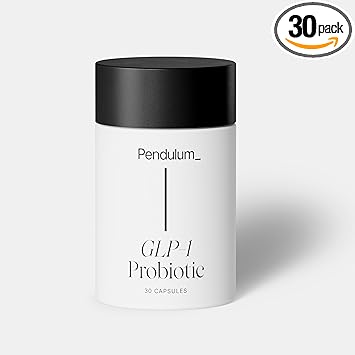
If the Pendulum multi-strain formula sounds right for your protocol — it's available on Amazon with third-party testing verification. The flagship GLP-1 Probiotic combines all four strains reviewed above in a delayed-release capsule:

Supergut GLP1 Daily Support: Full Review
Supergut is different from Pendulum in one important and underappreciated way: it is not a probiotic. It is a prebiotic fibre blend. That distinction changes the mechanism entirely — and in some respects, makes the specific evidence base for the GLP-1 pathway stronger, not weaker.
Supergut GLP1 Daily Support — Formula
Resistant Potato Starch (RS2) ✓ Best-evidenced GLP-1 fibre
Resists digestion in the small intestine. Reaches the colon intact. Fermented by resident bacteria into butyrate and propionate — the SCFAs that directly stimulate L-cell GLP-1 secretion via FFAR2 and GPR41 receptors. Multiple human RCTs show 20–35% increases in postprandial GLP-1.
Beta-Glucan (from oats)
✓ Independent GLP-1 mechanism
Soluble fibre that forms a viscous gel in the small intestine. Slows glucose absorption — independently reducing postprandial glucose spikes. Also fermented in the colon, contributing to SCFA production and L-cell stimulation.
Inulin (from chicory root)
~ Supporting prebiotic
A fructooligosaccharide (FOS) that preferentially feeds Bifidobacterium species in the colon. Contributes to SCFA production and supports Akkermansia-adjacent gut bacteria that upregulate GLP-1 signalling.
None of Supergut's ingredients are live bacteria. All of them are specific dietary fibres that resist small intestinal digestion and reach the colon intact, where they are fermented by resident bacteria into SCFAs. This matters for two reasons: first, prebiotic fibre is stable at room temperature and does not require cold-chain logistics that live probiotic bacteria demand. Second, the fibre reaches the colon regardless of stomach acid conditions — no delayed-release technology needed.
The mechanism is arguably better supported by direct human RCT evidence for the GLP-1 pathway than probiotic-based approaches. The limitation: Supergut is not addressing the probiotic side of the equation. If your Akkermansia levels are severely depleted, a prebiotic will feed whatever bacteria remain — but if Akkermansia is nearly absent, the prebiotic has less to work with. The ideal is both, not one or the other. Our article on metabolic health fundamentals explains why gut microbiome diversity is a root cause rather than a symptom.
Supergut is meaningfully more affordable than Pendulum, and comes in a format (unflavoured powder) that mixes easily into water, coffee, or food.
Verdict: ✓ Evidence-backed, accessible price. Fibre-based GLP-1 support has a more direct clinical evidence base for the specific SCFA-L-cell pathway than probiotic-based approaches. If you are choosing one for the first time and budget matters, Supergut's mechanism is arguably better supported at a lower cost.
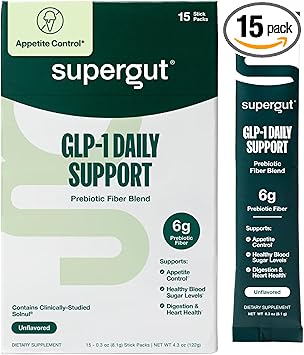
If you want the prebiotic fiber approach to GLP-1 support — resistant starch, beta-glucan, and inulin combined in an unflavoured powder you can mix into anything — Supergut's dedicated GLP-1 formula is available on Amazon:
Which Probiotic Strains Have Real Evidence for GLP-1
The GLP-1 probiotic category is flooded with products containing generic Lactobacillus acidophilus and Bifidobacterium longum — strains with excellent evidence for general gut health and essentially zero specific evidence for the GLP-1 pathway. They are not bad strains. They are simply not the mechanism you are targeting.
The strains with legitimate GLP-1 pathway evidence:
| Strain / Ingredient | GLP-1 Evidence | Primary Mechanism | In Which Product |
|---|---|---|---|
| Akkermansia muciniphila | Strong — Level 2 RCTs | L-cell stimulation + gut barrier | Pendulum (both) |
| Clostridium butyricum | Strong — butyrate mechanism | Butyrate → L-cell FFAR2 activation | Pendulum GLP-1 Probiotic |
| Resistant starch (RS2) | Strong — multiple human RCTs | SCFA → L-cell FFAR2/GPR41 | Supergut GLP1 Daily |
| Beta-glucan | Strong — glucose + GLP-1 | Viscous gel → slower absorption + SCFA | Supergut GLP1 Daily |
| Lactobacillus reuteri | Moderate — gastric motility | Enteroendocrine cell interaction | Pendulum GLP-1 Probiotic |
| Bifidobacterium infantis | Indirect — gut barrier | Reduces inflammatory L-cell suppression | Pendulum GLP-1 Probiotic |
| Generic Lactobacillus spp. | None specific to GLP-1 | General microbiome diversity | Most other probiotics |
Imagine your gut L-cells as a production facility that runs on two inputs: the right bacteria sending the right signals, and the right fermentable material arriving in the colon. Most generic probiotic supplements deliver neither. They drop standard Lactobacillus strains into a gut that may be missing the infrastructure to make use of them, and they contain no fermentable fibre to drive SCFA production. That's not saying a whole lot, is it?
Pendulum addresses the bacterial input side. Supergut addresses the fermentable material side. Used together, they address both simultaneously — which is, mechanistically, the most complete approach available outside of prescription medication.

Pendulum vs. Supergut: The Honest Verdict
Pendulum and Supergut are not competitors in the way the marketing frames them. They address the same underlying outcome — improved gut-based GLP-1 production — through mechanisms that are complementary rather than interchangeable. The most effective approach is to use both. That is not a coincidence of product design. It reflects how the biology actually works.
The question I always hear is: "Which one should I take if I can only choose one?" The answer depends on where your gut health currently is.
Choose Pendulum if:
Your gut Akkermansia levels are likely depleted — typical after significant antibiotic courses, years of highly processed dietary patterns, or chronic stress. The bacteria need to be present before fibre can feed them meaningfully. Pendulum also makes sense if you're already on prescription GLP-1 medication and want gut health support that addresses the microbiome disruption that GLP-1 drugs can cause as food intake falls. Check our GLP-1 meal plan guide for how to structure your diet alongside either supplement.
Choose Supergut if:
Your diet already includes some variety and fibre, and your gut microbiome is intact but underperforming for GLP-1 signalling. Supergut's prebiotic fibre approach has a slightly more direct human RCT evidence base for the specific SCFA-to-L-cell pathway. It is also meaningfully more affordable and works in any dietary format. For first-time users who want the best evidence-to-price ratio, Supergut is the better starting point. See our guide to protein shakes for GLP-1 users for complementary nutrition strategies.
| Factor | Pendulum GLP-1 Probiotic | Supergut GLP1 Daily |
|---|---|---|
| Type | Live probiotic bacteria | Prebiotic fibre powder |
| Primary mechanism | Akkermansia → L-cell stimulation | RS → SCFA → L-cell via FFAR2 |
| Evidence tier | Level 2 — strain-level RCTs | Level 2 — fibre-GLP-1 RCTs |
| Relative cost | Premium | More affordable |
| Format | Delayed-release capsule | Unflavoured powder |
| Third-party tested | ✓ Yes | ✗ Company testing only |
| Time to effect | 4–8 weeks | 2–4 weeks |
| Best for | Depleted microbiome, GLP-1 drug users | First-time users, budget-conscious |
Neither of these supplements is a substitute for semaglutide or tirzepatide. If you are managing significant insulin resistance or obesity, the effect size difference between these products and prescription GLP-1 drugs is large. The STEP 1 trial showed 14.9% mean body weight loss on semaglutide with lifestyle intervention. No probiotic or prebiotic supplement achieves that. These products produce modest, sustained improvements in natural gut GLP-1 signalling. That is still a meaningful thing to do — particularly when combined with the dietary habits and supplement protocols described in our guide to best supplements on GLP-1.
Frequently Asked Questions
No. Prescription GLP-1 drugs are DPP-4-resistant analogs that circulate systemically and bind GLP-1 receptors throughout the body — in the brain, pancreas, liver, and heart simultaneously. Natural gut GLP-1 stimulated by probiotics has a plasma half-life of approximately 2 minutes. It acts locally via vagal nerve endings in the gut wall, not systemically. The mechanism and effect size are fundamentally different. GLP-1 probiotics restore natural gut signalling; prescription drugs override it with a sustained, systemic receptor signal that cannot be replicated by any supplement.
Akkermansia muciniphila is a bacterium that colonises the mucus layer lining your intestinal wall. It directly stimulates L-cells — the enteroendocrine cells responsible for natural GLP-1 production — through a protein on its outer membrane called Amuc_1100. It also reinforces the gut mucus barrier, reducing the intestinal permeability and inflammation that suppress L-cell activity. In metabolically unhealthy adults, Akkermansia typically represents less than 0.1% of the gut microbiome — compared to up to 5% in metabolically healthy individuals. Restoring its population has measurable effects on insulin sensitivity, gut barrier integrity, and satiety signalling.
For users already on prescription GLP-1 drugs seeking gut health support and improved side-effect tolerance, yes — the formula is well-targeted and the manufacturing quality is genuine. Akkermansia muciniphila is one of the most difficult probiotic strains to produce commercially due to its strict anaerobic requirements, and the delayed-release capsules and third-party testing add real quality assurance. For first-time users looking to improve metabolic health generally, the price-to-evidence ratio may favour Supergut's prebiotic approach as a starting point.
Supergut's prebiotic fibre approach modestly supports satiety, post-meal blood sugar regulation, and natural GLP-1 production. Controlled trials show resistant starch supplementation increases postprandial GLP-1 by 20–35% in healthy adults. Used consistently alongside a lower-processed-food dietary pattern, it can contribute meaningfully to metabolic health over time. As a standalone weight-loss intervention without dietary change, the effect is modest and should not be compared to the 15–22% body weight reductions seen in prescription GLP-1 drug trials.
Yes — and there is a reasonable case for doing so. Prescription GLP-1 drugs reduce food intake by 30–40%, which also reduces dietary fibre and probiotic diversity over time. Supporting gut microbiome health with Akkermansia-targeting probiotics or prebiotic fibre while on GLP-1 medication may improve side-effect tolerance (particularly constipation and gut motility issues) and maintain the gut health that sustains natural GLP-1 signalling after medication is eventually discontinued. Neither Pendulum nor Supergut interacts negatively with prescription GLP-1 drugs.
Pendulum is a probiotic — it contains live bacterial strains, primarily Akkermansia muciniphila, that directly stimulate L-cell GLP-1 production and reinforce gut barrier integrity. Supergut is a prebiotic fibre powder — it contains resistant starch, beta-glucan, and inulin, which are fermented by existing gut bacteria into short-chain fatty acids that independently stimulate L-cell GLP-1 secretion through FFAR2 and GPR41 receptors. Both work through the gut-vagal-brain satiety pathway but via mechanistically different routes that are complementary when used together.
Probiotic effects on gut microbiome composition typically emerge over 4–8 weeks with consistent daily use. Prebiotic fibre effects (Supergut) can appear faster — within 2–4 weeks — because they act on resident bacteria already present rather than requiring new colonisation. Neither product produces acute appetite suppression. The effects are gradual and are best measured through improvements in digestion, regularity, post-meal satiety, and long-term metabolic markers such as fasting glucose and insulin sensitivity rather than short-term scale changes.