Your personal creatine dose
Not the standard 5g male dose. Your dose, calibrated to your body weight, goals, hormonal phase, and training experience — based on peer-reviewed research in women.
For informational purposes only. Not medical advice. Consult your doctor before starting any supplement — especially if you are pregnant, breastfeeding, or have kidney conditions. Results are estimates based on published research averages.
Most women are told creatine is for bodybuilders — a supplement for men trying to get bigger. This is one of the more persistent and consequential misconceptions in sports nutrition, and it has left an entire population under-supplemented for something the evidence is unambiguous about. This creatine calculator for women uses published clinical dosing data to give you a number based on your specific goals and training load. It is based on published research and is designed to help you have a more informed conversation with your doctor — not to replace one.
Creatine is not a steroid. It is not a stimulant. It is a naturally occurring compound found in muscle tissue and synthesised by the liver from the amino acids glycine and arginine. Every woman reading this already has creatine in her body — the question is whether she has enough to support the demands she places on it.

How Creatine Works in the Female Body
Creatine's primary role is in the phosphocreatine system — the body's fastest energy pathway. When a muscle contracts hard and fast (a squat, a sprint, a heavy press), it burns adenosine triphosphate (ATP) within seconds. Phosphocreatine donates its phosphate group to regenerate ATP almost instantly, allowing the muscle to keep producing force before the slower aerobic or glycolytic pathways can catch up.
The relevance for women is direct: women store approximately 70–80% less creatine than men of comparable body weight, largely because they carry proportionally less skeletal muscle mass. This lower baseline means the ceiling for performance benefit from supplementation is actually greater — a smaller pool has more room to be filled. Research by Smith-Ryan et al. (2021) examining creatine specifically in female populations confirmed that women respond to supplementation with comparable intramuscular creatine increases to men, despite the lower baseline. Smith-Ryan et al., 2021 — PubMed
Beyond explosive output, creatine also supports endurance at sub-maximal intensities by buffering hydrogen ions (which cause the burning sensation in muscle), improves recovery between sets, and has well-established cognitive benefits through a parallel mechanism in the brain — phosphocreatine replenishment in neurons follows the same chemistry as in muscle.
For women interested in broader metabolic health supplements, creatine occupies an unusual position: it is one of the most studied compounds in sports science, with a safety record spanning decades, and yet it remains among the most underused supplements in the female population.

Creatine for Women Over 40: Perimenopause, Muscle, and Cognition
The conversation around creatine for women over 40 and women in perimenopause is different from the general athletic population — and more urgent. From approximately age 35, women begin losing skeletal muscle mass at a rate of 3–8% per decade. During perimenopause and the years immediately following, this rate accelerates due to falling oestrogen levels. This age-related muscle loss is called sarcopenia, and it is not merely aesthetic: muscle mass is the primary metabolic sink for blood glucose, the main driver of resting energy expenditure, and a key protective factor against insulin resistance.
The oestrogen-creatine connection is biochemical. Oestrogen upregulates the expression of creatine transporter proteins — the molecules that pull creatine from the bloodstream into muscle and brain cells. As oestrogen falls during perimenopause, this transport efficiency declines, meaning endogenous creatine synthesis produces less effect. Supplementation compensates for this directly.
Cognitive function is a second critical domain. The brain is the body's second most creatine-dense tissue. Studies in older adults have found that creatine supplementation improves short-term memory, processing speed, and working memory — effects that appear particularly pronounced in populations with low dietary creatine intake (common in women who reduce red meat) and in those experiencing the brain fog characteristic of perimenopause. Brose et al., 2003 — PubMed
For women who are also using GLP-1 medications, the muscle-protective role of creatine is even more relevant. GLP-1 drugs produce weight loss through reduced appetite, but this can mean reduced protein intake alongside reduced caloric intake — accelerating the muscle loss risk. Research on creatine on GLP-1 suggests creatine supplementation helps preserve lean mass during GLP-1-driven weight loss.

What Is the Best Creatine for Women — and Why Only Monohydrate Has Evidence
The supplement market has expanded the creatine category significantly in recent years, producing a range of forms marketed with various claims: creatine ethyl ester, creatine HCl, buffered creatine (Kre-Alkalyn), creatine nitrate, and creatine gummies in various flavours and formats. The critical question is not which version sounds most sophisticated, but which version has actually been tested in controlled trials and consistently shown to work.
That form is creatine monohydrate. It is the form used in the vast majority of clinical trials on creatine in women, including the seminal Smith-Ryan 2021 review. It has the longest safety record, the most consistent bioavailability data, and the lowest cost per effective dose. No head-to-head trial has demonstrated that any of the alternative forms performs better in terms of intramuscular creatine uptake or performance outcome.
Creatine ethyl ester, in particular, has been shown in direct comparison trials to be inferior to monohydrate — it degrades rapidly to creatinine (the waste product) in the gastrointestinal tract before reaching muscle tissue. Creatine HCl requires smaller doses due to higher solubility, but comparative studies have not shown superior efficacy at matched doses of absorbed creatine.
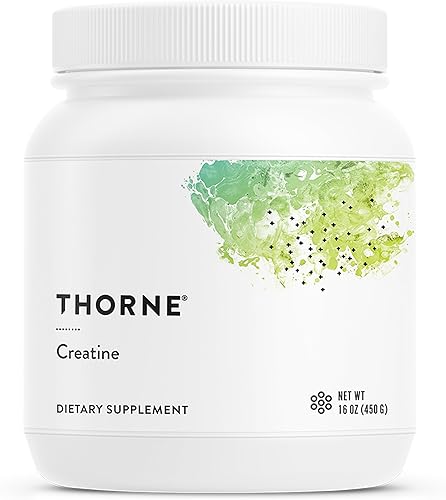
For women specifically: micronised creatine monohydrate (where the powder is ground to smaller particles) mixes more easily in water or other liquids, which addresses the only legitimate practical complaint about the standard form. A plain, unflavoured, third-party tested monohydrate powder remains the evidence-based choice. This recommendation aligns with what the metabolic health pillar principles emphasise throughout: the hierarchy of evidence over marketing.

How to Take Creatine: Timing, Loading, Hydration, and What to Expect
The most important variable is not when you take creatine — it is whether you take it consistently every day. Cellular saturation builds over 28 days of daily intake at the maintenance dose and is maintained as long as supplementation continues. Missing occasional days has a minor effect; going several weeks without it allows levels to return to baseline.
Timing
On training days, post-workout is the optimal window — within 30 minutes of finishing your session. Muscle contraction improves blood flow to the tissue and elevates insulin sensitivity, which enhances creatine uptake. On rest days, taking creatine with your largest meal achieves the same effect through the insulin response to food. The difference between perfect timing and approximate timing is small; the difference between daily supplementation and inconsistent supplementation is large.
Loading Phase
A loading phase (20g/day in four divided doses of 5g for five days) accelerates the timeline to full saturation from 28 days to approximately 5–7 days. It is only recommended for the muscle-building goal. For all other goals, there is no clinical justification for loading — the steady-state outcome at 28 days is identical whether a loading phase was used or not, as Rawson and Volek established in their comparison of loading versus gradual protocols. Rawson & Volek, 2003 — PubMed Loading does increase the likelihood of gastrointestinal side effects in some women — bloating and loose stools — which is another reason to skip it unless the speed of saturation is genuinely a priority.
Hydration
Creatine draws water into muscle cells osmotically. Increase daily water intake by 300–500ml when starting supplementation. This is not optional — inadequate hydration during the first two weeks of creatine use is the primary cause of the headaches and muscle cramping that some women report and incorrectly attribute to the supplement itself.
What to Expect in Weeks 1–2
The scale will likely show an increase of 0.5–1.5kg within the first week. This is intracellular water weight, not fat, and is a sign the supplement is working. Strength and endurance improvements typically become noticeable at weeks 3–4 once cellular saturation is approaching full. Cognitive effects (improved working memory, reduced mental fatigue) may be felt somewhat earlier, typically within 14–21 days.
Frequently Asked Questions
How much creatine should a woman take per day?
The evidence-based daily maintenance dose for women is 3–3.5g of creatine monohydrate per day. Women who train 4 or more days per week benefit from the higher end of this range. This is lower than the 5g/day figure commonly cited in general guidance — which is based largely on studies conducted in men. Women have less muscle mass on average and therefore require a proportionally lower dose to achieve cellular saturation.
What is the best creatine for women?
Creatine monohydrate is the only form with consistent, replicated clinical evidence in women. Alternatives including creatine ethyl ester, creatine HCl, buffered creatine (Kre-Alkalyn), and creatine nitrate have not demonstrated superior efficacy in controlled trials and often cost significantly more. When selecting a monohydrate product, look for micronised creatine with no added sweeteners, colours, or fillers — and confirm it carries third-party testing certification.
Is creatine safe for women over 40?
Yes. Multiple randomised controlled trials involving women over 40 and postmenopausal women have found creatine monohydrate to be safe and well-tolerated. In the context of perimenopause and early menopause, creatine is particularly relevant because declining oestrogen accelerates muscle loss and creatine directly supports muscle protein synthesis and phosphocreatine replenishment. The most commonly cited concern — kidney stress — has not been supported in trials involving people with normal kidney function. People with existing kidney disease should consult a doctor before supplementing.
Does creatine cause weight gain in women?
In the first 1–2 weeks, creatine supplementation typically causes an increase of 0.5–1.5kg on the scale. This is water weight, not fat — creatine is osmotically active and pulls water into muscle cells alongside it. This intracellular water retention is part of how creatine works: greater cell hydration improves the environment for muscle protein synthesis. After the first two weeks, any further weight change reflects genuine muscle gains from training rather than water accumulation.
Should women do a creatine loading phase?
A loading phase — 20g/day split across four doses for five days — is only warranted if the primary goal is muscle building and the aim is to reach full cellular saturation quickly. For cognitive function, perimenopause support, or general health goals, a loading phase is unnecessary. Consistent daily intake of 3g achieves full muscle saturation within 28 days regardless of whether a loading phase was used. The loading protocol increases gastrointestinal side effects (bloating, cramping) in some women and offers no additional long-term benefit.
Can pregnant or breastfeeding women take creatine?
There is insufficient clinical trial data on creatine supplementation during pregnancy and breastfeeding to make a firm recommendation either way. Some animal research suggests potential neonatal benefits, but this has not been translated to human trials with adequate safety data. The standard guidance is to avoid supplementation during pregnancy and breastfeeding unless specifically directed by a doctor who is aware of your full health picture.
When should women take creatine — morning or post-workout?
Timing matters less than consistency. The most practical approach is: take creatine post-workout (within 30 minutes) on training days, and with your largest meal on rest days. Post-workout timing is associated with marginally better muscle uptake in the research, likely because training increases blood flow to muscle and insulin sensitivity is elevated. On days with no training, the precise timing has minimal impact — the goal is simply to maintain daily intake without gaps.