
Two framings dominate the GLP-1 vs berberine conversation online: that GLP-1 is simply a more powerful version of berberine, or that berberine is nature's Ozempic — the same thing but natural. Both framings are wrong, and both lead people toward decisions that do not match their actual situation. The comparison tool above applies the evidence to your specific goal. What follows explains the research behind each category — so you understand the reasoning, not just the verdict.

How GLP-1 Agonists Work: Gut Hormone Signalling and Appetite Suppression
GLP-1 (glucagon-like peptide-1) is a hormone produced in the gut in response to food intake. When you eat, L-cells in the small intestine release GLP-1, which signals the pancreas to release insulin, suppresses glucagon, slows the rate at which food moves through the stomach, and sends satiety signals to the hypothalamus. The net result: lower post-meal blood sugar, a prolonged feeling of fullness, and reduced appetite.
GLP-1 agonist drugs — semaglutide (Ozempic, Wegovy), liraglutide (Saxenda, Victoza), and tirzepatide (Mounjaro) — are synthetic molecules designed to bind the same GLP-1 receptors and produce the same cascade at a sustained, pharmacological level. Native GLP-1 breaks down in the bloodstream within minutes; the drug versions are engineered to resist that degradation, maintaining receptor activation for days at a time.
The STEP 1 trial, published in the New England Journal of Medicine in 2021, found that weekly semaglutide 2.4mg produced an average body weight reduction of 14.9% over 68 weeks compared to 2.4% with placebo. Wilding et al., STEP 1 — NEJM/PubMed This is the foundation of the 10–15% figure in the comparison table above. For a full breakdown of what to expect and when, the GLP-1 weight loss timeline guide covers the week-by-week evidence in detail.
The side effects of GLP-1 drugs are predominantly gastrointestinal — nausea, vomiting, and constipation are reported in 30–50% of users in the first four weeks of titration, then diminish for most people. Rarer but more serious adverse events include pancreatitis and gallbladder disease. GLP-1 drugs require a prescription in both the UK and US, and branded versions are expensive — typically hundreds to over a thousand dollars per month without insurance. Compounded versions are available in some markets at lower cost, though regulatory status varies.

How Berberine Works: AMPK Activation and Cellular Insulin Sensitivity
Berberine's primary mechanism is the activation of AMPK — adenosine monophosphate-activated protein kinase. AMPK is often described as a cellular energy sensor: when the ratio of AMP to ATP in a cell rises (indicating low energy status), AMPK switches on pathways that generate ATP and switches off pathways that consume it. One of the things AMPK does when activated is improve insulin sensitivity at the cellular level — it increases glucose transporter expression on cell membranes, allowing cells to take up blood glucose more efficiently without requiring as much insulin.
This is categorically different from what GLP-1 agonists do. GLP-1 drugs work from the gut outward — they modify the hormonal signals that travel between the gut and the brain and pancreas. Berberine works from the cell inward — it modifies how individual cells process energy and respond to insulin. The fact that both reduce blood sugar is a shared outcome, not evidence of a shared mechanism. Calling berberine "natural Ozempic" is approximately as accurate as calling aspirin "natural ibuprofen" — the outcomes overlap but the biology is different.
Berberine also modestly inhibits the enzyme DPP-4, which breaks down native GLP-1 — meaning it does have a small indirect effect on the GLP-1 pathway. But this is not its primary mechanism, it is minor, and it does not produce the magnitude of GLP-1 receptor activation that pharmaceutical agonists achieve.
A 2012 meta-analysis examining berberine trials in type 2 diabetes found it reduced HbA1c by 0.9–1.4% and fasting blood glucose by comparable margins to metformin in several direct comparison trials. Dong et al., 2012 — PubMed These are clinically meaningful numbers — not negligible. But the evidence base is smaller than for GLP-1 drugs, most trials have been conducted in China, and trial durations have generally been short.
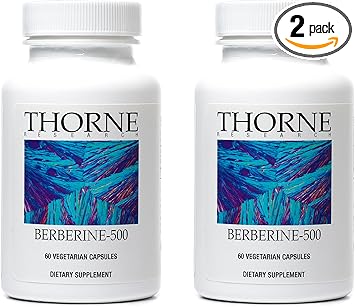
Thorne Berberine-500 — pharmaceutical-grade, NSF Certified for Sport. The berberine supplement with the strongest third-party quality credentials.
View on Amazon →
Clinical Evidence: Weight Loss, Blood Sugar, and PCOS Data Side by Side
The weight loss data is where the difference between GLP-1 and berberine is most pronounced. The STEP 1 trial with semaglutide 2.4mg showed 14.9% average body weight reduction over 68 weeks. A Cochrane-adjacent meta-analysis of berberine for weight management found average reductions of 3–5% over 8–12 weeks. These figures are not directly comparable — different trial durations, populations, and endpoints — but the gap in magnitude is large enough to be clinically relevant when choosing between them for weight loss as a primary goal.
For blood sugar control, the difference is smaller. GLP-1 drugs show HbA1c reductions of 1.5–2% in clinical trials for type 2 diabetes. Berberine trials show reductions of 0.9–1.4%. Both are meaningful. The clinical preference for GLP-1 in type 2 diabetes is partly because of additional benefits beyond blood sugar — cardiovascular risk reduction, demonstrated in the LEADER (liraglutide) and SELECT (semaglutide) trials — that berberine has not replicated in large cardiovascular outcome trials.
For PCOS, the clinical picture is more nuanced. PCOS involves a combination of insulin resistance, elevated androgens, and often disrupted ovulatory function. GLP-1 agonists address both the insulin resistance and weight components, with trials showing improvements in menstrual regularity, androgen levels, and ovulation rates. Berberine has PCOS-specific trial data showing improvements in insulin sensitivity, LH/FSH ratio, testosterone, and menstrual frequency — but the trials are smaller and the evidence base thinner. For women exploring treatment options, the best GLP-1 for PCOS guide covers the clinical evidence for individual agents in this context.
On safety, both agents have manageable side effect profiles, with GI complaints dominating for both. The critical difference is that GLP-1 drugs carry rare but serious risks (pancreatitis, potential thyroid C-cell effects in animal models) that berberine does not. Berberine's primary safety concern is additive hypoglycaemia risk when combined with metformin, insulin, or other blood-sugar-lowering agents.

Decision Framework: Who Should Consider GLP-1 vs Who Should Consider Berberine
The persona filter at the top of this page applies the following logic, which reflects the current evidence. It is a starting framework — not a clinical prescription.
Type 2 diabetes diagnosis
GLP-1 agonists are the evidence-based choice. The combination of superior HbA1c reduction, cardiovascular outcome data, and weight loss magnitude makes them the preferred pharmacological option in current diabetes treatment guidelines. Berberine is not a guideline-recommended treatment for type 2 diabetes, despite its meaningful blood sugar effects.
BMI above 35, primary goal is weight loss
GLP-1 agonists are significantly more effective. The magnitude of weight loss at BMI above 35 with semaglutide (10–15%) is in a different category from what berberine produces. If prescription access or cost is a barrier, berberine can support metabolic health in the interim, but it is not a substitution for clinical weight management at this level of obesity.
PCOS management
Berberine has strong RCT data for PCOS specifically — reducing fasting insulin, lowering androgens, and improving menstrual regularity in ways comparable to metformin. If GLP-1 access is available, it offers greater weight loss benefit. If access is limited, berberine is a well-evidenced natural alternative.
Budget-constrained or needle-averse, mild metabolic dysfunction
Berberine is the more practical and appropriate choice. At a small fraction of the cost of branded GLP-1, berberine delivers meaningful metabolic benefits — improved insulin sensitivity, modest weight loss, blood sugar support — at a fraction of the cost and without a prescription or injections.
Want to combine both
Early clinical thinking suggests berberine may complement GLP-1 use by independently activating AMPK and supporting gut microbiome changes that stimulate natural GLP-1 production. Some integrative physicians use both — GLP-1 for rapid weight loss, with berberine maintaining insulin sensitivity and supporting long-term metabolic health after GLP-1 is stopped. Do not combine without speaking to your prescribing doctor first, given the theoretical risk of additive blood sugar lowering.
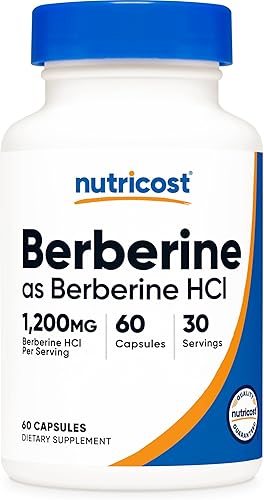
Nutricost Berberine HCl 1200mg — third-party tested, gluten-free, non-GMO. A solid budget pick for those starting a berberine protocol.
View on Amazon →Frequently Asked Questions
Is berberine the same as Ozempic or a natural version of it?
No. Berberine and GLP-1 agonists like semaglutide work through entirely different biological mechanisms. GLP-1 drugs mimic the gut hormone GLP-1, binding to GLP-1 receptors to suppress appetite and slow gastric emptying. Berberine activates AMPK — an enzyme that regulates cellular energy metabolism and improves insulin sensitivity. The outcomes overlap (both reduce blood sugar and body weight), but the mechanisms, potency, and clinical evidence are distinct. Calling berberine "nature's Ozempic" obscures these differences in ways that can lead to poor treatment decisions.
How much weight can you lose with berberine vs GLP-1?
Clinical trial data shows a meaningful difference in magnitude. Semaglutide produced an average body weight reduction of 14.9% over 68 weeks in the STEP 1 trial. Berberine meta-analyses show average weight loss of 3–5% over 12 weeks. For people with a BMI above 35 or a type 2 diabetes diagnosis, the evidence strongly favours GLP-1 for weight reduction. For people with mild metabolic dysfunction, berberine offers meaningful benefit at far lower cost and without a prescription.
Can you take berberine and GLP-1 at the same time?
There is no strong clinical evidence on combining berberine with GLP-1 agonists. Both can lower blood sugar through different mechanisms, which raises a theoretical concern about additive hypoglycaemic effects — particularly if you are also taking metformin or insulin. Do not combine them without consulting the prescribing doctor who manages your GLP-1 treatment.
Is berberine effective for type 2 diabetes?
Berberine has a meaningful evidence base for type 2 diabetes. A 2012 meta-analysis found berberine reduced HbA1c by 0.9–1.4% and fasting blood glucose comparably to metformin in some studies. However, the evidence base is smaller than for GLP-1 drugs, most trials have been short-term, and berberine is not approved as a treatment for type 2 diabetes in the US or UK. For people with a confirmed T2D diagnosis, current clinical guidelines support GLP-1 agonists as a preferred pharmacological intervention.
What are the side effects of berberine?
The most common side effects are gastrointestinal: bloating, cramping, nausea, and loose stools affect approximately 30% of users, particularly in the first two weeks. These effects typically diminish with consistent use. Taking berberine with meals reduces GI side effects substantially. Rare but reported side effects include hypoglycaemia when combined with other blood-sugar-lowering agents. Starting at 500mg once daily with a meal (rather than the full twice-daily dose) allows the gut to adapt.
Is berberine or GLP-1 better for PCOS?
Both have data for PCOS, but for different reasons. Berberine has shown results comparable to metformin in PCOS-specific RCTs — reducing fasting insulin, lowering androgens, and improving menstrual regularity. GLP-1 is more effective for overall weight loss but does not directly target the androgenic drivers of PCOS. For women without GLP-1 access or tolerance for injections, berberine is often the first-line natural recommendation from integrative practitioners. The best GLP-1 for PCOS guide covers the clinical evidence for specific agents in more detail.