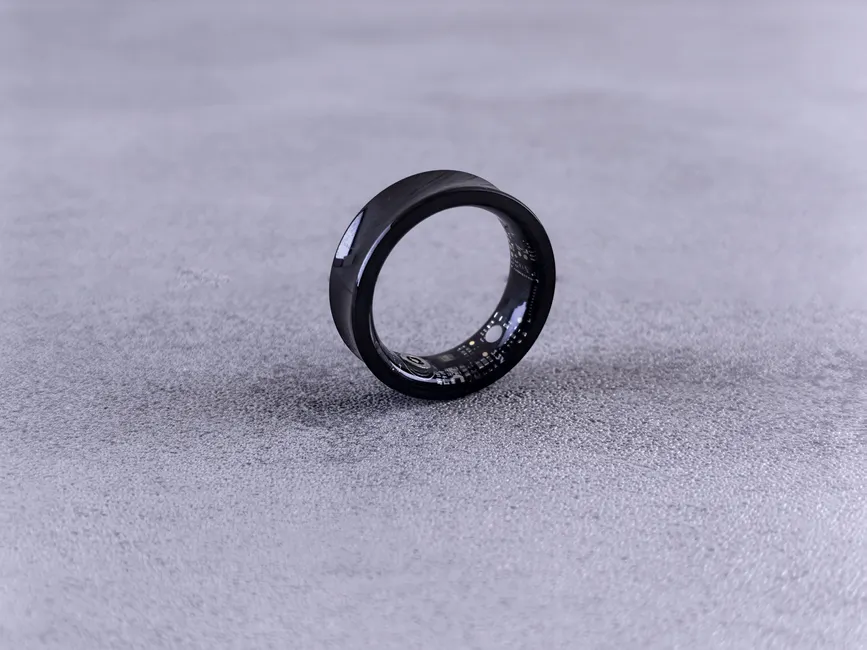
Choose WHOOP 5.0 if you train with structure and want a device that scores your daily strain and coaches your recovery — it has the better workout analysis and a 12–14 day, never-remove battery. Choose the Oura Ring 4 if your priorities are sleep, daily readiness, and women's health tracking — it has more independent validation and the cleaner overnight signal from a finger sensor. Both require an ongoing subscription, so the real decision is recovery coaching vs readiness awareness, on your wrist vs your finger.
The honest way to frame Oura vs WHOOP isn't "which is better." It's "which question are you asking your body every morning?"
WHOOP asks: how hard can I push today? It's built like a coach for an athlete — obsessed with strain, recovery, and load management. Oura asks: is my body in good shape to take on the day? It's built like a biologist — focused on sleep quality, temperature, and physiological readiness. Same category, genuinely different philosophies. Pick the wrong one and you'll have a very capable device answering a question you weren't asking.
Most "I wear both" comparisons online are honest about feel but skip the evidence — they'll tell you which they preferred without once citing whether the accuracy claims hold up. We're research-led, not a hands-on lab (here's how we evaluate), so we'll do the opposite: ground the accuracy question in the published validation, total up the subscription cost both brands would rather you estimate later, and then match each device to the person it actually fits.

What Oura and WHOOP Are Actually Built For
On the surface they look similar: screenless wearables, no GPS of their own, multi-day batteries, an app you check each morning, and a subscription. Underneath, they're optimised for opposite users.
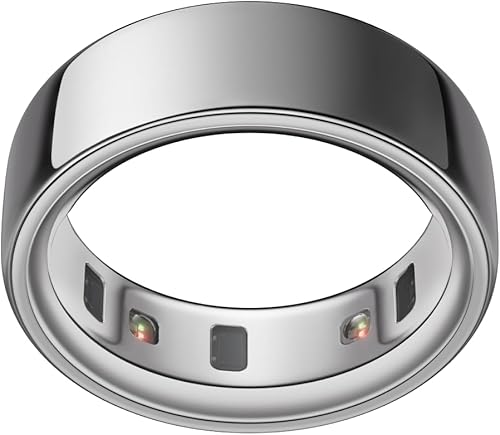
The Oura Ring 4 is a finger-worn health monitor. Six sensors track heart rate, HRV, blood oxygen, movement, and — crucially — skin temperature, all night, against your personal baseline. It produces a Sleep Score and a Readiness Score each morning, leans heavily into temperature-based features like illness detection and cycle tracking, and surfaces the data almost instantly on waking. It's a wellness-and-recovery instrument first.
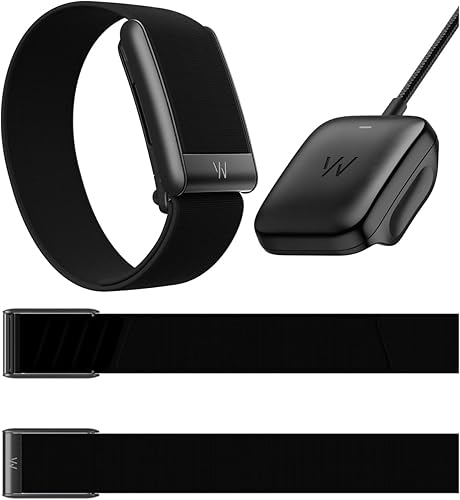
WHOOP 5.0 is a wrist- or arm-worn performance system. It continuously measures heart rate and HRV to generate two numbers that drive everything: a daily Strain score (how much cardiovascular load you've taken on) and a Recovery score (how ready your body is for more). Its Sleep Coach recommends a bedtime based on your accumulated strain. WHOOP 5.0 also added deeper health features like ECG and broader cardiovascular insights. It's a training-and-recovery instrument first.

Strain & Recovery: WHOOP's Home Turf
This is the category WHOOP was designed to win, and it does. If you follow a structured program — lifting, running blocks, interval work — WHOOP turns each day into two actionable numbers. Strain quantifies the cardiovascular cost of everything you did; Recovery, calculated overnight from HRV, resting heart rate, and sleep, tells you whether to push or back off. Over weeks, the loop genuinely helps prevent the classic mistake of training hard on a body that needed rest.
Oura isn't blind to activity — it auto-detects workouts, logs heart-rate zones, and folds training load into its Readiness Score ("yesterday's strain is why you're a bit lower today"). But its workout-specific analysis is lighter, and it isn't trying to coach your next session. It's telling you the state of the system, not prescribing the training.
So the verdict here is clean. For structured athletes who want load management: WHOOP 5.0. For people who want recovery awareness without a coaching layer: Oura Ring 4 does enough.

Sleep & Readiness: Oura's Edge
Both devices track sleep well — but Oura is the stronger sleep instrument, for three concrete reasons.
First, evidence. Oura is the most independently validated consumer sleep tracker (more on the studies below). Second, placement: the finger gives a cleaner overnight signal than a wrist, which matters for the HRV that underpins recovery scoring. Third, immediacy — Oura's Sleep and Readiness scores are usually ready the moment you wake, while WHOOP's data can take 30–40 minutes to fully populate. For a metric you check first thing, that delay is a small but real friction.
WHOOP counters with its Sleep Coach, which recommends a target bedtime based on your recent strain and sleep debt — a genuinely useful feature if you're training hard and need to hit a recovery target. But as a pure sleep-and-readiness tool, Oura's depth, speed, and validation win. For sleep-first buyers: Oura Ring 4.

Accuracy and the Finger-vs-Wrist Question
Both companies market accuracy hard. The independent evidence is uneven, and it's worth being precise about what's actually been shown.
Oura has the deeper validation record. A 2020 study in JMIR mHealth and uHealth (Mehrabadi et al.) found a strong correlation (r=0.86) between Oura's total sleep time and research-grade actigraphy, and a 2024 study in Sleep Medicine validated Oura's sleep-staging algorithm against multi-night polysomnography across 96 participants. The finger placement helps here: it sits closer to arteries than the wrist, reducing the motion artifacts that degrade an overnight signal.
WHOOP's wrist sensor is well regarded for continuous heart rate, but it inherits the limitation of all wrist optical sensors. A widely cited Stanford study (Shcherbina et al., 2017) found wrist-worn devices measured heart rate within about 5% — genuinely good — but estimated energy expenditure (calories) poorly across the board, and error rates rose with darker skin tone and higher BMI. That's not a knock on WHOOP specifically; it's the physics of reading blood flow through the wrist. The honest takeaway: trust both for heart-rate trends, trust Oura more for sleep, and treat any calorie number from either with healthy skepticism. Neither is a medical device.

Battery, Comfort, and the Subscription Math
On battery, WHOOP wins clearly: 12–14 days per charge, and its battery pack slides onto the band to recharge it without removing the device, so tracking never has a gap. The Oura Ring 4 lasts 6–8 days and must come off to charge for roughly 20–80 minutes — a small daily-life difference, but WHOOP's is the more seamless system.
Comfort is a genuine preference split. A ring is invisible and frictionless for most people — until it isn't right for your hands (lifting with a metal ring, certain jobs). A wrist band is familiar but more noticeable, though WHOOP's arm-band and clothing options help. There's no universal winner here; it's about your hands and your day.
Now the part both brands soft-pedal: this is a two-subscription showdown. WHOOP's model bundles the hardware into the membership — you're paying a recurring fee from day one. Oura charges for the ring upfront and then requires a membership to unlock its core features. Praise for either being "affordable" deserves the WiseGoodness question — affordable compared to what? Over two or three years, both add up well beyond the sticker, and the gap between them is smaller than the gap between either and a one-time-purchase device like the Garmin Forerunner 255. We don't publish live prices (they change too often), so check the current figure on each listing and total the membership across the years you'll actually use it.

The Verdict: Which Should You Buy?
Here's the whole comparison distilled, then the buy logic.
| Factor | Oura Ring 4 | WHOOP 5.0 |
|---|---|---|
| Worn on | Finger (ring) | Wrist or upper arm (band) |
| Core idea | Sleep & readiness | Strain & recovery coaching |
| Workout analysis | Basic (Activity Score) | Advanced (Strain coaching) |
| Sleep validation | Strongest independent record | Good, less published |
| Women's health | Strong (temp + Natural Cycles) | Limited |
| Battery | 6–8 days (remove to charge) | 12–14 days (never remove) |
| Subscription | Required (on top of ring) | Required (includes hardware) |
| Best for | Sleep, recovery awareness, cycle | Structured training & load management |
Buy WHOOP 5.0 if:
You train with structure and want strain and recovery to guide how hard you go. You value the 12–14 day, never-remove battery and want detailed workout analysis. You're comfortable with a subscription-first model where the membership is the product. Find the WHOOP 5.0 on Amazon.
Buy Oura Ring 4 if:
Your priorities are sleep quality, daily readiness, and (for many buyers) cycle and women's health tracking. You want the most independently validated sleep data and a screenless ring you forget you're wearing. You accept paying for the ring plus a membership. Find the Oura Ring 4 on Amazon — and order a sizing kit first.
If neither framing fits — if you mainly want GPS workouts, a screen, and notifications — a ring-or-band comparison is the wrong aisle entirely. See Oura Ring vs Apple Watch and WHOOP vs Apple Watch for the smartwatch trade-off, or browse the full health technology hub on WiseGoodness.
Frequently Asked Questions
For sleep and HRV, the Oura Ring has the stronger independent evidence — a 2020 validation found a strong correlation (r=0.86) with research-grade actigraphy for total sleep time, and the finger sits closer to arteries than the wrist. WHOOP's wrist sensor is well regarded for heart rate, but wrist optical sensors are more affected by movement, and a Stanford study found wrist devices accurate for heart rate yet poor at estimating calories. Both track meaningful trends; neither is a medical device.
For structured training, generally yes. WHOOP is built around strain and recovery coaching — it scores each day's load and tells you how hard to train tomorrow, with detailed workout analysis. Oura tracks activity and gives a Readiness Score, but its workout-specific analysis is lighter. If you follow a program and want your wearable to manage load, WHOOP fits better; if you mainly want sleep and recovery awareness, Oura is the stronger pick.
Yes — this is the rare comparison where both charge an ongoing membership. WHOOP's model is subscription-first: the membership includes the hardware. Oura sells the ring upfront and then requires a separate membership to unlock sleep stages, readiness, and HRV. Either way you're committing to a recurring fee, so compare the multi-year total cost, not just the entry price.
Yes, and some data-focused users do — Oura on a finger for sleep and temperature, WHOOP on the wrist or arm for strain and recovery. There's no technical conflict. The honest question is whether two overlapping subscriptions are worth it; for most people, one device chosen to match their primary goal is the better value.
WHOOP leads: 12–14 days per charge, and its battery pack slides onto the band to charge it without removal, so tracking never stops. The Oura Ring 4 lasts about 6–8 days and must be taken off to charge for around 20–80 minutes. Both comfortably outlast a smartwatch, but WHOOP's no-removal charging is the more seamless system.
Oura has the edge for sleep — more published validation against polysomnography, a cleaner overnight signal from the finger, and Readiness data ready almost immediately on waking. WHOOP also tracks sleep well and adds a Sleep Coach that recommends a bedtime based on strain, but its data can take 30–40 minutes to populate after waking. For sleep-first buyers, Oura is the stronger choice.