Build your exact cold plunge protocol
Based on Dr Søberg's research and the Huberman Protocol. Answer 5 questions — get a precision cold exposure plan matched to your goal, experience, and available setup.
Cold water immersion carries risks including hypothermia, cardiac shock, and drowning. Always enter cold water gradually. Never cold plunge alone as a beginner. Consult a doctor before starting if you have cardiovascular disease, Raynaud's syndrome, or are pregnant.
Cold plunge protocol builder tools promise a lot. The research behind cold water immersion is genuinely compelling — measurable increases in norepinephrine and dopamine, brown adipose tissue activation, accelerated muscle recovery — but the popular framing often collapses the nuance in ways that produce either underwhelming results or unnecessary risk. This guide and the builder above are designed to give you a structured, evidence-grounded starting point. They are not a medical prescription, and cold water immersion carries real cardiovascular risk for people with certain conditions. If you have a history of heart disease, Raynaud's disease, uncontrolled hypertension, or are pregnant, consult your doctor before starting any cold exposure protocol.
Use the cold plunge protocol builder at the top of this page to generate your personalised 4-week plan. The sections below explain the physiological mechanisms behind each element of the protocol — so you understand not just what to do, but why the specific temperatures, durations, and breathing techniques are structured the way they are.
How Cold Exposure Actually Works: The Physiological Mechanism
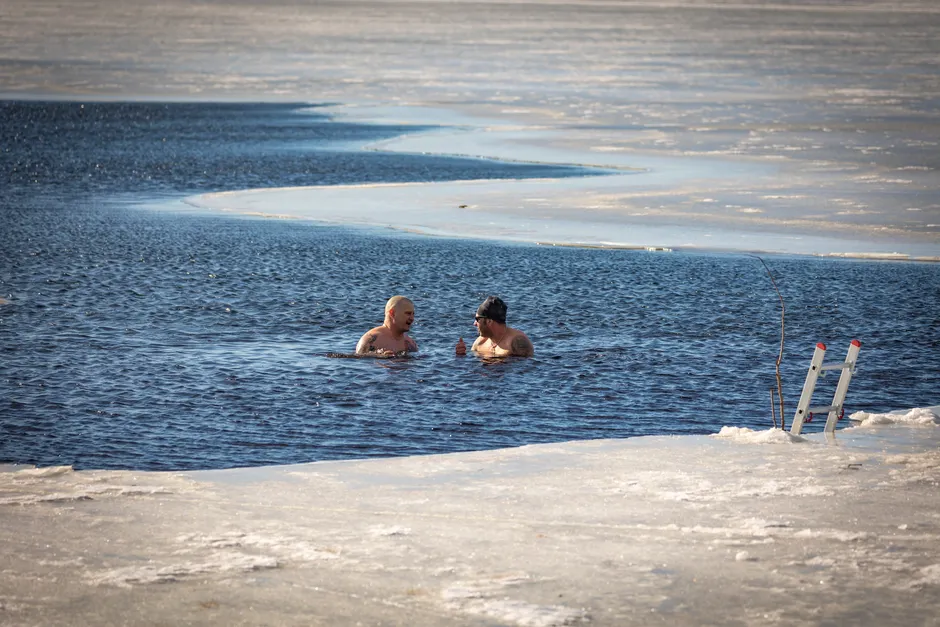
The most persistent misconception in the cold plunge space is that cold showers produce the same effects as full cold water immersion. They do not. The difference is submersion depth and the resulting vascular surface area exposed to cold. A cold shower contacts roughly 15–20% of the body's surface area at any moment, and the water rapidly approaches body temperature on contact. A cold plunge or cold bath immerses the full torso, activating a substantially larger vascular network and maintaining cold contact continuously.
This matters because the primary physiological drivers of cold water immersion benefits — norepinephrine release, brown adipose tissue activation, and the vasoconstriction-vasodilation cycle — all depend on the magnitude of cold stress applied to the body. Cold showers produce a mild version of these responses. Full immersion at water temperatures below 15°C produces the pronounced version documented in published research.
Norepinephrine: Cold water immersion at 14°C triggers a norepinephrine increase of approximately 300% above baseline. Norepinephrine functions simultaneously as a neurotransmitter and a hormone — driving the focused attention and mood elevation that cold plunge practitioners report, while also activating brown adipose tissue and increasing metabolic rate. The spike is acute, but with repeated exposures the baseline norepinephrine tone appears to shift upward, contributing to the improved stress tolerance that regular cold plungers report over weeks. Søberg et al., 2021 — PubMed
Dopamine: Post-cold-plunge dopamine increases of approximately 250% have been measured in research settings. Unlike the sharp spike-and-crash pattern of most dopaminergic stimuli, cold-plunge-derived dopamine elevation is sustained — lasting hours rather than minutes — and is accompanied by increased serotonin. This neurochemical profile explains the consistent reports of improved mood, reduced anxiety, and enhanced motivation that follow regular cold water immersion practice.
Brown adipose tissue (BAT) activation: Unlike white adipose tissue, which stores energy, brown adipose tissue generates heat by burning it — a process called non-shivering thermogenesis driven by uncoupling protein 1 (UCP1). Adults retain meaningful quantities of BAT primarily in the supraclavicular region, and regular cold exposure both activates existing BAT and appears to stimulate its expansion. The Søberg et al. 2021 study demonstrated BAT activation from cold water immersion protocols averaging just under 11 minutes per week — the threshold that informed the protocol parameters used in this builder.
Vasoconstriction-vasodilation cycle: On cold entry, peripheral blood vessels constrict sharply, directing blood to the core to protect vital organs. This is the body's cold shock response. After exiting the water, vasodilation follows as the body rewarns — creating an active circulatory flush that is part of the recovery mechanism underlying cold immersion's effects on muscle soreness. The contrast between these two states is also what makes ending a sauna session with cold immersion particularly effective for vascular conditioning.
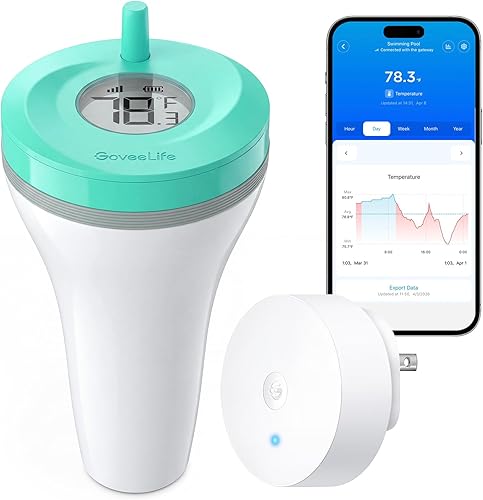
Cold plunge thermometer — monitor your water temperature accurately from your phone. Knowing your exact plunge temperature is the single most important variable for following a progressive protocol.
View on Amazon →
Cold Plunge Temperature and Time: What the Evidence Actually Supports
The two most-asked questions about cold water immersion practice are how cold and how long. The research gives clearer answers than most popular guides acknowledge, and they are not always the answers cold plunge enthusiasts want to hear.
On temperature: the meaningful threshold appears to be below 15°C (59°F). At 15°C and above, the cold shock response is attenuated, and the magnitude of norepinephrine and BAT activation is substantially lower than at 10–14°C. Most published protocols use water temperatures in the 10–15°C range. The protocol builder in this guide uses the following starting temperatures by experience level: 18°C for complete beginners (cold exposure naive), 15°C for those who have tried a few sessions, 13°C for those with regular cold shower practice, and 10°C for those with an established plunge practice. These temperatures then decrease progressively over 4 weeks.
Rhonda Patrick's synthesis of the cold immersion literature references 11°C as the temperature at which the most robust effects are documented, with 57 cumulative minutes per week (approximately 8 minutes per session across 7 sessions) producing near-maximal BAT activation. This is a high-volume protocol appropriate for advanced practitioners. The 11 minutes per week finding from Søberg et al. 2021 represents a more accessible minimum effective dose — enough to produce measurable metabolic changes in people just beginning a cold water practice. Søberg et al., 2021 — PubMed
On duration: below the 15°C threshold, duration matters more than temperature for accumulating total cold stress. A 4-minute plunge at 13°C delivers more metabolic stimulus than a 1-minute plunge at 10°C. This is why the protocol builder progressively increases duration across the four weeks rather than dropping temperature aggressively from week to week. The temperature does decrease — by 2°C in week 2, an additional degree in week 3, and 2 more degrees in week 4 — but the duration increases in parallel, and it is the combination of the two that drives adaptation.
A word on the cold shower comparison: water temperature out of a tap in most households is 10–20°C depending on season and location. At its coldest, a fully cold shower can approach the lower end of this range — but the contact pattern, body positioning, and psychological engagement differ substantially from immersion. The deliberate nature of entering and remaining in cold water is itself a meaningful component of the practice, distinct from the neurochemical response. For people exploring our longevity pillar, cold water immersion sits alongside sleep optimisation, exercise, and metabolic health as a modifiable lever with genuine evidence behind it.

The Sauna and Cold Plunge Routine: Contrast Therapy and the Søberg Protocol
Contrast therapy — alternating between heat (sauna, hot tub) and cold (cold plunge, cold bath) — has a longer history than either practice in isolation. Finnish bathing culture has used sauna-to-cold transitions for centuries, and the physiological rationale is well supported.
The Susanna Søberg protocol, derived from her 2021 research on cold water immersion and brown adipose tissue, makes a specific recommendation about sequencing: end with cold rather than heat. The reasoning is metabolic — finishing cold keeps the body in an active thermogenic rewarming state, maximising the caloric expenditure and BAT activation that follow immersion. Finishing with sauna shifts the body toward parasympathetic recovery and passive rewarming, which is beneficial for sleep and recovery but reduces the metabolic training stimulus.
The practical recommendation from the Søberg protocol: 2 sauna sessions followed by 1 cold water immersion session per cycle, ending always with cold. The sauna temperature used in most Finnish research is 70–90°C for 10–20 minutes. The cold transition that follows amplifies the norepinephrine response because of the temperature contrast — the delta between body core temperature (elevated by sauna) and water temperature creates a larger sympathetic activation than cold water immersion from a neutral baseline.
For people without sauna access, the protocol builder in this guide produces a standalone cold plunge programme. The benefits are meaningful without contrast therapy — particularly for the neurochemical and resilience-training effects, which are more dependent on the voluntary nature of cold entry than on temperature contrast per se.
Timing relative to exercise matters. For recovery purposes, cold water immersion is most effective 10–15 minutes post-exercise rather than immediately, giving the acute inflammatory response to exercise a brief window to initiate. For sauna-cold routines, performing the contrast cycle on a rest day or at least 4 hours after strength training avoids the potential blunting of anabolic signalling discussed in the next section. For a broader view of how recovery practices connect to measurable health markers, the health tech tools section of this site covers wearables and tracking approaches that can help you monitor your response to protocols like this one.
Cold plunge thermometer — a waterproof Bluetooth thermometer lets you monitor your barrel or bath temperature remotely and log session data without getting out of the water.
View on Amazon →
Cold Plunge Before or After a Workout: What the Evidence Shows
The timing question generates more debate than almost any other aspect of cold water immersion practice, and it deserves a direct answer based on what the research actually shows rather than the simplifications that circulate on social media.
The recovery argument for post-workout cold plunging is well supported. Cold water immersion after endurance or team-sport exercise consistently reduces perceived muscle soreness, attenuates the post-exercise drop in performance on subsequent sessions, and accelerates self-reported readiness to train. The mechanism is primarily the reduction of inflammatory mediators and muscle protein breakdown in the early recovery window. Peake et al., 2017 — PubMed
The hypertrophy argument against post-workout cold plunging is more nuanced than it is usually presented. Several trials have found that cold water immersion immediately after resistance training blunts the mTOR (mechanistic target of rapamycin) signalling pathway that drives muscle protein synthesis — the cellular mechanism by which resistance training stimulus is converted into muscle growth. Some trials have shown a 10–15% reduction in hypertrophy in groups cold-plunging immediately after every strength session compared to those who did not. The effect is real but small, and it depends heavily on timing: allowing 4–6 hours between strength training and cold immersion appears to largely eliminate it.
Practical guidance by goal:
- If your goal is muscle recovery from endurance or sport: cold plunge 10–15 minutes post-exercise at 10–15°C for 2–4 minutes. The evidence is consistently supportive.
- If your goal is maximising muscle hypertrophy from strength training: either avoid cold plunging on strength training days, or wait at least 4–6 hours post-session before immersion.
- If your goal is mental resilience, metabolic activation, or immune support: timing relative to training is less critical. Morning cold plunges are commonly preferred for the neurochemical alerting effect; evening plunges are reported to improve sleep quality in some practitioners (likely through the post-rewarming core temperature drop that facilitates sleep onset).
Pre-workout cold plunging — plunging before training — is less studied but shows some evidence for improved alertness and pain tolerance during the subsequent session, likely through the norepinephrine and dopamine elevation. It is not recommended as a default approach because the cold shock response and subsequent rewarming represent a physiological load that may reduce training performance in the first 15–20 minutes, particularly for power and strength outputs.
Cold plunge thermometer — accurate water temperature measurement is the foundation of any progressive cold exposure protocol. This Govee Bluetooth sensor monitors your plunge tub or barrel from your phone.
View on Amazon →Frequently Asked Questions
What is a good cold plunge temperature for beginners?
For beginners who have tried cold exposure a few times, a starting temperature of 15°C (59°F) is appropriate. Those who have never tried cold exposure at all should start at 18°C (64°F). The goal in the first week is not to push the temperature as low as possible — it is to build the neural pattern of controlled, voluntary entry into cold water and practice the breathing technique that makes the experience manageable. Temperature can be progressively reduced in subsequent weeks as the cold shock response habituates.
How long should you stay in a cold plunge?
Research by Susanna Søberg and colleagues (2021) found that 11 minutes of total cold exposure per week — split across multiple sessions — is sufficient to activate brown adipose tissue and produce measurable metabolic adaptations. For beginners, 1–2 minutes per session is the recommended starting duration. Intermediate practitioners working at 13°C can progress to 3–4 minutes by week 3. Duration matters more than temperature once you are below the threshold for cold shock response (approximately 15°C). Extending sessions beyond 5–6 minutes produces diminishing returns on most documented benefits.
Should you cold plunge before or after a workout?
The timing depends on your primary goal. For muscle recovery after an endurance session, cold water immersion 10–15 minutes post-exercise at 10–15°C produces the strongest reduction in perceived soreness. For strength training, cold water immersion immediately post-session may blunt the inflammatory signalling required for hypertrophy, with some trials showing a 10–15% reduction in muscle growth in groups who cold-plunged after every strength session. If maximising muscle gain is the priority, allow 4–6 hours between strength training and cold immersion, or reserve cold plunging for non-lifting days.
Is sauna before or after cold plunge better?
The Susanna Søberg protocol ends with cold rather than heat when the goal is metabolic adaptation and brown adipose tissue activation. Finishing with cold keeps the body in a state of thermogenic rewarming. However, for recovery and parasympathetic activation, ending with heat can be more effective. The sauna-to-cold transition also produces a more pronounced norepinephrine spike than cold alone due to the temperature contrast. Practical recommendation: end with cold for metabolic and resilience goals; end with heat for recovery and sleep quality.
How often should you cold plunge?
The Søberg et al. 2021 protocol that demonstrated metabolic adaptation used approximately 5.7 sessions per week averaging 1.92 minutes each — totalling just under 11 minutes of cold exposure weekly. Most of the norepinephrine and dopamine benefits are present from 2–3 sessions per week at sufficient temperature and duration. This protocol builder caps Week 1 frequency at 3 sessions per week regardless of selected frequency, to allow the body to adapt before increasing load.
Does cold plunging burn fat?
Cold plunging activates brown adipose tissue, which generates heat by burning calories through non-shivering thermogenesis. Søberg et al. 2021 demonstrated that regular cold water immersion increases BAT activity measurably. However, the caloric expenditure from a typical cold plunge session is modest — roughly 50–150 calories depending on duration, temperature, and body composition. Cold exposure is not a weight-loss intervention in isolation. Its metabolic value is better understood as a contribution to insulin sensitivity and norepinephrine-driven metabolic rate elevation rather than direct fat burning.
How accurate is this cold plunge protocol builder?
The protocol is a structured starting point derived from published cold water immersion research, not a personalised medical prescription. Temperatures and durations are drawn from the ranges used in published trials and the Søberg et al. 2021 data on effective cold exposure thresholds. The builder cannot account for individual cold sensitivity, cardiovascular risk factors, medication interactions, or health conditions that affect the safety of cold water immersion. Consult your doctor before beginning any cold exposure protocol, particularly if you have heart conditions, Raynaud's disease, high blood pressure, or are pregnant.