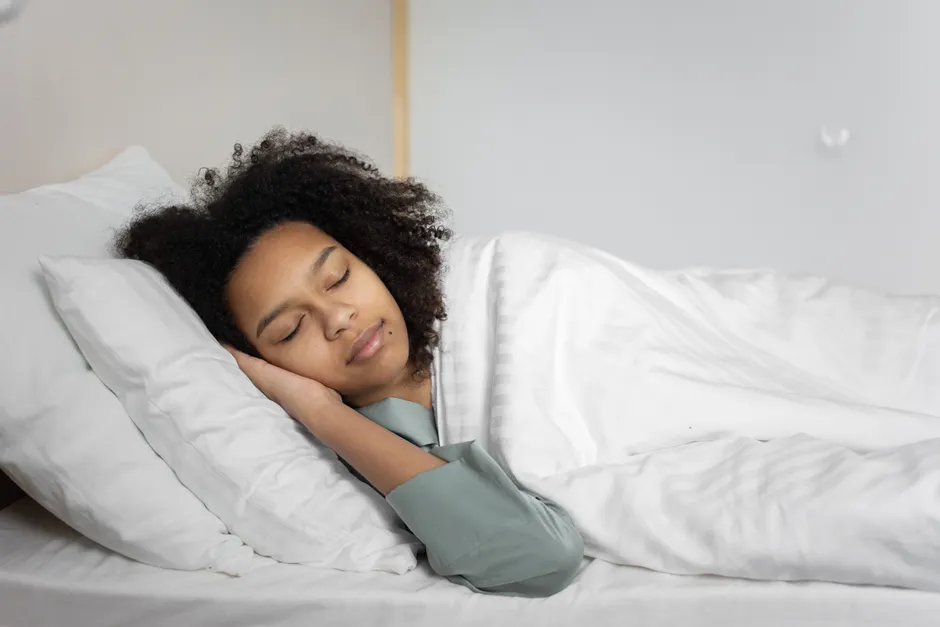
The most evidence-backed natural remedies for sleep apnea are: positional therapy (side sleeping reduces AHI by 50–70% in positional cases), weight loss (10% body weight reduction cuts AHI by ~26%), and oropharyngeal exercises — mouth and throat exercises that reduced AHI by 39% in a randomised controlled trial after just 3 months. Alcohol elimination and anti-inflammatory diet changes add meaningful but smaller benefits. These interventions work best for mild-to-moderate obstructive sleep apnea; severe OSA and structural anatomical causes require medical intervention.
Approximately 936 million adults worldwide have obstructive sleep apnea. Roughly 80% of moderate-to-severe cases remain undiagnosed. And of those who are diagnosed, a significant number are handed a CPAP machine and sent home with the implicit message that this is it — the only viable option, the permanent condition, the lifelong device.
That framing is not entirely wrong. CPAP remains the gold standard treatment for moderate-to-severe OSA, and anyone suggesting it can be casually replaced by essential oils or sleeping on a certain pillow hasn't read the evidence. But the narrative that natural remedies for sleep apnea are all noise and no signal is equally inaccurate — and it does a disservice to the large subset of patients for whom the underlying drivers of their OSA are genuinely modifiable.
Sleep apnea is not a single disease. It is an outcome — a recurring collapse of the upper airway during sleep — driven by a set of underlying factors that vary substantially between individuals. Weight, sleeping position, pharyngeal muscle tone, alcohol intake, inflammation, and structural anatomy all contribute. The modifiable ones can be meaningfully addressed. The question is which interventions have actual clinical evidence behind them, how large the effects are, and where the hard limits lie.
We cover the full landscape of sleep science and its relationship to biological ageing across our Longevity resource hub. Sleep is not a passive rest state — it is the primary maintenance window for the brain, cardiovascular system, and immune function. What happens in that window, and whether the airway stays open, shapes health outcomes across decades. Here is what the evidence shows about natural remedies that can make a measurable difference.

What Actually Causes Sleep Apnea — It's Not Just Anatomy
The standard explanation for sleep apnea is anatomical: the airway is too narrow, the tongue too large, the jaw too far back. While anatomy plays a role, this framing misses the most important point — anatomy is largely fixed, but the functional factors that trigger airway collapse during sleep are often not.
Obstructive sleep apnea (OSA) — which accounts for the vast majority of sleep apnea cases — occurs when the pharyngeal muscles lose sufficient tone during sleep to keep the airway patent. The tongue, soft palate, and lateral pharyngeal walls fall inward. The airway narrows or closes completely. Breathing stops for 10 seconds or more. The brain triggers an arousal — rarely to full consciousness, but enough to restore muscle tone and reopen the airway. This cycle repeats dozens or hundreds of times per night.
The Apnea-Hypopnea Index (AHI) measures these events per hour:
| AHI Range | Severity | Standard Treatment |
|---|---|---|
| 5–14 events/hour | Mild OSA | Lifestyle interventions, positional therapy |
| 15–29 events/hour | Moderate OSA | CPAP; natural interventions as adjunct |
| ≥30 events/hour | Severe OSA | CPAP or surgical intervention; natural as adjunct only |
The modifiable drivers of OSA are: excess adipose tissue narrowing the pharynx, low pharyngeal muscle tone (worsened by age, alcohol, and sedentary lifestyle), supine sleeping position (gravity pulls the tongue and soft palate posteriorly), systemic inflammation increasing tissue laxity, and upper airway congestion from allergies or nasal obstruction. Every natural remedy that actually works targets one or more of these mechanisms directly.

How Sleep Apnea Silently Damages Your Body
This matters because people with mild-to-moderate OSA often feel "fine." They're tired, sure. A bit foggy. Maybe their partner complains about the snoring. But the damage accumulating in the background is neither mild nor foggy.
Every apnea event is a brief hypoxic episode — a moment where blood oxygen falls, sometimes dropping below 90%. The sympathetic nervous system activates to force the arousal and restore breathing. Cortisol and adrenaline spike. Blood pressure surges. This happens dozens of times per hour, hundreds of times per night, 365 nights per year.
The downstream consequences are well-documented. Untreated OSA is associated with a 2-3 times higher risk of hypertension, significant elevation in cardiovascular event risk, measurable insulin resistance, and — particularly relevant for longevity — a 26% higher risk of cognitive decline and dementia. According to the National Heart, Lung, and Blood Institute, untreated severe sleep apnea also carries a 2-3 times higher all-cause mortality risk compared to treated or mild cases.
This is the reason getting the diagnosis right matters. And it is the reason that effective natural remedies — ones that actually reduce AHI rather than just making people feel better about their symptoms — belong in every conversation about sleep apnea management. Understanding how much cumulative sleep debt is building because of untreated apnea events can be assessed with the WiseGoodness Sleep Debt Calculator.

Positional Therapy — The Most Overlooked Natural Remedy
Here is the intervention that almost no one talks about first. Approximately 56% of obstructive sleep apnea patients have what is clinically classified as positional OSA — meaning their AHI is at least twice as high when sleeping on their back (supine) compared to on their side. In these patients, sleep position is the primary driver of airway collapse. Gravity is pulling the tongue and soft palate directly into the posterior airway.
The effect of switching from supine to lateral sleeping in positional OSA patients is not subtle. Studies consistently show AHI reductions of 50–70% — reductions that begin on the very first night, require no device, cost nothing, and have no side effects. For patients with mild positional OSA, side sleeping alone can bring AHI below the clinical threshold entirely.
The challenge is behavioural — most people rotate during sleep and end up supine. Practical solutions include:
The tennis ball technique
Sewing a tennis ball into the back of a sleep shirt creates physical discomfort when rolling supine, prompting a return to lateral position. Simple, free, and surprisingly effective — studies show positional compliance of around 70-80% after the initial adjustment period.
Vibration-feedback positional devices
Wearable devices that detect supine position and emit a gentle vibration prompt the sleeper to roll without fully waking. These have the highest compliance rates in studies, though they come at a cost. For mild-to-moderate positional OSA, they can produce outcomes comparable to CPAP in positional patients.

Weight Loss — The Most Powerful Natural Intervention
If you want one natural remedy for sleep apnea with the most robust, largest-magnitude, mechanism-level evidence — it is weight loss. Not as a moral observation. As a physiology fact.
Adipose tissue accumulates around the pharynx. It narrows the lumen — the open space in the airway — and reduces the structural rigidity of the surrounding tissue. The tongue itself enlarges with weight gain. The lateral pharyngeal walls thicken. A 10% increase in body weight is associated with a 6-fold increase in the risk of developing moderate-to-severe OSA, according to longitudinal data from the Wisconsin Sleep Cohort.
The Sleep AHEAD clinical trial — which enrolled 264 overweight and obese adults with type 2 diabetes and OSA — found that a 10.5% mean reduction in body weight produced a 26% reduction in AHI. Participants achieving the greatest weight loss saw the greatest AHI improvement. Importantly, effects appeared at every increment of weight loss, not just at a threshold — even 5–7% body weight reduction produced clinically meaningful AHI improvement.
A lot of people assume that exercise helps sleep apnea primarily through weight loss. The data suggests exercise has independent effects — possibly through improvements in neuromuscular tone, reduced upper airway inflammation, and better sleep architecture — though the weight loss component is the dominant driver. The two together are more powerful than either alone.
I'll be direct: this is the one area where "natural remedy" and "medical intervention" genuinely blur. For patients with OSA driven primarily by excess weight, addressing the root cause — the adipose tissue — is not a wellness lifestyle choice. It is the most evidence-based, mechanism-aligned treatment available. Everything else builds on it.

Diet, Alcohol, and Upper Airway Inflammation
Imagine a fire alarm that keeps going off every night because someone left the stove on. You can replace the batteries, upgrade the alarm, even soundproof the hallway. But as long as the stove stays on, the alarm keeps firing. That's alcohol and sleep apnea. You can layer on every other natural remedy — and some will help — but as long as alcohol is consumed within 3–4 hours of sleep, you're fighting the mechanism with one hand tied behind your back.
Alcohol is a central nervous system depressant that selectively relaxes pharyngeal muscles — the exact muscles responsible for maintaining airway patency during sleep. Even one to two standard drinks consumed within 3–4 hours of bedtime measurably increases apnea frequency, extends individual apnea duration, and deepens oxygen desaturation nadirs. This is not a matter of degree of drinking. It is a pharmacological effect at moderate, social-consumption levels.
Alcohol elimination or restriction to earlier in the day is consistently underemphasised in sleep apnea guidance. It should be the first dietary change, because its mechanism is direct and its effect begins the same night.
Anti-inflammatory eating pattern Moderate evidence
Systemic inflammation is associated with increased pharyngeal tissue laxity and higher OSA severity. A Mediterranean dietary pattern — rich in omega-3 fatty acids, polyphenols, and fibre, and low in processed foods and refined carbohydrates — is associated with lower OSA severity independent of weight in several observational studies. The mechanism likely involves reduced upper airway tissue inflammation and improved neuromuscular responsiveness.
Nasal congestion management Supporting evidence
Nasal obstruction from allergies or anatomical issues forces mouth breathing, which dramatically increases pharyngeal collapse risk. Nasal saline rinses, allergen reduction, and treating allergic rhinitis can meaningfully reduce OSA severity in patients for whom congestion is a contributing factor. This is a natural intervention with direct mechanistic logic and consistent clinical support.
Avoid sedatives and muscle relaxants Strong evidence
Sedating antihistamines, benzodiazepines, muscle relaxants, and some sleep aids act similarly to alcohol on pharyngeal muscle tone. Their use before sleep is mechanistically contraindicated in OSA patients. This includes common over-the-counter sleep aids containing diphenhydramine — the active ingredient in most nighttime allergy and sleep medications.

Oropharyngeal Exercises — The Natural Remedy Nobody Is Talking About
This is the one. If there is a natural remedy for sleep apnea that is simultaneously well-evidenced, free, and almost completely unknown outside specialist sleep medicine circles — it is myofunctional therapy. Also called oropharyngeal exercises. Also called, somewhat accurately, "singing exercises."
The mechanism is straightforward. OSA is fundamentally a failure of pharyngeal muscle tone during sleep. The muscles of the tongue, soft palate, and lateral pharyngeal walls relax beyond the point of airway maintenance. If you can increase the resting tone and neuromuscular recruitment capacity of these muscles through targeted exercise — the way any muscle responds to regular training — the airway stays more patent during sleep.
The landmark study was a 2009 randomised controlled trial by Guimarães et al., published in the journal CHEST. 31 adults with moderate OSA were randomised to either daily oropharyngeal exercises or sham exercises for 3 months. The oropharyngeal exercise group reduced their AHI by 39% and their snoring frequency by 36%. Neck circumference decreased by 2cm. Daytime sleepiness scores improved significantly.
A subsequent 2015 meta-analysis confirmed these findings across multiple studies, showing a ~50% reduction in AHI in adults and a 62% reduction in children — with the paediatric data particularly striking, given that children's pharyngeal muscles are more trainable.
The core exercise categories include:
Tongue exercises
Press the entire surface of the tongue firmly to the roof of the mouth (hard palate) and hold for 3–5 seconds. Repeat 20 times. Push the tongue against the floor of the mouth while keeping the tip touching the back of the lower front teeth. Slide the back of the tongue along the palate toward the throat. These exercises directly train the genioglossus — the primary tongue muscle responsible for maintaining airway patency.
Soft palate and uvula exercises
Pronounce the vowels "A," "E," "I," "O," "U" loudly and in an exaggerated manner, 20 times each. Practice inflating the cheeks and moving air from one side to the other with the lips sealed. These movements activate the tensor and levator veli palatini — muscles of the soft palate that are frequently undertoned in OSA patients.
Singing
This one surprised even sleep researchers. Regular singing — particularly sustained vowel practice and pitch variation — produces measurable reductions in snoring and mild-to-moderate OSA severity. The mechanism overlaps with the oropharyngeal exercise protocol: it trains the same pharyngeal and palatal muscles through repetitive, controlled muscle engagement. I try to do this in the car. Not because it sounds good. Because it works.
The minimum effective dose from studies is approximately 30 minutes per day of oropharyngeal exercises, 6–7 days per week, for at least 8–12 weeks before measurable AHI reduction is expected. Think of it the same way you'd think of any resistance training programme: results don't come in the first week, and consistency matters more than intensity.

Natural Remedies vs CPAP — Knowing the Limits
A lot of people frame this as an either-or choice. Either I try natural remedies, or I use CPAP. That framing is counterproductive and, in moderate-to-severe cases, potentially dangerous.
Here is the honest position: natural interventions work best for mild-to-moderate OSA with identifiable modifiable drivers. They produce real, measurable, peer-reviewed AHI reductions. They are not placebo. But they rarely reduce AHI to zero in moderate-to-severe cases, and in severe OSA the nightly oxygen desaturation and cardiovascular stress continues even if natural remedies bring some improvement.
The smarter framing is additive. Natural interventions make CPAP more effective, more tolerable, and sometimes unnecessary at lower AHI levels. Weight loss reduces the required CPAP pressure. Positional therapy reduces the number of events CPAP needs to manage. Oropharyngeal exercises improve pharyngeal tone so the airway is easier to splint. A patient who improves their AHI from 25 to 14 through lifestyle changes has moved from moderate to mild — a clinically meaningful shift even if they still require ongoing management.
| Intervention | Evidence Level | AHI Reduction | Best Candidate |
|---|---|---|---|
| Positional therapy | Strong | 50–70% | Positional OSA (56% of patients) |
| Weight loss (10%) | Strong | ~26% | Overweight/obese patients |
| Oropharyngeal exercises | Strong | 39–50% | Mild-moderate OSA, any weight |
| Alcohol elimination | Strong | Variable | Drinkers consuming within 4h of sleep |
| Nasal treatment (allergy, saline) | Moderate | 10–20% | OSA with nasal obstruction component |
| Anti-inflammatory diet | Moderate | 10–15% | Inflammatory phenotype |
| CPAP | Gold standard | 90–100% | All severity levels; essential in severe OSA |
According to research published by Tuomilehto et al. (2009), combining lifestyle intervention with weight loss in mild OSA patients produced complete resolution of OSA in 63% of participants at 1-year follow-up — a result no single natural remedy produces alone but that a combination approach can achieve. Never discontinue CPAP or decline a sleep study based on natural remedy use alone. Retest your AHI with a proper sleep study after 3–6 months of sustained natural intervention to see what has actually changed.
Frequently Asked Questions
Mild-to-moderate obstructive sleep apnea driven by modifiable factors — excess weight, poor sleep position, low pharyngeal muscle tone — can be significantly reduced and in some cases fully resolved through natural interventions. Studies show weight loss of 10% cuts AHI by ~26%, positional therapy can reduce AHI by 50–70% in positional cases, and oropharyngeal exercises reduce AHI by 39–50%. Severe OSA, central sleep apnea, and structurally driven cases with fixed anatomical causes require medical intervention — natural remedies are adjuncts, not replacements.
The evidence-ranked natural remedies are: (1) positional therapy — 50–70% AHI reduction in positional OSA patients, immediate onset; (2) weight loss — approximately 26% AHI reduction per 10% body weight lost; (3) oropharyngeal exercises — 39–50% AHI reduction after 8–12 weeks of daily practice. Alcohol elimination before bed is the fastest-acting individual change for drinkers. Combining all three produces additive effects that no single intervention can match.
Yes — it is the single most impactful natural intervention. The Sleep AHEAD trial found a 10.5% reduction in body weight produced a 26% reduction in AHI. The mechanism is structural: adipose tissue surrounding the pharynx narrows the airway and reduces tissue rigidity; removing it opens the airway. Even 5% weight loss produces measurable AHI improvement, and gains compound with each additional increment. For overweight or obese patients, weight loss is the first-line natural intervention by a wide margin.
Oropharyngeal exercises produce consistent, peer-reviewed reductions in AHI — 39% in a landmark RCT, approximately 50% in a subsequent meta-analysis — but "cure" is the wrong framing for most adult cases of moderate OSA. These exercises train the same muscles that lose tone during sleep and allow the airway to collapse. For mild OSA, the AHI reduction may be sufficient to bring the index below the clinical threshold. For moderate cases, they significantly reduce severity. 30 minutes per day, 6–7 days per week, for at least 3 months is the minimum effective protocol.
Yes — and for the 56% of OSA patients with positional apnea, it may be the single fastest and most effective intervention available. Lateral sleeping removes the gravitational pull on the tongue and soft palate that collapses the airway in the supine position. AHI reductions of 50–70% have been documented in positional OSA patients who maintain side sleeping throughout the night. Left-side sleeping is marginally superior. Positional devices, specially shaped pillows, and vibration-feedback wearables can help maintain the lateral position — our Airway Pro positional pillow review covers one option in detail. Side sleeping also reduces nocturnal acid reflux, a condition whose risks we cover in can you die from acid reflux in your sleep?
Significantly worse. Alcohol selectively relaxes pharyngeal muscles — exactly the muscles responsible for keeping the airway open — through its central nervous system depressant action. Even 1–2 drinks within 3–4 hours of bed measurably increases apnea frequency, lengthens individual apnea events, and deepens oxygen desaturation. Alcohol elimination before sleep is the simplest and most immediate dietary change for OSA patients, and it takes effect from the very first night. It is one of the most underemphasised aspects of sleep apnea management.
Timeline varies by intervention. Positional changes and alcohol elimination produce AHI effects from the first night. Oropharyngeal exercises require 8–12 weeks of consistent daily practice before measurable AHI reduction appears. Weight loss effects correspond to weight lost — each 5% increment produces improvement, with timelines depending on the approach taken. The strongest outcomes in clinical research come from combining multiple interventions simultaneously — and then verifying results with a repeat sleep study after 3–6 months of sustained effort.