Is your thyroid
working against you?
This free thyroid symptom checker maps your symptoms across 5 body systems to identify whether your pattern leans hypothyroid, hyperthyroid, Hashimoto's, or Graves' disease. Thyroid dysfunction affects 1 in 8 women — and half go undiagnosed.
What this checker measures
20 questions across 5 clinical dimensions: energy and metabolism, heart and nervous system, hair and skin, digestion and hormones, and physical symptoms. Each answer is weighted toward hypo or hyper patterns. Results include a personalised lab test guide.
Thyroid dysfunction is one of the most common — and most commonly missed — conditions in women. Up to 10% of women have hypothyroidism; a further 1–2% have hyperthyroidism. Estimates suggest 60% of people with thyroid disease are currently undiagnosed. The thyroid symptom checker above maps your specific pattern to the most likely presentation before you see a doctor.
What the Thyroid Controls
The thyroid gland produces two hormones: thyroxine (T4) and triiodothyronine (T3). T4 is the storage form, converted to active T3 in peripheral tissues, primarily the liver and kidneys. These hormones regulate metabolic rate, body temperature, heart rate, digestive function, mood, and reproductive hormones. When the thyroid produces too little (hypothyroid) or too much (hyperthyroid), the effects are system-wide and often mistaken for separate, unrelated conditions.
The pituitary gland monitors thyroid output and responds by producing thyroid stimulating hormone (TSH). High TSH signals a struggling thyroid trying to compensate for low output. Low TSH signals suppression from excess thyroid hormone. TSH is therefore the primary diagnostic marker — but it is not the complete picture, particularly in autoimmune conditions and T3 conversion problems.
Hypothyroid vs Hyperthyroid: The Core Difference
These two conditions produce almost opposite symptom sets. Hypothyroidism slows everything down: metabolism, heart rate, digestion, cognition, mood, and temperature regulation. Hyperthyroidism accelerates everything: heart rate, metabolism, reflexes, and nervous system activity. The table below maps the key distinguishing symptoms:
| Symptom area | Hypothyroid (underactive) | Hyperthyroid (overactive) |
|---|---|---|
| Energy | Profound fatigue, unrefreshed sleep | Fatigue mixed with anxiety and agitation |
| Weight | Unexplained gain | Unexplained loss despite normal appetite |
| Temperature | Cold intolerance, always cold | Heat intolerance, excessive sweating |
| Heart | Slow heart rate (bradycardia) | Palpitations, rapid or irregular heartbeat |
| Mood | Depression, emotional blunting | Anxiety, nervousness, irritability |
| Digestion | Constipation, slow gut motility | Diarrhoea, frequent bowel movements |
| Skin | Dry, rough, thickened skin | Warm, moist, smooth skin |
| Periods | Heavy, frequent, or prolonged | Light, infrequent, or absent |
| Cognition | Brain fog, poor memory | Generally normal cognition |
| Eyes | Puffiness around eyes | Bulging, dry, or gritty eyes (Graves') |
Hair loss is notable in that it occurs in both conditions, though the mechanism differs. Hypothyroid hair loss is diffuse, slow, and associated with coarse texture and eyebrow thinning. Hyperthyroid hair loss tends to be more sudden and associated with fine, fragile hair.
Hashimoto's and Graves' Disease
Both conditions are autoimmune — meaning the immune system attacks thyroid tissue rather than external pathogens. Together, they account for the majority of thyroid disorders in women.
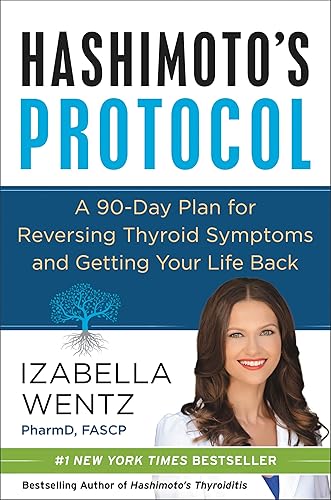
Hashimoto's thyroiditis is the most common cause of hypothyroidism worldwide, affecting approximately 1 in 5 women. The immune system produces antibodies (primarily TPO antibodies) that gradually destroy thyroid cells, reducing hormone output over time. Hashimoto's is distinguished by symptom fluctuation — the gland can release stored hormones during inflammatory episodes, causing temporary hyperthyroid symptoms before the dominant hypothyroid pattern reasserts. Standard TSH testing often misses Hashimoto's until significant gland destruction has already occurred. TPO antibody testing is required.
Graves' disease is the most common cause of hyperthyroidism and is eight times more prevalent in women than men. The immune system produces antibodies (TSI or TRAb) that mimic TSH, causing the thyroid to continuously overproduce T3 and T4. Graves' is unique in its potential to cause thyroid eye disease (proptosis, restricted eye movement, double vision) — a symptom that occurs in no other thyroid condition and is a flag for urgent evaluation.
If you have any eye symptoms — bulging, gritty, restricted movement, or double vision — combined with other hyperthyroid symptoms, seek medical evaluation within days. Thyroid eye disease can progress and cause permanent vision damage without prompt treatment.
Why Thyroid Conditions Are Missed in Women
Three structural problems explain the diagnostic delay. First, the symptom overlap is substantial: fatigue, low mood, weight changes, and brain fog are attributed to depression, perimenopause, stress, or lifestyle before thyroid function is investigated. Women presenting with these symptoms are significantly more likely to receive a psychiatric or lifestyle intervention as the first response than a thyroid panel.
Second, standard clinical protocols frequently rely on TSH alone. This misses subclinical dysfunction (where TSH is borderline but still within range), T3 conversion problems (where TSH and T4 are normal but T3 is low), and Hashimoto's (where TSH fluctuates and can appear normal during remission phases). The full picture requires TSH, Free T4, Free T3, and TPO antibodies at minimum.
Third, thyroid dysfunction is progressive. Hashimoto's, in particular, destroys thyroid tissue gradually over years — meaning women often adapt to a worsening baseline and present to their doctor only when symptoms have become severe enough that they can no longer be dismissed. By that point, significant thyroid damage has already occurred.
The Hormonal Connection
Thyroid function and sex hormones are directly linked. Oestrogen increases levels of thyroxine-binding globulin (TBG), the protein that transports thyroid hormones through the blood. Higher TBG means more T4 is bound and unavailable for conversion to active T3 — effectively reducing the functional thyroid hormone available to cells. This explains why pregnancy (high oestrogen), the luteal phase of the menstrual cycle, and oestrogen-containing contraceptives can all worsen existing hypothyroid symptoms or unmask subclinical dysfunction.
The reverse applies at menopause: declining oestrogen reduces TBG, potentially freeing more thyroid hormone — but also destabilising thyroid output in women with Hashimoto's. Many women first notice thyroid symptoms during perimenopause, both because of this hormonal interaction and because the broader symptom overlap makes both conditions harder to separate. If you scored high on the perimenopause symptom checker, thyroid testing is a sensible parallel step.
What to Do If Your Score Is High
A high thyroid symptom score means your pattern aligns meaningfully with thyroid dysfunction. The next step is blood testing — and the quality of that testing matters.
The minimum useful panel is TSH plus Free T4. However, if your symptoms persist after a normal result, or if you have strong reason to suspect Hashimoto's (family history of autoimmune disease, fluctuating symptoms, other autoimmune conditions), insist on a full panel: TSH, Free T4, Free T3, TPO antibodies, and — if hyperthyroid symptoms are present — TSI or TRAb antibodies. Many GP appointments default to TSH only, and a normal TSH with abnormal T3 or positive TPO antibodies changes the clinical picture substantially.
When you see a clinician, bring: a record of your symptoms and when they started, your score from this checker with the hypo/hyper breakdown, any family history of thyroid or autoimmune disease, and a list of current medications (several affect thyroid function, including lithium, amiodarone, and high-dose biotin). Thyroid conditions are chronic and managed long-term — the goal of a first appointment is accurate diagnosis, not immediate treatment decisions.
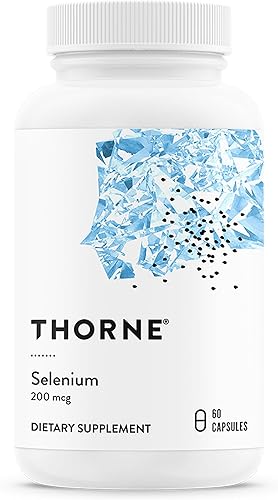
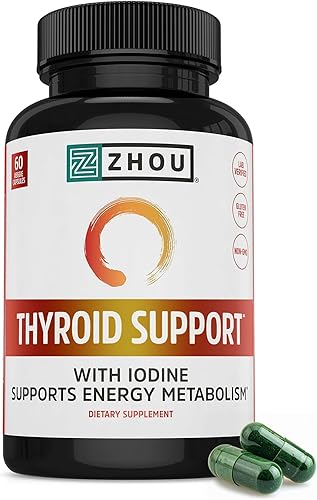
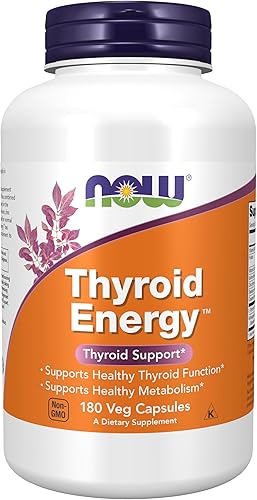
On supplement support: selenium is the most evidence-supported thyroid supplement, required for T4 to T3 conversion and with demonstrated benefit in reducing TPO antibody levels in Hashimoto's. The evidence-backed dose is 200 mcg daily of selenomethionine. Iodine deficiency is the most common cause of goitre worldwide but is less common in iodine-replete countries; supplementing iodine without confirmed deficiency in the context of Hashimoto's may worsen the autoimmune component. Vitamin D deficiency is significantly more prevalent in people with Hashimoto's and Graves' than in the general population — testing and correcting deficiency is a reasonable step before trialling other supplements.
Frequently Asked Questions
How accurate is this thyroid symptom checker?
This checker maps your symptom pattern to hypothyroid, hyperthyroid, Hashimoto's, or Graves' presentations based on clinically documented symptom weights. It is not a diagnostic tool — thyroid conditions can only be confirmed through blood testing. Use the result to know which tests to request and which questions to ask your GP. A result showing strong hypothyroid or hyperthyroid alignment is a meaningful signal that warrants follow-up, not a conclusion.
What are the most common symptoms of hypothyroidism in women?
The most common hypothyroid symptoms in women are: persistent fatigue even after adequate sleep, unexplained weight gain, cold intolerance, brain fog and impaired memory, dry and rough skin, constipation, hair loss and thinning (including outer eyebrow loss), low mood or depression, slow heart rate, muscle weakness and aching, hoarse voice, and heavy or irregular periods. These symptoms develop gradually and are frequently attributed to stress, ageing, or depression before thyroid dysfunction is investigated.
What are the symptoms of hyperthyroidism?
Hyperthyroid symptoms include: heat intolerance and excessive sweating, unexplained weight loss despite normal or increased appetite, heart palpitations, tremors in the hands, anxiety and nervousness, diarrhoea or frequent bowel movements, difficulty sleeping, light or absent periods, and — in Graves' disease specifically — bulging, dry, or gritty eyes and a visible neck swelling. Hyperthyroidism carries higher short-term risks than hypothyroidism; if you have palpitations or eye symptoms, seek evaluation promptly.
What is the difference between Hashimoto's and hypothyroidism?
Hypothyroidism is the condition (an underactive thyroid). Hashimoto's thyroiditis is the most common cause of it — an autoimmune condition in which the immune system gradually destroys thyroid tissue. Hashimoto's affects approximately 1 in 5 women. Its distinguishing features are symptom fluctuation, elevated TPO antibodies on blood testing, and a higher association with other autoimmune conditions. Standard TSH testing often misses Hashimoto's — TPO antibody testing is required for accurate diagnosis.
What blood tests should I ask for if I suspect thyroid problems?
The minimum useful panel is TSH and Free T4. A more complete evaluation adds: Free T3 (the active form — low T3 with normal TSH can indicate a conversion problem), TPO antibodies (elevated in Hashimoto's), TSI or TRAb antibodies (elevated in Graves' disease), and Reverse T3 (elevated in chronic stress and illness). Many GPs default to TSH only. If your TSH is normal but your symptoms persist, request the full panel.
Why are thyroid conditions so commonly missed in women?
Thyroid conditions are missed in women for three main reasons: symptom overlap with depression, anxiety, and perimenopause; reliance on TSH-only testing, which misses subclinical dysfunction and Hashimoto's fluctuations; and gradual symptom onset that leads women to adapt rather than investigate. An estimated 60% of people with thyroid disease are undiagnosed. Women are disproportionately affected and disproportionately delayed in diagnosis.
Can thyroid problems affect your menstrual cycle?
Yes. Thyroid hormones directly regulate the menstrual cycle through interactions with sex hormone-binding globulin, prolactin, and FSH. Hypothyroidism typically causes heavy, prolonged, or more frequent periods. Hyperthyroidism typically causes light, infrequent, or absent periods. Both conditions can impair fertility and increase miscarriage risk. Any significant unexplained change in cycle pattern warrants thyroid testing alongside standard hormonal evaluation.