
1. Berberine (500mg × 3/day) — AMPK activation, corrects estrogen-driven insulin resistance. 2. Myo-inositol (2g × 2/day) — PI3K/AKT insulin sensitisation, strongest evidence in hormonal weight gain. 3. Magnesium glycinate (300–400mg before bed) — cortisol regulation + insulin receptor sensitivity. 4. Omega-3 EPA/DHA (2–4g/day) — reduces visceral adipose inflammation; anti-catabolic. 5. Vitamin D3 + K2 (2,000–4,000 IU D3 + 100mcg K2) — insulin secretion + muscle protein synthesis. 6. Ashwagandha KSM-66 (300–600mg/day) — reduces serum cortisol 17–28%, addresses cortisol-fat axis.
About 70% of women gain meaningful weight during perimenopause. The standard response — eat less, move more — is technically correct advice being applied to the wrong problem. It treats a hormonal metabolic disruption as if it were a simple energy balance failure. That's not incompetent. It's just incomplete.
Perimenopause weight gain isn't driven primarily by caloric excess. It's driven by three overlapping hormonal shifts happening simultaneously, each creating a different metabolic liability. Understanding which shift is doing the most damage in your case determines which supplements are worth taking — and which are decoration wearing a lab coat.
Here are six supplements with credible clinical evidence for the specific mechanisms driving perimenopausal weight gain. Not "may support healthy metabolism." Specific mechanisms. With doses that were actually used in the trials.
This article contains affiliate links. We earn a commission at no extra cost to you if you purchase through our links. Products are selected for clinical relevance — not commission rates.

Why Perimenopause Causes Weight Gain: The 3 Hormonal Drivers
The mainstream explanation — hormones change, metabolism slows — is accurate but doesn't tell you what to do with it. The mechanism is specific enough to be actionable, and knowing which driver dominates for you determines which supplements are worth prioritising.
✓ Original asset: 3-Driver Mechanism Table — maps each supplement to the perimenopausal driver it addresses (not available on competing pages).
| Driver | Mechanism | Fat Pattern | Supplements That Target It | Evidence |
|---|---|---|---|---|
| 1 — Estrogen decline → insulin resistance | Falling estrogen reduces GLUT4 transporter expression; cells absorb glucose less efficiently; excess routes to visceral fat | Central / belly fat accumulation | Berberine, Myo-inositol, Vitamin D3 | Strong |
| 2 — Cortisol dysregulation → fat storage signal | Hot flashes + sleep disruption spike cortisol; liver releases glucose; chronic cortisol drives progressive insulin resistance and leptin resistance | Visceral accumulation + increased appetite | Magnesium glycinate, Ashwagandha KSM-66 | Moderate–Strong |
| 3 — Sarcopenia → metabolic slowdown | Estrogen supports muscle protein synthesis; declining levels accelerate muscle loss (up to 1%/yr without resistance training); lower RMR widens energy gap | Generalised weight gain; "eat the same, gain weight" pattern | Omega-3 EPA/DHA, Vitamin D3 + K2 | Moderate |
Driver 1 is the most acute in early perimenopause, when estrogen fluctuates wildly. The volatility creates unpredictable insulin resistance spikes — worse than the smoother, lower estrogen of post-menopause. Driver 2 is often underestimated: hot flashes are physiological stress events, and each one spikes cortisol. A woman having 10–15 hot flashes per day is running meaningfully elevated stress hormones around the clock. Driver 3 is the one women notice most — the "I eat the same as always" complaint — because the metabolic floor dropped without anyone changing the inputs.
Now let's look at the supplements that address each driver, ranked by strength of evidence.

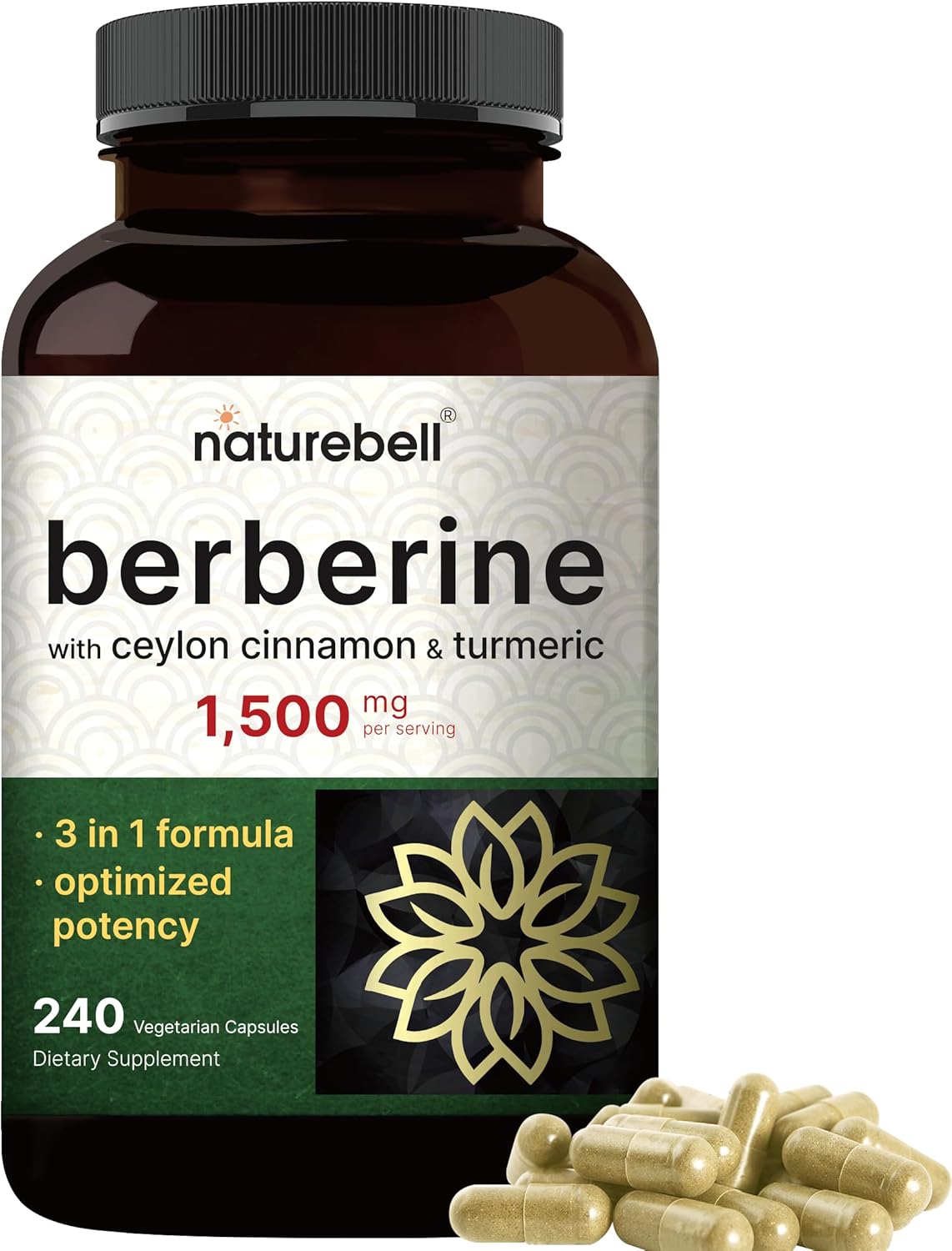
1. Berberine — The AMPK Activator (Driver 1)
Berberine is the strongest evidence-backed supplement for the specific mechanism of perimenopausal insulin resistance. It activates AMPK (AMP-activated protein kinase) — an enzyme that acts as a cellular energy sensor and essentially mimics the metabolic effects of exercise on glucose uptake. When AMPK is activated, cells absorb glucose more efficiently, the liver produces less glucose between meals, and visceral fat accumulation slows.
This matters for perimenopause because Driver 1 is precisely an AMPK deficiency state. Estrogen normally supports GLUT4 transporter expression — the gateway through which muscle cells absorb glucose. As estrogen falls, GLUT4 activity falls with it, glucose lingers in the bloodstream, and the excess is routed to visceral adipose tissue. Berberine restores the insulin signalling pathway that estrogen was maintaining.
The clinical evidence is substantial. A 2012 meta-analysis published in evidence-based medicine databases found berberine performed comparably to metformin for improving insulin sensitivity, lowering fasting blood glucose, and reducing HbA1c — without a prescription. According to Maiuolo et al. (2021), berberine also improves hormonal markers relevant to insulin-resistant women, including reductions in free androgens and inflammatory cytokines. A 12-week trial in people with obesity using 500mg three times daily recorded an average 5.1-pound weight loss alongside a 23% reduction in triglycerides.
Dose: 500mg three times daily with meals. Allow 4–8 weeks for full metabolic effect to become measurable. Do not combine with other blood-glucose-lowering medications (including metformin or GLP-1 agonists) without physician guidance — the combination can cause hypoglycaemia. Gastrointestinal side effects (loose stool, nausea) are common in the first 1–2 weeks; they typically resolve.

2. Myo-inositol — The Insulin Sensitiser Women Keep Overlooking (Driver 1)
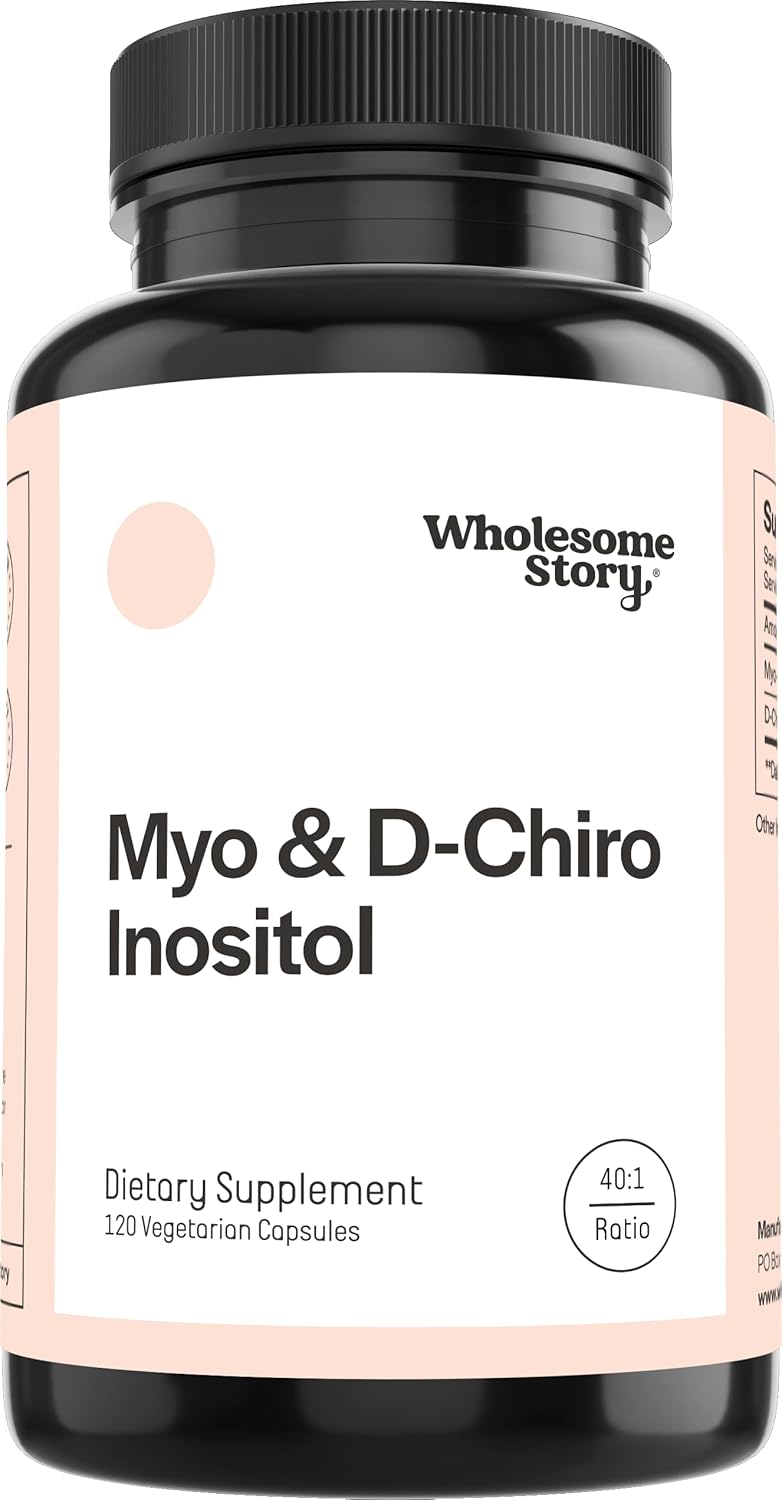
Myo-inositol is less familiar than berberine but has a more targeted mechanism for female hormonal metabolism. It's a naturally occurring sugar alcohol that acts as a second messenger in the insulin signalling cascade — specifically in the PI3K/AKT pathway through which insulin triggers glucose uptake into cells. In short: berberine activates the AMPK pathway at the energy-sensing level; myo-inositol amplifies insulin signal transduction at the receptor level. They work differently, which is why combining them at lower doses of each is a strategy some functional medicine practitioners use.
The evidence base in postmenopausal metabolic syndrome is specifically relevant here. According to Akbari et al. (2024, PMC11521746), myo-inositol supplementation produced significant increases in AMPK, AKT, and PDK-1 gene expression in a clinical trial examining the PI3K/AKT/AMPK signalling pathway in insulin-resistant patients — with a 23% improvement in HOMA-IR (insulin resistance index) compared to placebo after 12 weeks in postmenopausal women with metabolic syndrome.
The PCOS literature provides the deepest evidence base: myo-inositol at 4g/day improves insulin sensitivity, lowers free testosterone, and restores ovulatory function in insulin-resistant women. While perimenopause is a different hormonal state, the insulin-sensitising mechanism is structurally identical — and the degree of hormonal disruption is comparable.
Dose: 2g twice daily (4g/day total). Available as unflavoured powder that dissolves easily in water. Look for formulations using a 40:1 ratio of myo-inositol to D-chiro-inositol — this ratio matches physiological concentrations and shows stronger clinical outcomes than myo-inositol alone. Most effective taken 20–30 minutes before the two largest meals of the day.

3. Magnesium Glycinate — Cortisol's Quiet Counterweight (Driver 2)
Around 68% of American women don't meet daily magnesium requirements through diet. That's the kind of statistic that gets quoted and then ignored. Here's why it matters in perimenopause specifically: magnesium is the cofactor that calibrates your HPA axis — the system that produces cortisol in response to any stressor, including a hot flash.
When magnesium is depleted, the HPA axis becomes hyperreactive. Every stressor — real or hormonal — produces a larger cortisol spike than it should. For a perimenopausal woman having 10 hot flashes a day on a depleted magnesium baseline, that's 10 exaggerated cortisol spikes routing excess glucose into visceral fat storage. Replete magnesium recalibrates the threshold: the spike still happens, but it's proportionate rather than amplified.
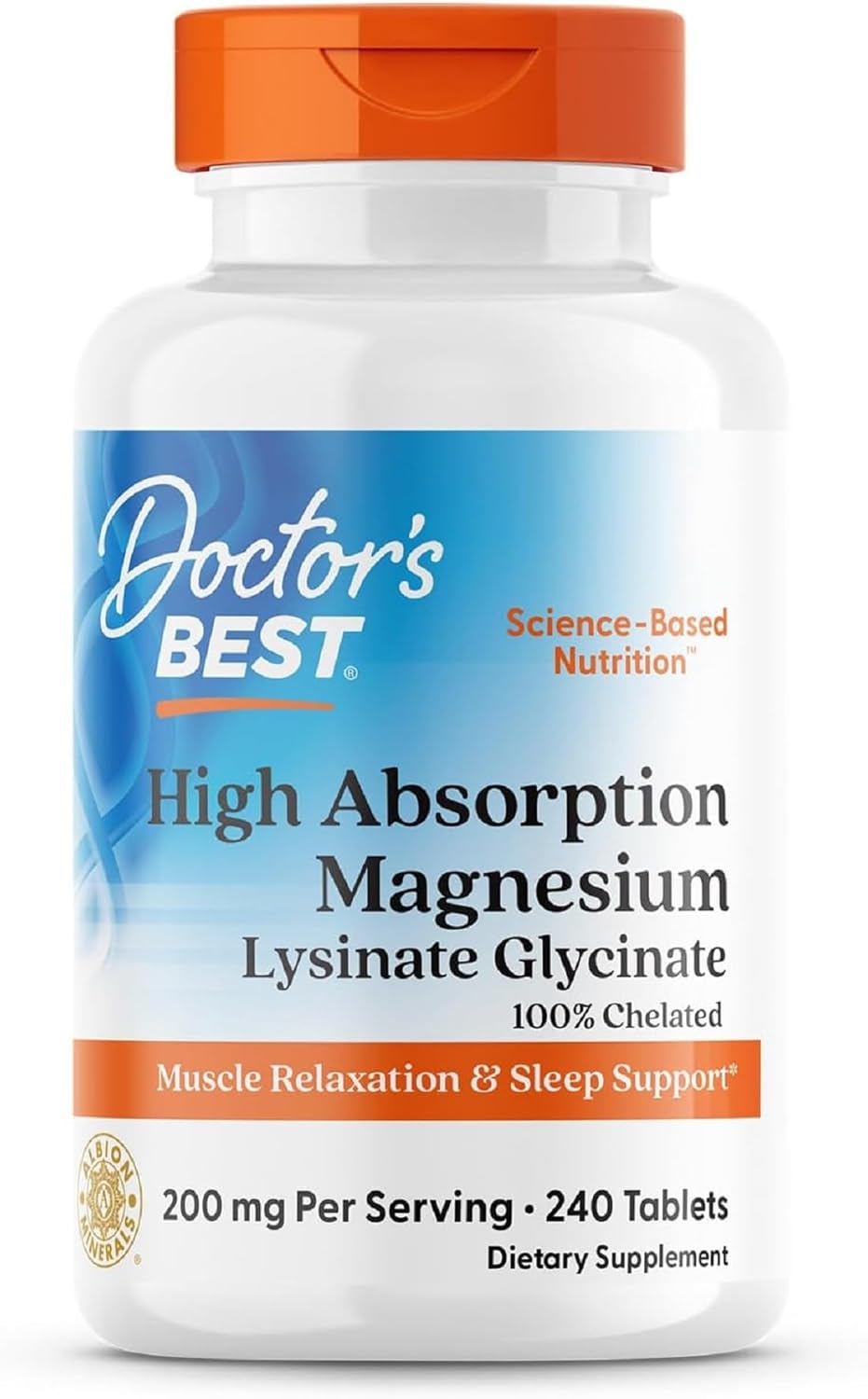
Magnesium also improves insulin receptor sensitivity independently — a different entry point from berberine and myo-inositol, which is why it works synergistically with Driver 1 supplements rather than duplicating them. And at the 300–400mg dose taken before bed, it measurably improves sleep architecture, which has downstream effects on the leptin-ghrelin balance governing appetite. Poor sleep is one of the fastest ways to build ghrelin (hunger hormone) while suppressing leptin (satiety signal). Magnesium addresses this indirectly but consistently.
For a deeper look at which form is right for you — and why oxide and carbonate fall so short — see our comparison of magnesium glycinate vs citrate. The short version: glycinate is the form for perimenopause. Citrate works for constipation. Oxide is mostly industrial filler.
Dose: 300–400mg elemental magnesium as glycinate, taken 30–60 minutes before bed. Effects on sleep quality can appear within 2–3 weeks; cortisol-modulating and metabolic effects take 4–6 weeks of consistent use. Do not take alongside antibiotics or certain medications — magnesium can impair their absorption.

4 & 5. Omega-3 and Vitamin D3 — The Deficiency Pair (Drivers 1 + 3)
These two belong together because both are widely deficient in perimenopausal women, and both affect the same downstream targets: systemic inflammation and muscle metabolism. Neither is glamorous. But Vitamin D deficiency affects roughly 42% of American adults and is even more prevalent in perimenopausal women — often undetected — and the clinical consequences are directly metabolic.
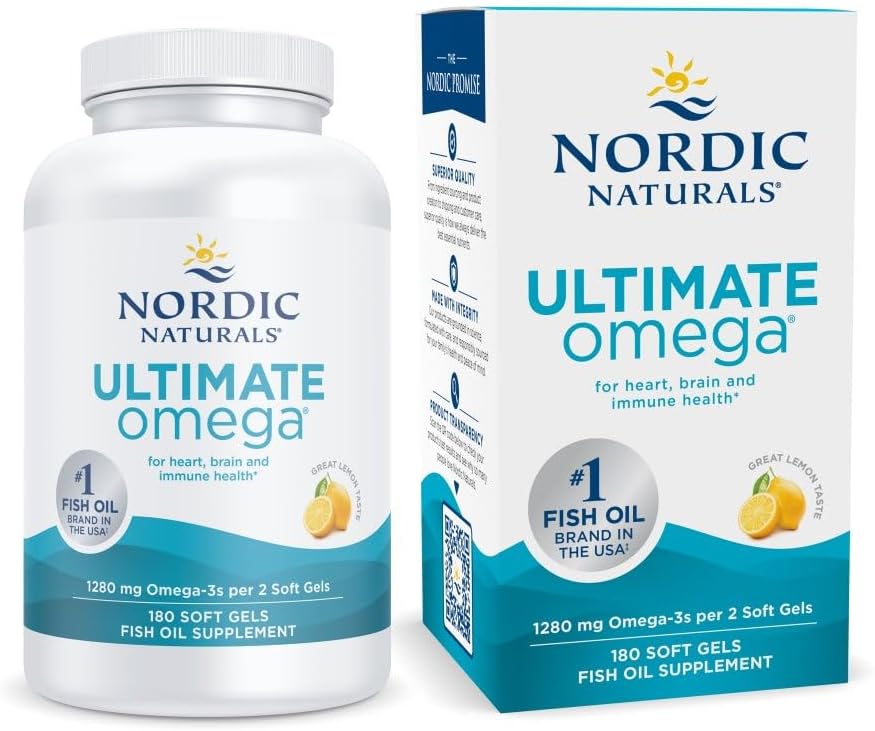
Omega-3 EPA/DHA: Visceral fat tissue isn't passive in perimenopause — it's an active inflammatory organ. As it accumulates, it secretes adipokines including TNF-α and IL-6 that worsen insulin resistance and accelerate further fat deposition. It's a self-reinforcing cycle. EPA and DHA (the active omega-3 forms from fish oil) suppress this cycle at the upstream level by shifting prostaglandin synthesis away from pro-inflammatory pathways. A meta-analysis of RCTs found omega-3 supplementation significantly reduced fasting insulin and improved insulin sensitivity in overweight subjects. EPA and DHA are also anti-catabolic — they reduce muscle protein breakdown, directly countering Driver 3 by slowing the sarcopenia that reduces metabolic rate.
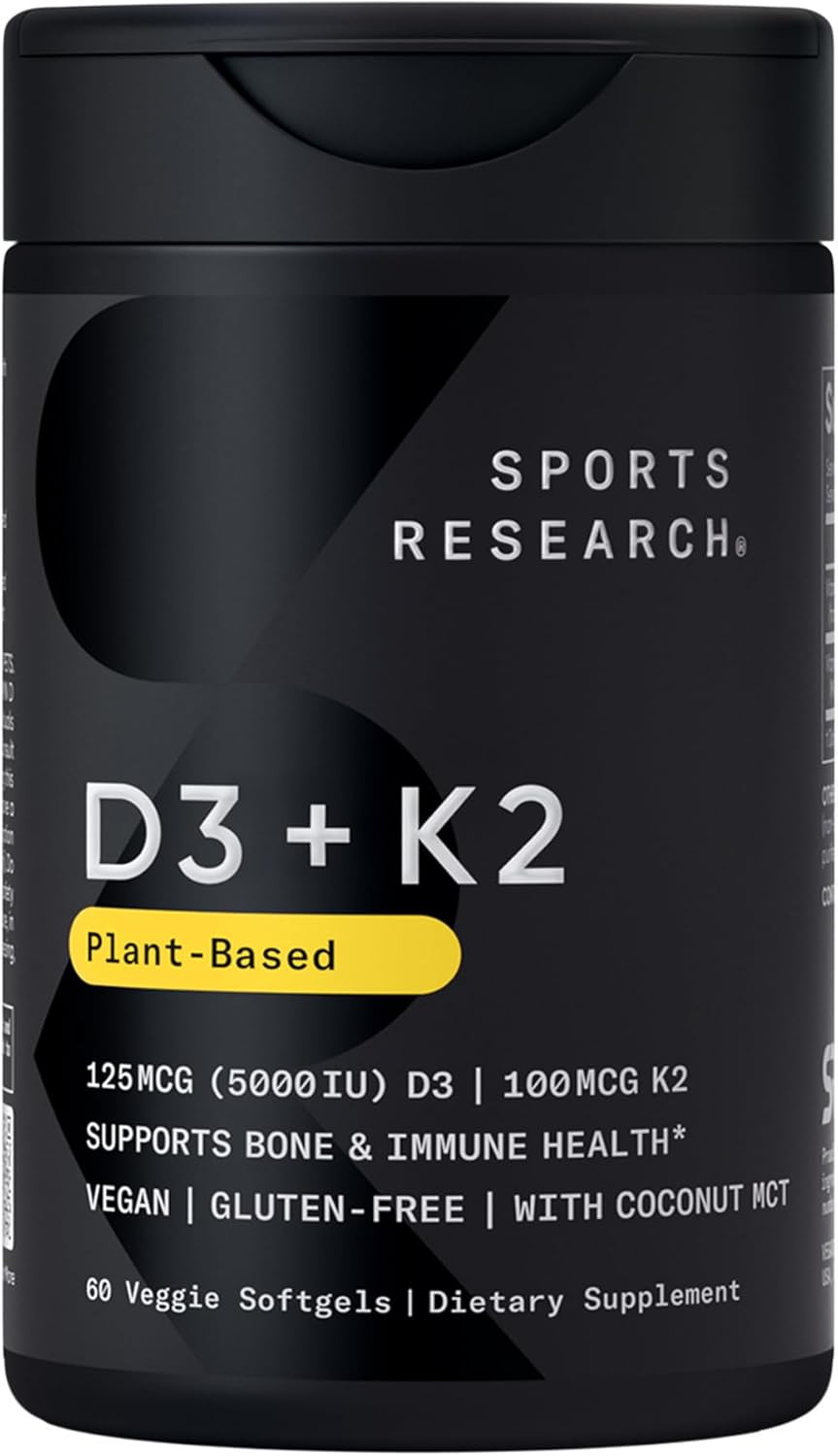
Vitamin D3 + K2: Vitamin D3 acts through nuclear receptors in pancreatic beta cells to support insulin secretion — the hormone you release to manage glucose. Deficient women have significantly higher rates of abdominal obesity compared to replete controls in observational studies. D3 also regulates muscle protein synthesis via VDR (vitamin D receptor) expression in skeletal muscle — making it relevant to both Driver 1 and Driver 3. According to Mancini et al. (2023, GREM Journal), metabolic syndrome prevalence rises sharply after menopause — and Vitamin D status is among the modifiable factors most consistently associated with the transition's metabolic outcomes. Pair D3 with K2 (MK-7 form, 100mcg) to ensure calcium is directed into bone rather than arterial tissue.
Doses: Omega-3: 2–4g EPA+DHA combined daily from a concentrated triglyceride-form fish oil (better absorbed than ethyl ester forms). Vitamin D3: 2,000–4,000 IU daily. Get your 25(OH)D serum level tested — target 40–60 ng/mL. Take D3+K2 with your fattiest meal of the day for optimal absorption.

6. Ashwagandha (KSM-66) — When Stress Is the Fat Gain Driver (Driver 2)
If Driver 2 is your dominant issue — high-stress life, frequent hot flashes, chronically disrupted sleep, anxiety that arrived with perimenopause — ashwagandha is the most targeted intervention in this list for that specific driver.
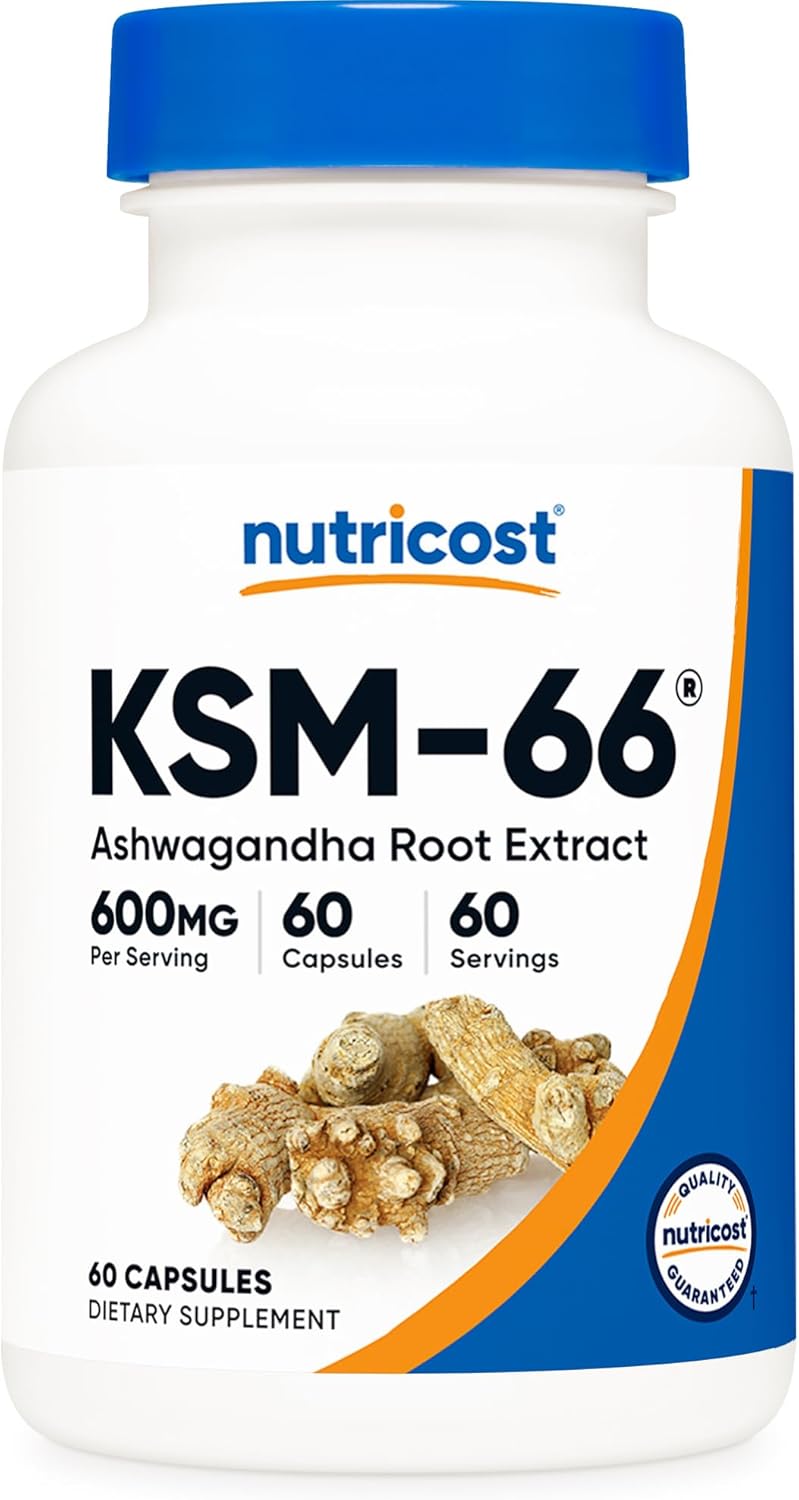
Ashwagandha (Withania somnifera) is the most studied adaptogen for cortisol reduction. Not all ashwagandha extracts are equal: KSM-66 is the specific standardised root extract with the strongest randomised controlled trial evidence. Multiple KSM-66 trials have found cortisol reductions of 17–28% compared to placebo at 60 days — a clinically meaningful drop that directly reduces the cortisol-to-fat-storage signal that hot flashes are sustaining around the clock.
Beyond cortisol, KSM-66 has demonstrated thyroid-stimulating effects in subclinically hypothyroid subjects — relevant because thyroid function often declines alongside estrogen in perimenopause, compounding the metabolic slowdown from Driver 3. It also improves sleep quality and reduces perceived stress, which has secondary benefits on the leptin-ghrelin balance that governs appetite. Think of magnesium glycinate and ashwagandha as operating at different levels of the same cortisol system — magnesium recalibrates the threshold; ashwagandha reduces the upstream production.
Dose: 300–600mg of KSM-66 ashwagandha extract daily. Many 8-week trials split the dose: 300mg morning, 300mg evening. Results for cortisol and sleep are typically measurable by week 6–8. If you're on thyroid medication, consult your physician before adding ashwagandha — the thyroid-stimulating effect can interact with T4 dosing.
Frequently Asked Questions
Yes — berberine has credible clinical evidence for the specific mechanism driving perimenopausal weight gain. It activates AMPK, restoring insulin sensitivity in cells that have become less responsive due to falling estrogen. A 2012 meta-analysis found berberine performed comparably to metformin for improving fasting blood glucose, HbA1c, and insulin sensitivity. At 500mg three times daily, a 12-week trial recorded an average 5-pound weight loss alongside significant reductions in triglycerides. The caveat: berberine addresses Driver 1 (insulin resistance) but not Driver 2 (cortisol) or Driver 3 (muscle loss). It works best as part of a multi-supplement approach.
Perimenopause belly fat is primarily visceral adipose tissue driven by insulin resistance and cortisol dysregulation — not subcutaneous fat driven by simple caloric excess. The supplements with the strongest evidence for visceral fat reduction are berberine (AMPK activation), myo-inositol (PI3K/AKT insulin sensitisation), and omega-3 EPA/DHA (anti-inflammatory suppression of adipokines). Magnesium glycinate and ashwagandha help by reducing cortisol-driven glucose surges that route energy into visceral storage. None of these work in isolation — diet quality, resistance training, and sleep remain the structural interventions. Supplements address the hormonal amplifiers. To understand your hormonal profile, the perimenopause symptom checker can help clarify which drivers are most active for you.
Vitamin D3 is the most evidence-supported vitamin for perimenopausal metabolic health. Deficiency — which affects around 42% of American adults and is especially prevalent in perimenopausal women — correlates with higher rates of abdominal obesity and impaired insulin secretion from pancreatic beta cells. Vitamin D3 also supports muscle protein synthesis, directly countering the sarcopenia-driven metabolic slowdown that accelerates in perimenopause. Pair it with K2 (MK-7 form) at 100mcg to direct calcium appropriately into bone rather than arterial tissue. Target 2,000–4,000 IU daily, test your 25(OH)D serum levels, and aim for 40–60 ng/mL.
Magnesium doesn't burn fat directly, but it addresses two mechanisms that are actively causing fat gain in perimenopause. First, it modulates HPA axis reactivity — the cortisol production pathway. When magnesium is depleted, the HPA axis overreacts, producing amplified cortisol spikes from hot flashes and stressors that route more glucose into visceral fat storage. Second, magnesium improves insulin receptor sensitivity independently of AMPK — a different entry point than berberine. Magnesium glycinate at 300–400mg before bed also improves sleep quality, which normalises the leptin-ghrelin balance governing appetite. Around 68% of women don't meet daily requirements — so this is a high-yield, low-risk starting point.
The distinction matters more than most supplement labels acknowledge. In perimenopause, estrogen fluctuates wildly rather than declining steadily — it spikes, crashes, and cycles unpredictably for years. This volatility creates more pronounced and variable insulin resistance spikes than the smoother estrogen decline of post-menopause. Supplements targeting Driver 1 (berberine, myo-inositol) are particularly relevant in perimenopause because the resistance is more acute and cyclical. In post-menopause, estrogen stabilises at a consistently low level and Driver 3 (muscle loss and metabolic slowdown) becomes relatively more important. The 6 supplements in this article address both stages — but berberine and myo-inositol are especially well-suited to the perimenopausal insulin resistance pattern.
They address hormonal amplifiers — they don't override diet quality. If your diet generates chronic glucose surges (refined carbohydrates, ultra-processed foods, liquid sugar), no amount of berberine or myo-inositol will fully correct the downstream insulin resistance. The Poisoned Lake principle applies: you can't add a remedy fast enough to cancel a continuing harm. What supplements can do is meaningfully reduce hormonal sensitivity to dietary inputs, make the body more responsive to the diet and exercise you're already doing, and target mechanisms diet alone doesn't address — particularly the cortisol-fat axis and the estrogen-insulin link. They work as targeted support alongside dietary improvement, not instead of it. For women exploring medical options, our guide on GLP-1 for PCOS and hormonal weight gain covers the prescription end of this question.